
Wood vinegar and biochar for agriculture
Pyroligneous acid (wood vinegar) and biochar are eco-friendly solutions that directly influence plant nutrition while complementing existing fertilisation systems. Products, application rates and evidence for plant growth, stress tolerance, soil pH and water and nutrient retention.

Natural power sources for soil and plants.
Increasing agricultural productivity while preserving soil health has become more critical than ever. Two nature-derived allies stand out: wood vinegar, the liquid obtained by pyrolysing woody biomass in an oxygen-free environment, and biochar, a porous, carbon-rich material.
Germination and root growth
Used at appropriate doses, wood vinegar accelerates seed germination, supports root development and stimulates stem and leaf growth by influencing plant hormone balance. These effects have been observed in field crops as well as in vegetables, fruits and ornamental plants.
Stress tolerance
Wood vinegar increases plant tolerance to environmental stress such as drought, salinity and high temperature, and raises tolerance to sodium (Na). By balancing soil microflora, it enhances the growth of beneficial microorganisms.
Plant nutrition
Wood vinegar enhances nutrient solubility in the root zone and facilitates nutrient uptake. Applied as a foliar spray, it increases photosynthetic capacity and cell vitality.
Water and nutrient retention
Biochar retains water and nutrients and releases them gradually as plants need them. It reduces the loss of macroelements such as nitrogen and phosphorus and improves soil structure by increasing air and water permeability.
Soil pH
Biochar regulates pH balance in the root zone, and the pyroligneous-acid-based pH Regulator is used for water and soil. We supplied pyroligneous acid free of charge to regulate soil pH for plants grown in municipal greenhouses.
Together with fertilisers
Wood vinegar and biochar are effective on their own; combined with chemical fertilisers, organic liquid nutrients or compost, they can increase the effectiveness of these products up to twofold. Higher yields can be achieved with less fertiliser, and nutrient losses and leaching are reduced.
Product, dose and proof for your problem.
Weak root and plant growth
Product
- Application dose
- Foliar: 1:300 (≈ 0.33%), every 15–20 days · Soil: 1:500 (≈ 0.2%), via drip irrigation
- Effect
- Stimulates root development in seedlings, facilitates nutrient uptake in soil (especially nitrogen and phosphorus) and enhances fruit set
Water stress / Drought
Product
- Application dose
- Field crops: 100–200 kg/da before sowing · Greenhouse: 0.5–1 kg/m² · 1–5 kg per tree
- Effect
- Increases the soil’s water retention capacity and aeration; saves 20–40% of water when combined with drip irrigation
High soil and water pH
Product
- Application dose
- Soil: 1:200 (≈ 0.5%), every 15–20 days · Foliar: 1:500 (≈ 0.2%), every 20–30 days · Hydroponics: 1:1000 (≈ 0.1%)
- Effect
- Lowers the pH of soil and water, improving nutrient availability for plants
Grafting and pruning wounds
Product
- Application dose
- Undiluted, thin layer · with a brush or spatula · while the plant is dormant or in early spring, usually a single application
- Effect
- Insulates the wound surface from air and moisture and reduces water loss; improves graft take and speeds recovery after pruning
- Official proof
- TGSKMAE wood tar analysis (24-OG-00140) · TSE K 683

Products for agriculture
For plant growth, plant nutrition, pH regulation, soil improvement, and grafting and pruning.
 Agriculture and soil
Biochar
Soil amendment, carbon feed additive and seeded carbon cube.
 Agriculture and soil
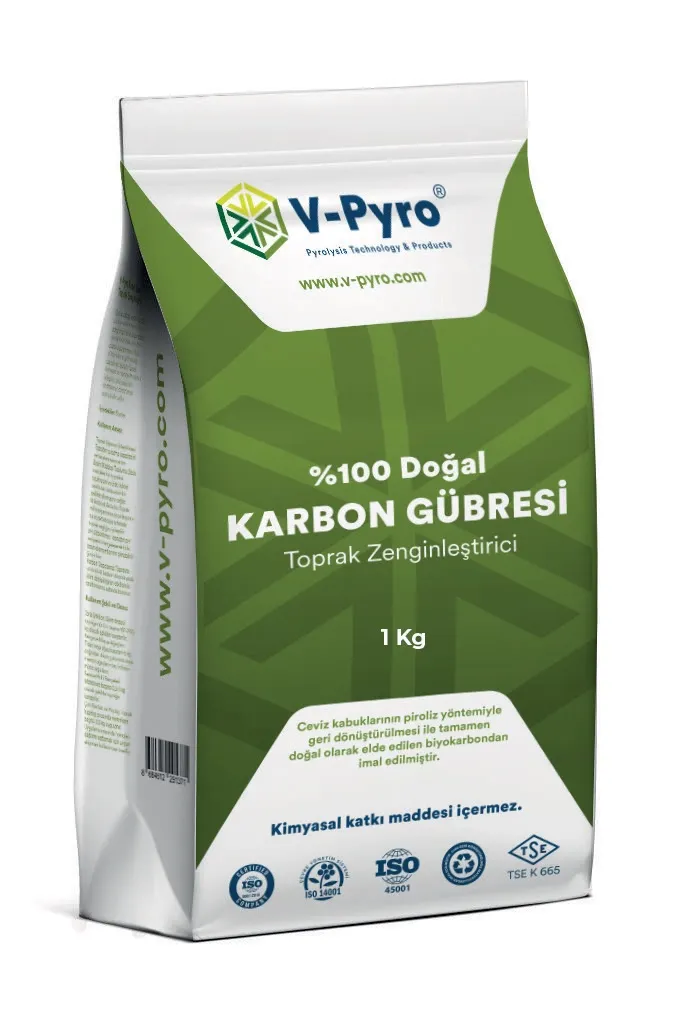
Carbon Fertilizer
Biochar soil enhancer for fields, gardens, greenhouses and landscaping.
 Agriculture and soil
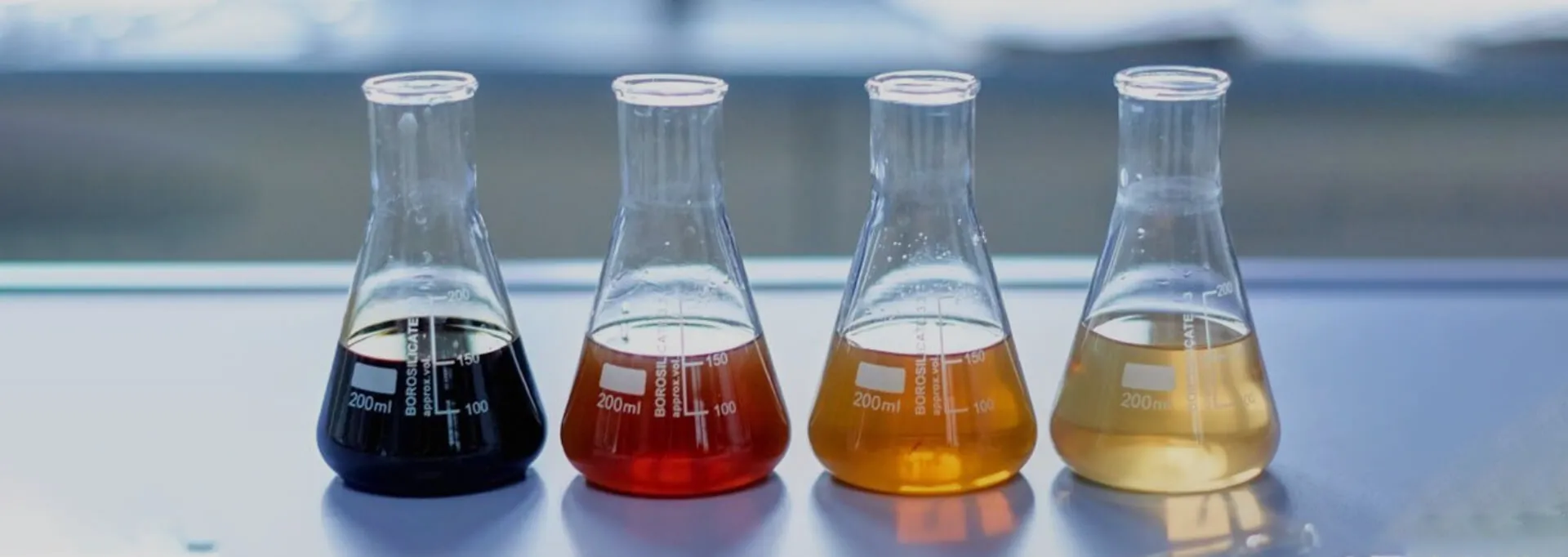
Pyroligneous Acid
Wood-vinegar based products for plant growth, nutrition, pH regulation, feed and hygiene.
 Agriculture and soil
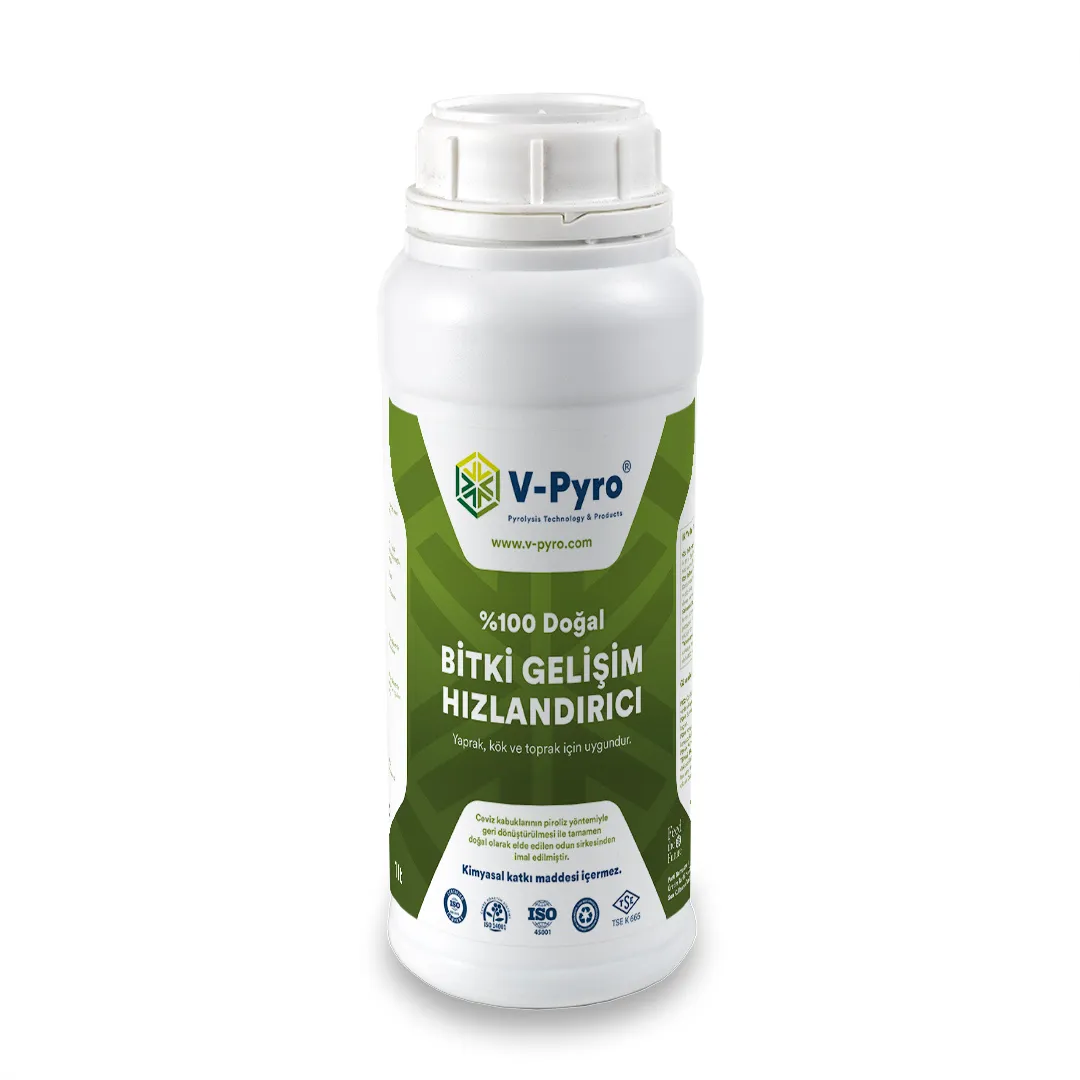
Plant Growth Regulator
Wood vinegar for root, leaf and fruit development, applied to leaves and soil.
 Agriculture and soil
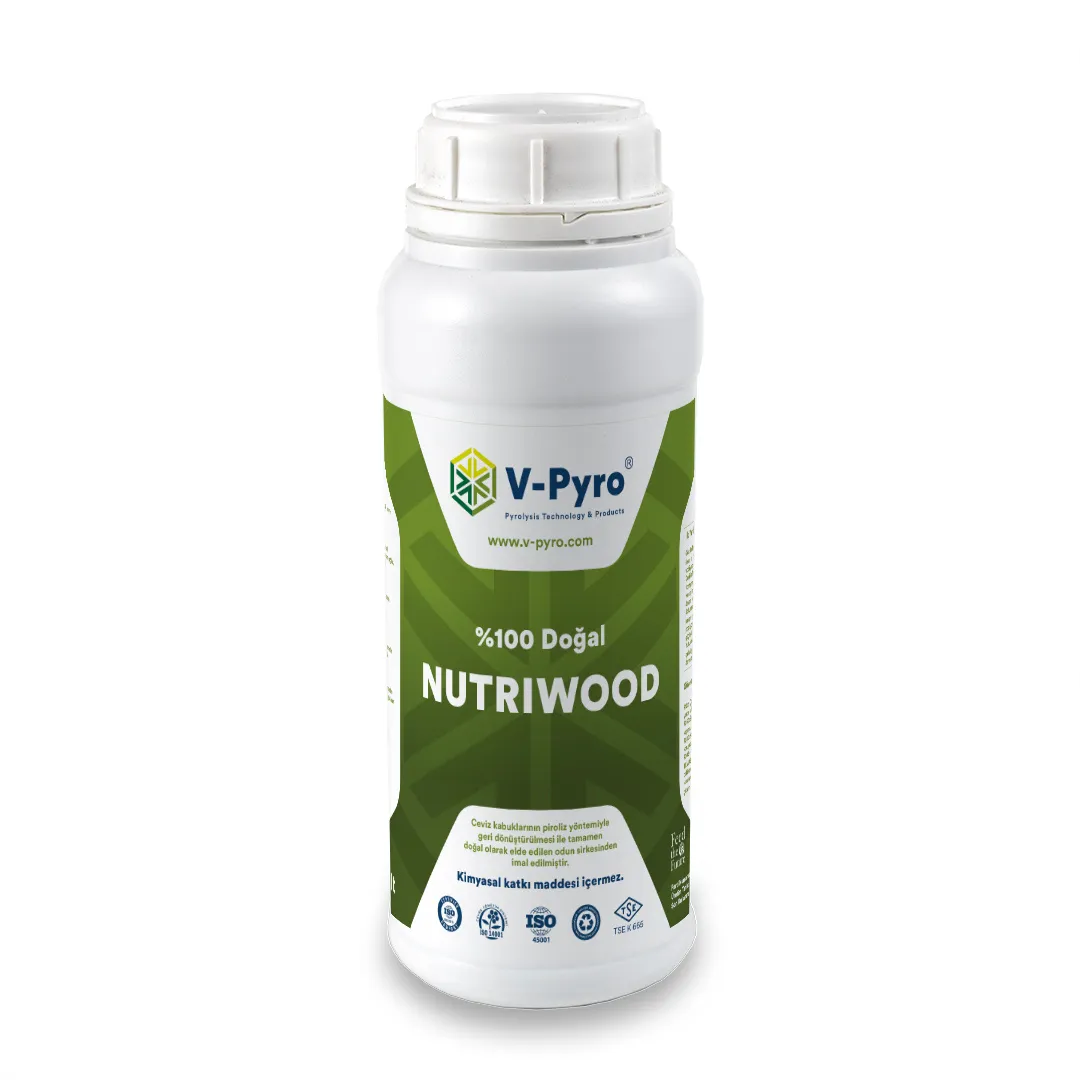
NUTRIWOOD
Wood-vinegar plant nutrition additive for organomineral fertiliser systems.
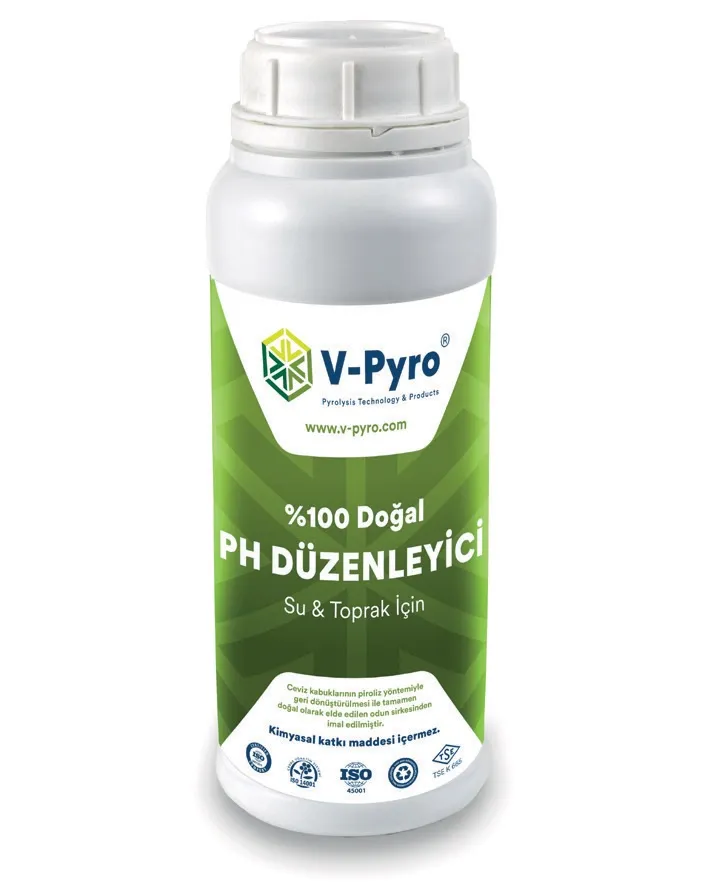 Agriculture and soil
pH Regulator
Natural wood-vinegar pH regulator for soil, foliar and hydroponic use.
 Industry
Wood Tar
Natural tar products for wood, metal and hull protection, graft and pruning wounds, and animal skin care.
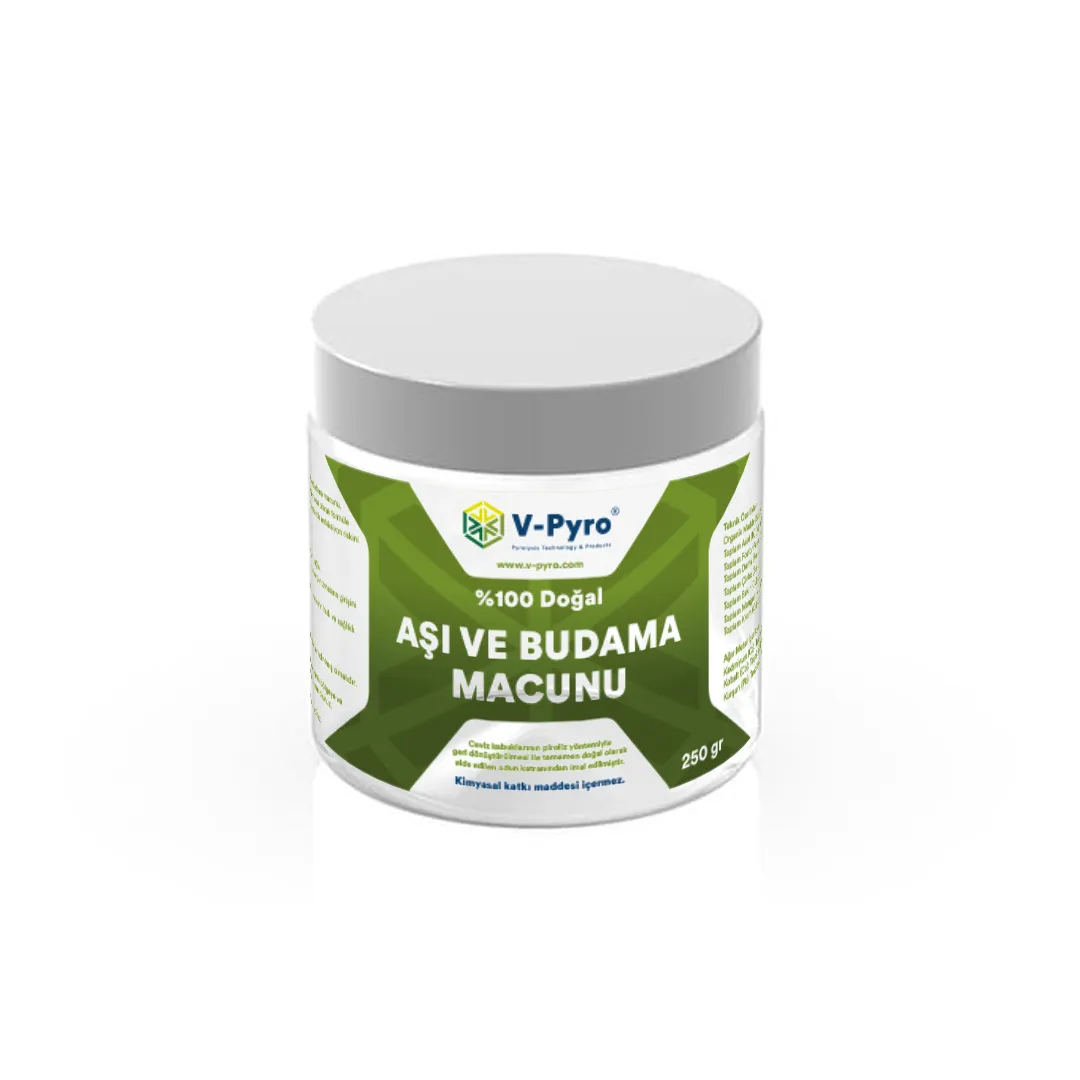 Agriculture and soil
Grafting / Pruning Paste
Natural wood-tar paste that seals graft sites and pruning cuts.
Application rates by crop group.
Wood vinegar is typically diluted 1:200 to 1:500 for foliar spraying, and up to 1:1000 for soil applications depending on the condition and crop. Low doses stimulate growth, while high doses may have a suppressive effect, so controlled application is strongly recommended. These tables do not replace the product label or an agronomist's advice: test plant compatibility on a small plot first.
Pyroligneous acid (wood vinegar)
| Crop group | Ratio | Frequency |
|---|---|---|
| Tomato, pepper, cucumber, squash, aubergine, etc. | 1:300 (≈ 0.33%) | Every two weeks |
| Herbs, mint, parsley, spinach, lettuce, etc. | 1:300 (≈ 0.33%) | Every three weeks |
| Maize, sugar cane, soybean, rice, wheat, beet, etc. | 1:300 (≈ 0.33%) | Every three weeks |
| Fruit trees | 1:300 (≈ 0.33%) | Every two weeks |
| Flowers, ornamental plants, etc. | 1:500 (≈ 0.2%) | Every two weeks |
Application and rate by product.
| Product | Application | Rate | Frequency | Source |
|---|---|---|---|---|
| Carbon Fertilizer | Field cropsMixed into the soil before sowingSoil improvement | 100 – 200 kg/da | — | Manufacturer's recommendation |
| Gardens and fruit treesPer seedling or tree · into the planting hole or under the canopy of existing treesSoil improvement | 1 – 5 kg / tree | — | Manufacturer's recommendation | |
| Greenhouses and home gardensMixed into the soilSoil improvement | 0.5 – 1 kg/m² | — | Manufacturer's recommendation | |
| Lawns and landscapingApplied during soil preparationSoil improvement | 0.5 kg/m² | — | Manufacturer's recommendation | |
| Plant Growth Regulator | Foliar application1 L product + 300 L water · sprayed in the cool hours of morning or eveningGrowth | 1:300 | Every 15–20 days | Manufacturer's recommendation |
| Soil applicationVia drip irrigation · particularly effective at seedling planting and before floweringGrowth | 1:500 | — | Manufacturer's recommendation | |
| NUTRIWOOD | Foliar applicationDiluted with water and sprayedNutrition | 1:200 – 1:300 | Every 15–20 days | Manufacturer's recommendation |
| Soil applicationAdded to the irrigation systemNutrition | 1:100 – 1:200 | Every 15–20 days | Manufacturer's recommendation | |
| Fertiliser additiveMixed into compost or fertiliserNutrition | 1 – 2% | — | Manufacturer's recommendation | |
| pH Regulator | Soil applicationApplied to soil before planting or during growth stagespH control | 1:200 | Every 15–20 days | Manufacturer's recommendation |
| Foliar applicationSprayed onto plant leavespH control | 1:500 | Every 20–30 days as needed | Manufacturer's recommendation | |
| Water culture and hydroponicsAdded to the nutrient solution; pH levels should be monitoredpH control | 1:1000 | — | Manufacturer's recommendation | |
| Grafting / Pruning Paste | Grafting siteImmediately after graftingProtection | Neat · thin layer | Usually a single application | Manufacturer's recommendation |
| Pruning cutAfter pruning, by brush or spatulaProtection | Neat | Usually a single application | Manufacturer's recommendation |
These rates are general recommendations and do not replace a registered label or an agronomist's prescription. Details are on each product page's Dose–Effect tab.
Wood vinegar in agriculture.
Academic studies conducted in Japan, South Korea, China and, more recently, Türkiye have shown that wood vinegar increases leaf area, improves photosynthetic capacity and facilitates nutrient uptake through the roots. In the greenhouse trial by Namlı et al. (2014), wheat reached its highest fresh and dry weight when wood-vinegar-coated seed was combined with foliar application; in the laboratory trial, doses of 1% and above completely stopped the growth of Cercospora beticola, the cause of sugar beet leaf spot.
Conformity certificate, analysis reports and safety data sheets.
Certificate
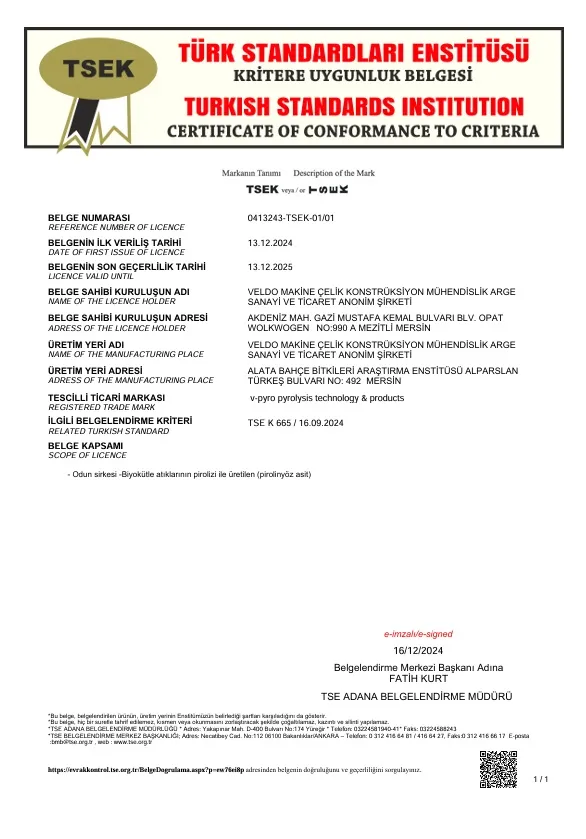 Enlarge document: TSE Certificate of Conformance to Criteria no. 0413243-TSEK-01/01 for wood vinegar (pyroligneous acid), TSE K 665 (opens in a new tab)
Certificate of Conformance to Criteria (TSEK): wood vinegar, TSE K 665
Criterion: TSE K 665 / 16.09.2024. Scope: wood vinegar (pyroligneous acid) produced by the pyrolysis of biomass waste. Mark: v-pyro pyrolysis technology & products.
Analysis report
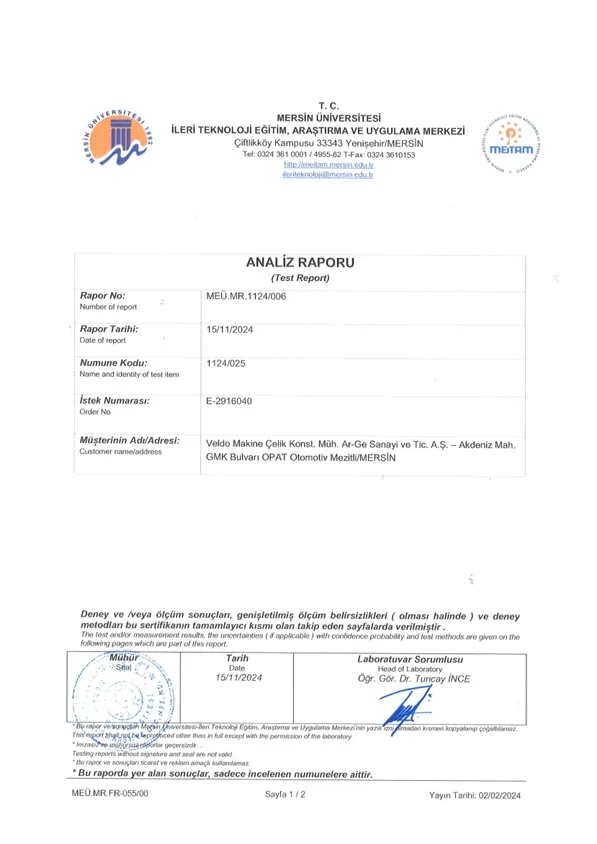 Enlarge document: MEİTAM analysis report MEÜ.MR.1124/006 for wood vinegar, first page (opens in a new tab)
Analysis Report: wood vinegar, TSE K 665 criteria
pH, refractive index, density, dissolved tar, acetic acid and heavy metals (Pb, As, Cd, Hg) against the TSE K 665 criteria. This is the report behind the TSEK certificate (0413243-TSEK-01/01).
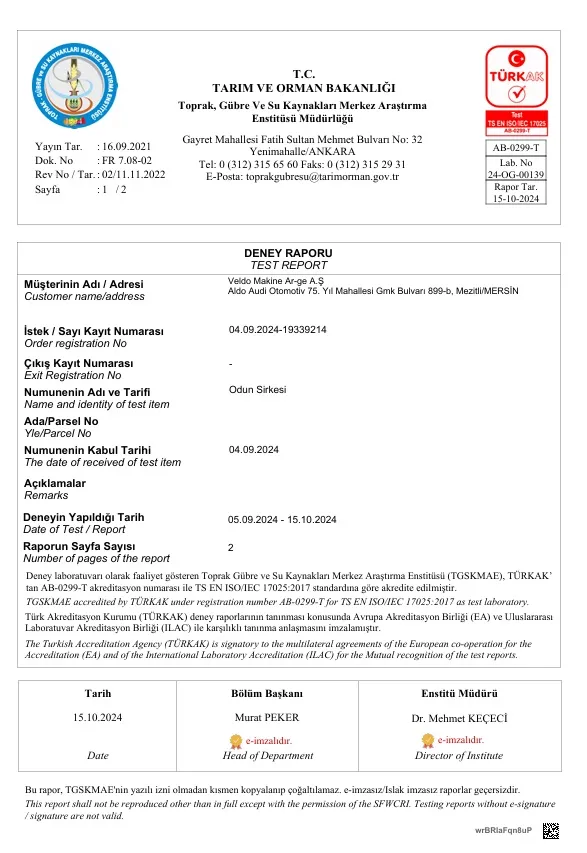 Enlarge document: TGSKMAE test report, laboratory no. 24-OG-00139, sample wood vinegar, cover page (opens in a new tab)
Test Report: wood vinegar
Plant and Organic Fertilizer Laboratory analyses; organic matter, organic carbon, pH, EC, humic + fulvic acid, nutrients and heavy metals.
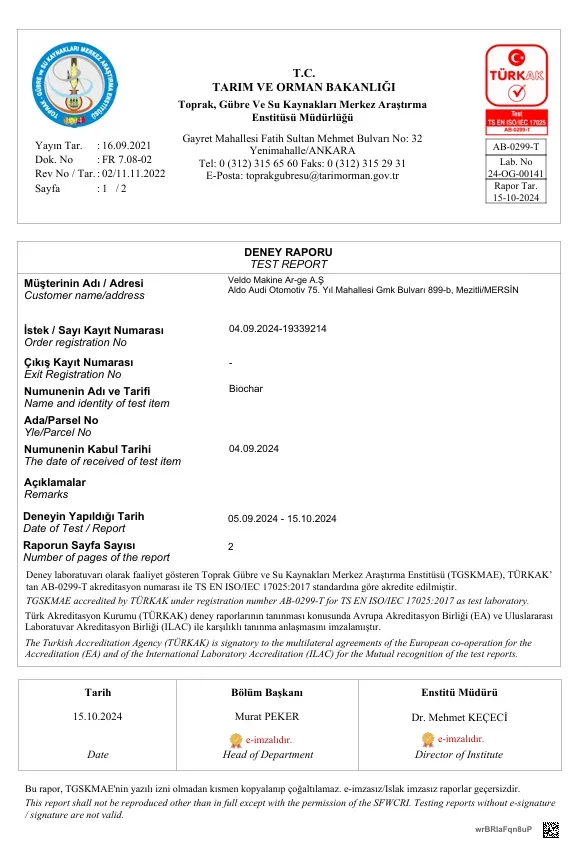 Enlarge document: TGSKMAE test report, laboratory no. 24-OG-00141, sample biochar, cover page (opens in a new tab)
Test Report: biochar
Plant and Organic Fertilizer Laboratory analyses; moisture, organic matter, pH, phosphorus, potassium, nitrogen and heavy metals.
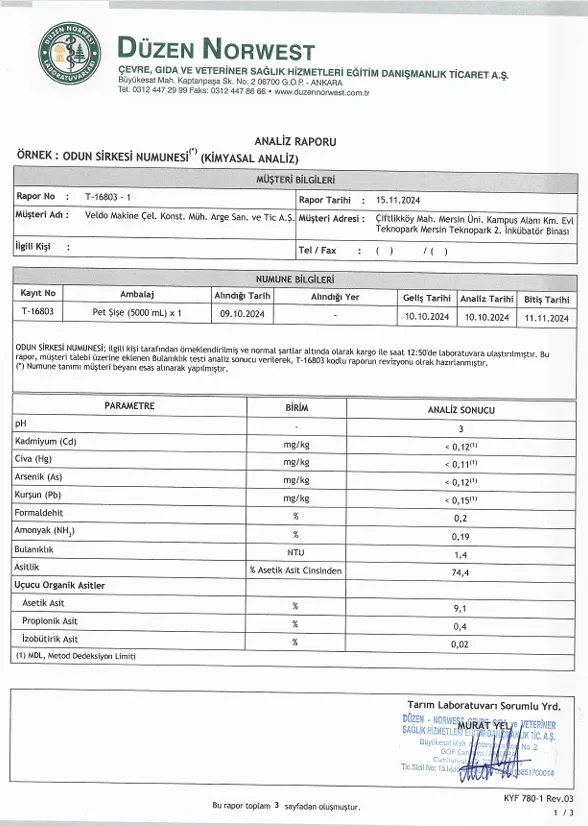 Enlarge document: Düzen Norwest analysis report T-16803-1 for a wood vinegar sample, first page (opens in a new tab)
Analysis Report: wood vinegar sample (chemical analysis)
pH, heavy metals (Cd, Hg, As, Pb), formaldehyde, ammonia, turbidity, acidity and organic acids (acetic, propionic and isobutyric acid).
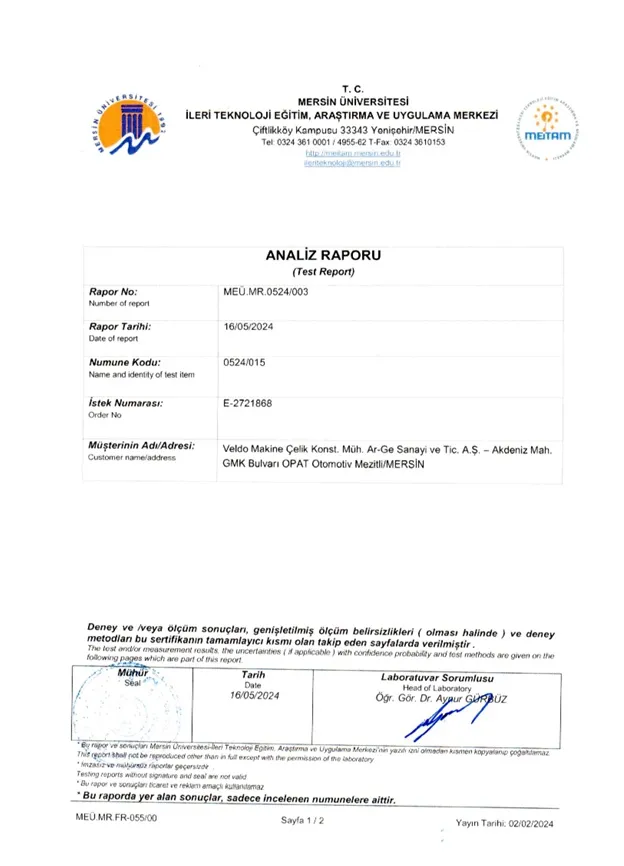 Enlarge document: MEİTAM analysis report MEÜ.MR.0524/003, MIC test of wood vinegar, first page (opens in a new tab)
Analysis Report: minimum inhibitory concentration (MIC) of wood vinegar
MIC values of two wood vinegar samples coded “NAR” and “ZEYTİN” against Staphylococcus aureus, Escherichia coli and Candida albicans, C. glabrata, C. tropicalis and C. parapsilosis (controls: ampicillin, fluconazole).
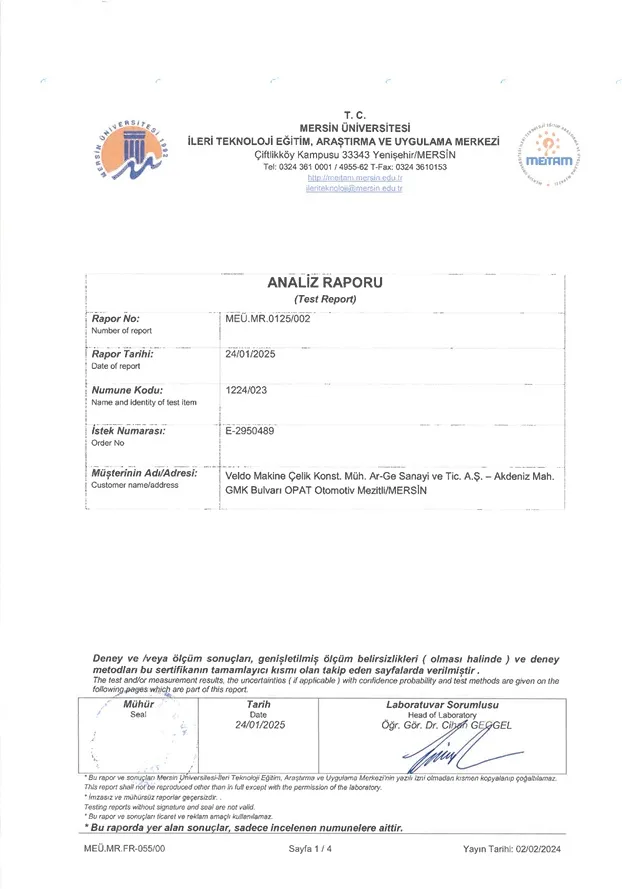 Enlarge document: MEİTAM analysis report MEÜ.MR.0125/002, cytotoxicity test of wood vinegar, first page (opens in a new tab)
Analysis Report: cytotoxicity of wood vinegar (human dermal fibroblast cells)
Cytotoxicity of three wood vinegar samples made from pomegranate peel, measured with the xCELLigence and MTT methods at dilutions from 1/2 to 1/500 after 24, 48 and 72 hours.
Safety data sheet (SDS)
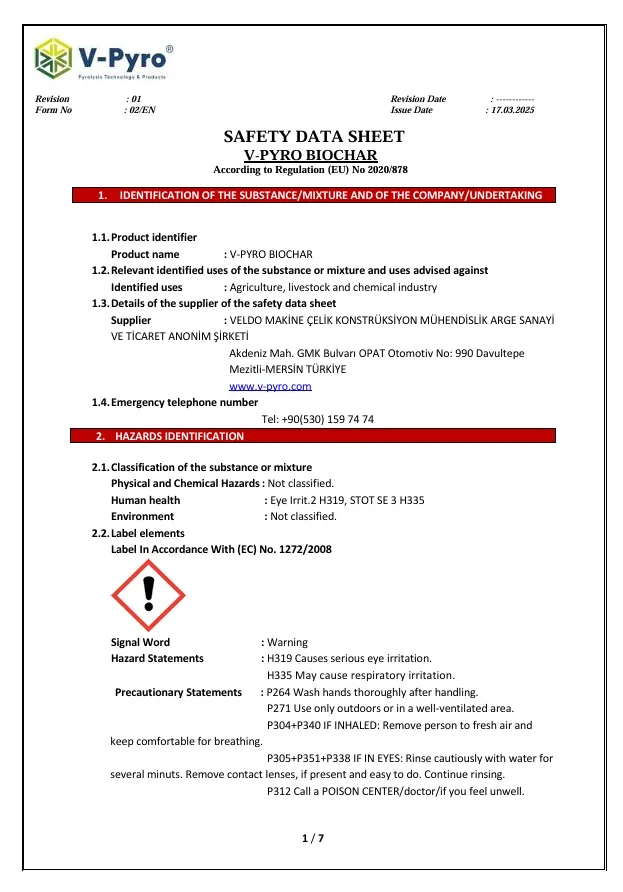 Enlarge document: V-Pyro Biochar safety data sheet, form no. 02/EN, first page (opens in a new tab)
Safety Data Sheet (SDS): V-Pyro Biochar
Prepared according to Regulation (EU) 2020/878 (English). Classification: Eye Irrit. 2 (H319), STOT SE 3 (H335); pictogram GHS07; signal word: Warning.
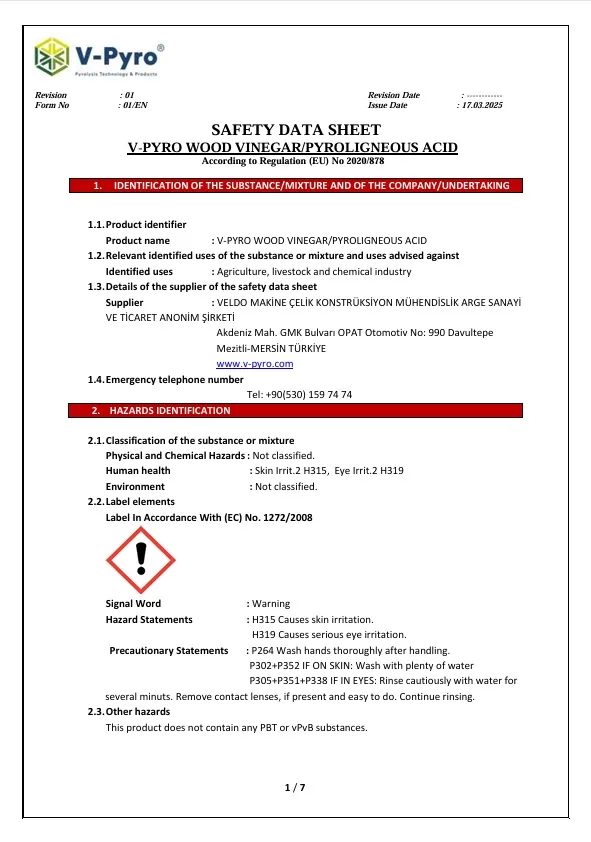 Enlarge document: V-Pyro Wood Vinegar / Pyroligneous Acid safety data sheet, form no. 01/EN, first page (opens in a new tab)
Safety Data Sheet (SDS): V-Pyro Wood Vinegar / Pyroligneous Acid
Prepared according to Regulation (EU) 2020/878 (English). Classification: Skin Irrit. 2 (H315), Eye Irrit. 2 (H319); pictogram GHS07; signal word: Warning. Contains no PBT or vPvB substances.
Frequently asked questions
Wood Vinegar (Pyroligneous Acid)
What is wood vinegar?
It is a liquid obtained by condensing the smoke released during the pyrolysis of organic agricultural waste. It contains acetic acid, phenols, ketones, esters and alcohols, and is used as a natural microbial balancer and antifungal agent.
How is it applied to plants?
It is generally diluted at a ratio of 1:100 (1 litre of wood vinegar + 100 litres of water) and applied as a foliar spray or through drip irrigation. Positive effects have been observed on crops such as tomatoes, peppers and lettuce.
Is wood vinegar harmful to human health?
It is natural in content but can be irritating at high concentrations. It should be diluted before use, and direct contact should be avoided. Certified organic versions are available.
Can it be used in animal feed?
Yes, especially to support the immune system. However, only products licensed as “animal feed additives” should be used, in a controlled way.
Wood vinegar is not a pesticide, so what does it do?
It is a natural microbial balancer in agriculture. It reduces the use of chemical pesticides, strengthens plant immunity and promotes growth.
Can wood vinegar be used as a disinfectant?
Yes. Thanks to its natural phenolic content, it suppresses harmful microorganisms and prevents bad odours in areas such as waste containers, animal shelters and barn floors.
Can it be used to wash fruit and vegetables?
Appropriately diluted wood vinegar (1:200) helps remove pesticide residues from fruit and vegetables. Rinse thoroughly with water before consumption.
Can wood vinegar be mixed with other fertilisers?
Yes. It has a synergistic effect when mixed with compost, liquid fertilisers, seaweed extracts or humic acids. Follow the application dose carefully.
Biochar
What is biochar and why should it be used?
Biochar is a high-carbon soil amendment obtained by carbonising agricultural waste through pyrolysis at 350–700°C in an oxygen-free environment. It increases water retention, balances soil pH and helps mitigate climate change through carbon sequestration.
What does biochar do in the soil?
It enhances microbial activity, reduces nutrient loss and improves water-holding capacity. It rehabilitates saline and barren soils and, over time, improves soil structure, thus increasing yield.
How much biochar should I apply?
Typically, 50–100 kg per decare (da) is applied. However, the amount may vary depending on soil type, crop and irrigation conditions. A soil analysis before application is recommended.
Can biochar be used together with traditional animal manure?
Yes. When mixed with manure, biochar retains the manure's nutrients, provides slow release and reduces bad odours. It also improves the composting process.
Is biochar truly beneficial for the environment?
Absolutely. Each tonne of biochar applied to the soil removes on average 2.5–3 tonnes of CO₂-equivalent carbon from the atmosphere for the long term, which lowers the carbon footprint of agriculture.
Does biochar reduce the need for irrigation?
Yes. Thanks to its porous structure, it retains water and keeps the root zone moist for longer, a significant advantage especially in arid regions.
Can biochar be used in organic farming?
Certified organic biochar can be used as a soil conditioner in organic production. It is important to buy from a certified producer.
Try it in your field.
Request a sample or find your nearest authorised dealer.