
Feed additives, skin care and hygiene for livestock
The search for natural alternatives to synthetic feed additives brings wood vinegar and biochar to the fore. Products, usage rates and documents for feed and drinking-water additives, non-medicinal skin care and barn hygiene.
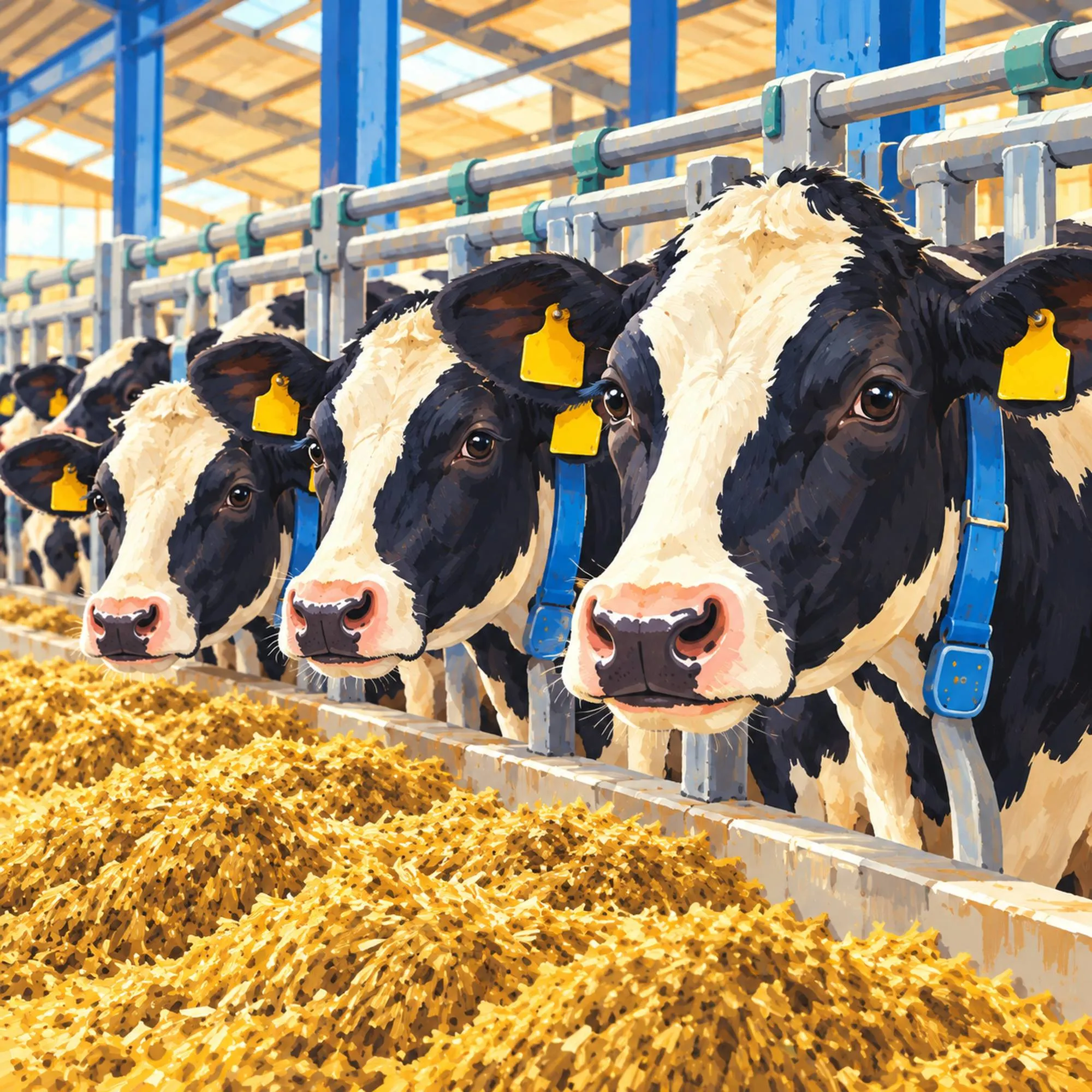
Natural power in animal nutrition and care.
The search for alternatives to synthetic feed additives in the livestock sector has accelerated the shift toward natural and functional compounds in recent years. Wood vinegar (pyroligneous acid) and biochar stand out not only for their eco-friendly production but also for their positive effects on animal health and feed efficiency.
Toxin binding
Thanks to its microporous structure, biochar acts as a toxin binder in the digestive system, trapping harmful substances such as mycotoxins and heavy metals. It balances gut flora and reduces pathogenic pressure.
Feed efficiency
Biochar improves the feed conversion rate. Scientific studies show that in ruminant, poultry and swine nutrition it supports daily weight gain, improves energy utilisation from feed and enhances intestinal health. Even at low doses, it can yield significant biological effects as a feed additive.
Ammonia and odour
Biochar lowers ammonia in faeces, reducing odour and environmental pollution. Used together with wood vinegar, it improves barn air quality and reduces nitrogen loss in manure, contributing to more efficient organic fertiliser.
Drinking water and digestion
Containing acetic acid, phenols, ketones and alcohols, wood vinegar regulates intestinal pH, suppresses the growth of pathogenic microorganisms, stimulates appetite and facilitates digestion. Added in small amounts to drinking water, it encourages water intake, reduces microbial build-up in water lines and helps reduce stress, especially in hot summer months.
Skin, hoof and udder care
As a non-medicinal topical care product, wood vinegar reduces excess oil, sweat residues and pathogen load on the skin, soothes itching and irritation and helps reduce fly and parasite load in summer. In cattle and small ruminants, it can be used for hoof hygiene, interdigital cleaning and external udder care.
Protective barrier
Wood tar forms a water- and air-resistant layer on the skin, providing physical protection against external factors; it is used as supportive care for hoof cracks and tail-area irritation, especially in pasture-based and open-air livestock systems. These skin care products are not pharmaceuticals; they are external supportive and protective care products.
Product, dose and proof for your problem.
Barn / poultry house odour and ammonia
- Application dose
- Added to the daily feed ration: cattle 0.5–1% · sheep and goats 0.5% · poultry 0.2–0.5%
- Effect
- Improves feed conversion and lowers ammonia in manure, reducing odour and environmental pollution
- Official proof
- Banvit integrated-facility pilot study · Ministry feed additive licence
Digestion and mycotoxins
- Application dose
- Added to the daily feed ration: cattle 0.5–1% · sheep and goats 0.5% · poultry 0.2–0.5%
- Effect
- Acts as a toxin binder for mycotoxins and heavy metals, balances gut flora and enhances nutrient absorption
- Official proof
- Ministry of Agriculture and Forestry feed additive licence
Drinking water and digestive support
Product
- Application dose
- In drinking water: cattle 1–2 ml/L · sheep and goats 0.5–1 ml/L · poultry 0.2–0.5 ml/L · daily, or 5 days on, 2 days off
- Effect
- Encourages water intake and reduces microbial build-up in water lines; supports digestive health
- Official proof
- TSE K 665 criteria conformity certificate (wood vinegar)
Foot, hoof and skin cracks
Product
- Application dose
- Thin layer on the cleaned and dried area · once a day for 3–5 days · once a week for prevention
- Effect
- Maintains skin integrity; prevents fungal infections, rot and cracks in the sole and hoof area and reduces fly-induced irritation
Animal housing and feed hygiene
- Application dose
- 1:100 (≈ 1%) · 1:50 (≈ 2%) for heavy soiling · spray or wipe
- Effect
- Suitable for feeders, water troughs and hoof baths; suppresses ammonia odours

Products for livestock
For feed and drinking-water additives, non-medicinal skin care and barn hygiene.
 Agriculture and soil
Biochar
Soil amendment, carbon feed additive and seeded carbon cube.
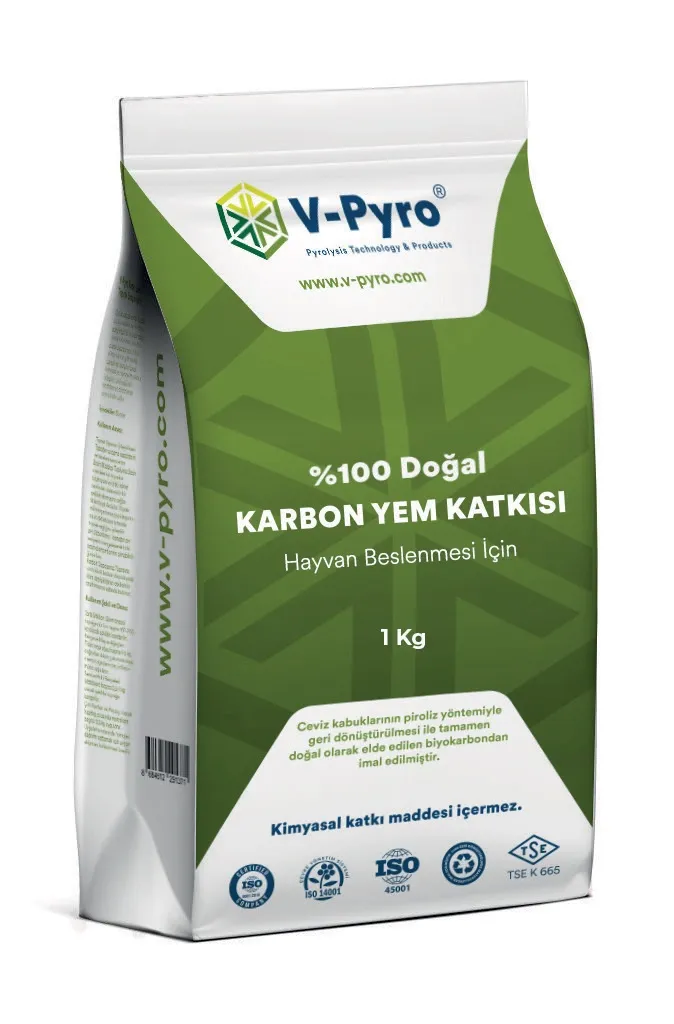 Livestock
KARBOVITAL Carbon Feed Additive
Biochar additive for cattle, sheep, goat and poultry feed.
 Agriculture and soil
Pyroligneous Acid
Wood-vinegar based products for plant growth, nutrition, pH regulation, feed and hygiene.
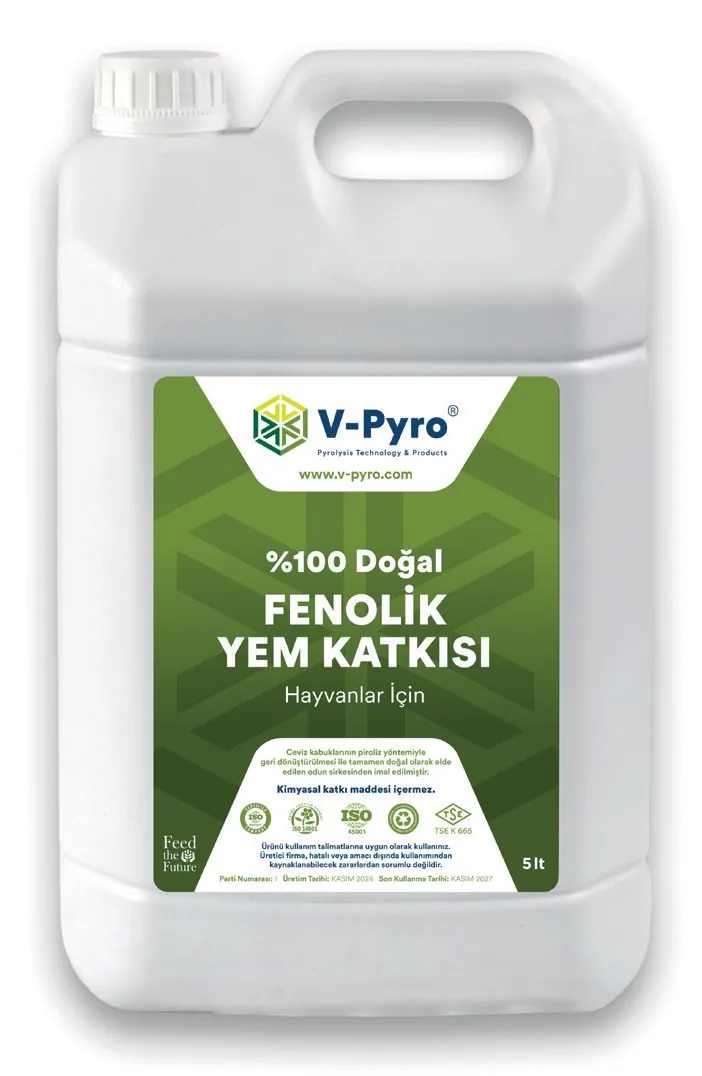 Livestock
Phenolic Feed Additive
Wood-vinegar based natural feed additive for drinking water.
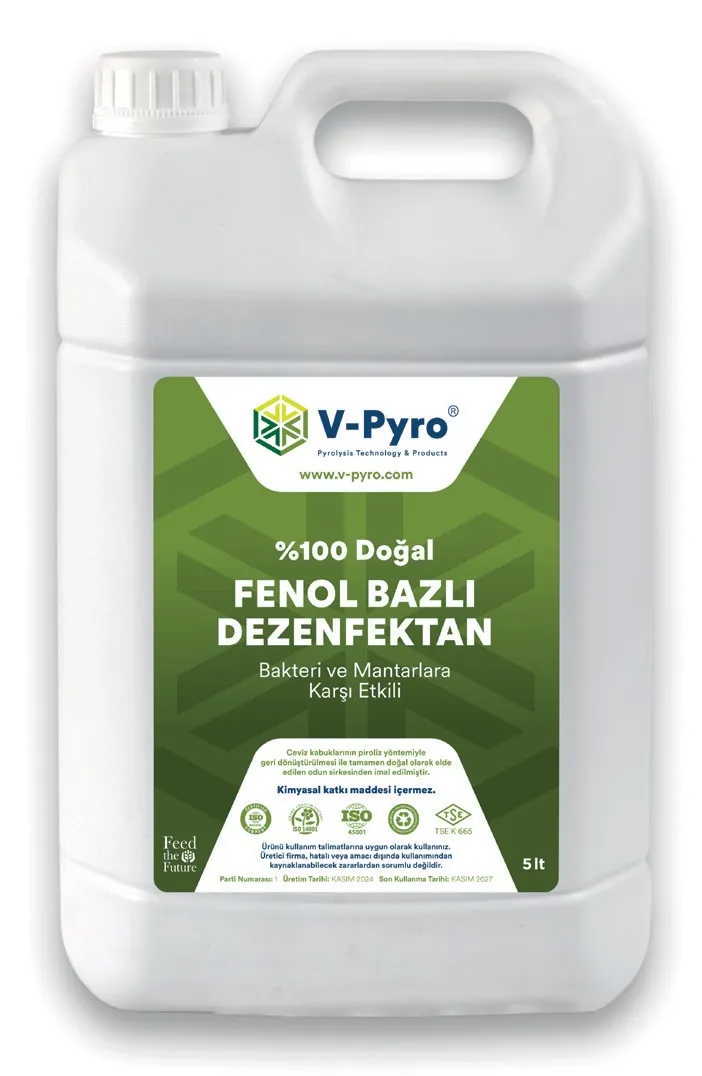 Hygiene
Phenol-Based Natural Disinfectant
Wood-vinegar based natural disinfectant for barns, surfaces and equipment.
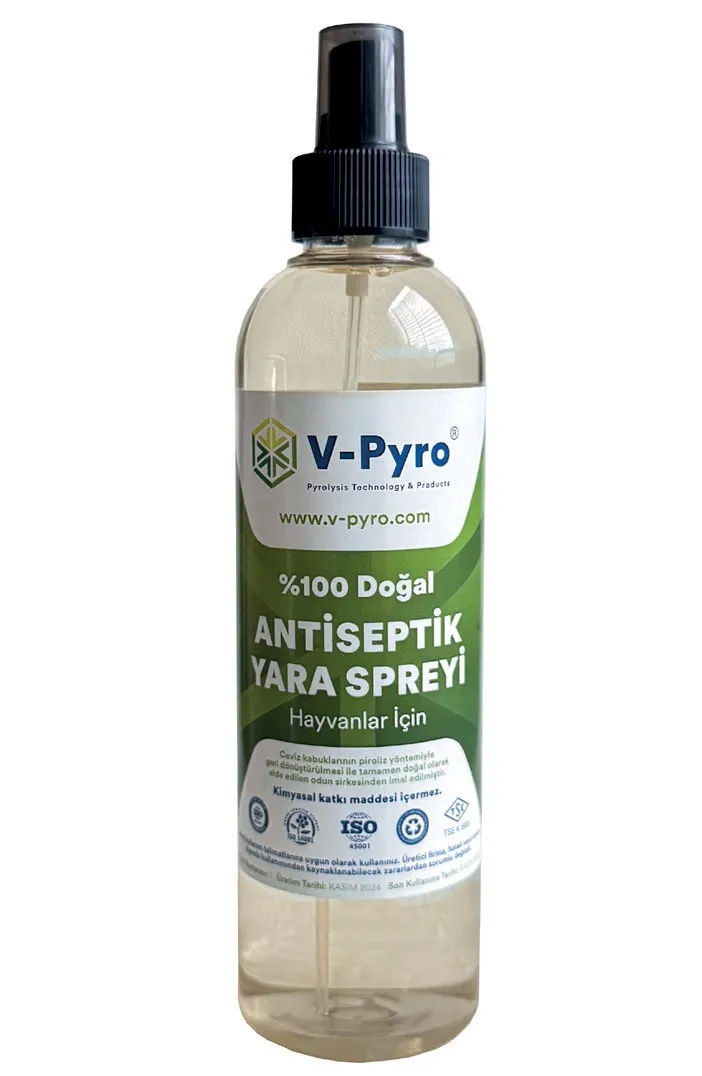 Livestock
Skin Care Spray
Wood-vinegar based wound and skin care spray for animals.
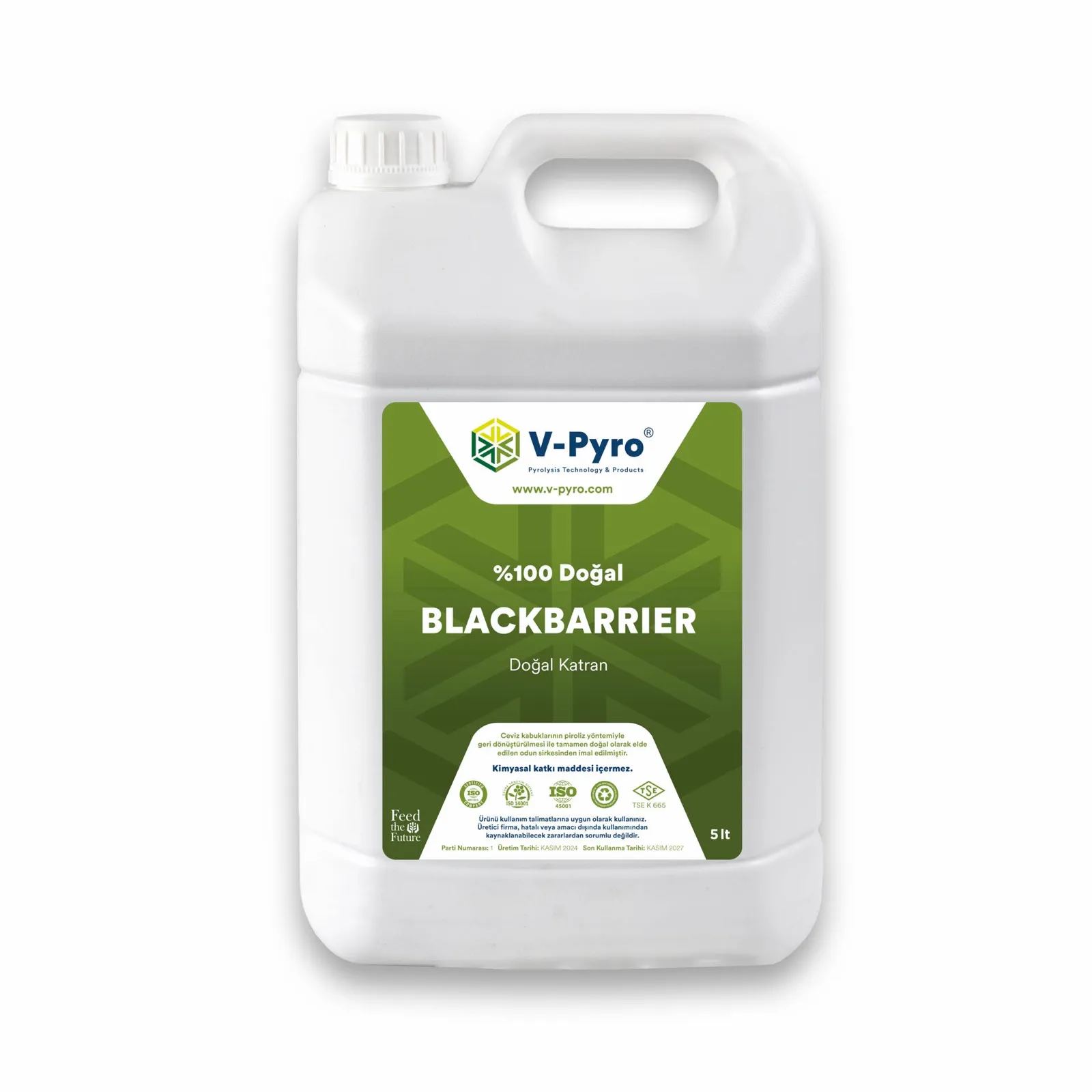 Industry
Wood Tar
Natural tar products for wood, metal and hull protection, graft and pruning wounds, and animal skin care.
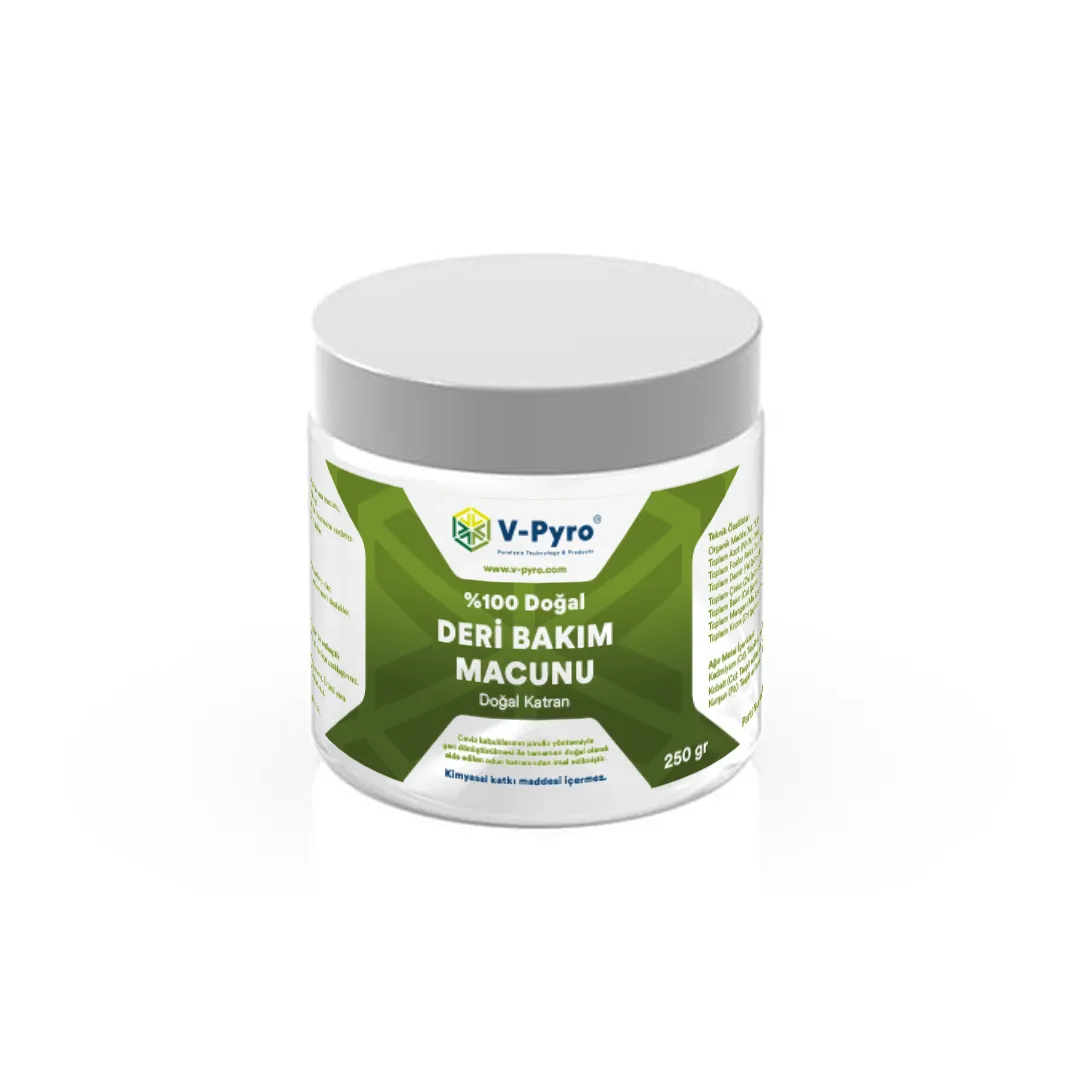 Livestock
Skin Care Paste
Wood-tar-based care paste for skin cracks, irritation and hoof problems.
Feed and drinking-water additives.
KARBOVITAL is added to the daily feed ration, the Phenolic Feed Additive to drinking water.
Rates by animal group
| Animal group | KARBOVITAL (of the daily feed ration) | Phenolic Feed Additive (per 1 L of drinking water) |
|---|---|---|
| Large ruminants (cattle, buffalo) | 0.5–1% | 1–2 mL |
| Small ruminants (sheep, goats) | 0.5% | 0.5–1 mL |
| Poultry (chickens, turkeys) | 0.2–0.5% | 0.2–0.5 mL |
Wood vinegar in barns, poultry houses and shelters.
In cattle and small livestock shelters, bacteria and fungi on floors and walls increase the risk of infection. Here, wood vinegar acts as an antiseptic that reduces the risk of disease transmission, suppresses ammonia odours and provides a natural repellent effect where insects and parasites accumulate. We provided free wood vinegar to an animal shelter, offering a natural alternative to chemical disinfectants.
- 01
Dilute
In shelter areas (barns, poultry houses, cat and dog pens), dilute 1:50; in areas with strong odours, 1:20 may be preferred. For general surface applications, the dilution ranges from 1:20 to 1:100.
- 02
Apply
Apply with a spray, mop, brush or basic liquid dispersal system. Suitable for shelter floors, feeding areas, water troughs and hoof baths.
- 03
Repeat
Can be applied daily or weekly. The effect lasts longer on porous surfaces.
- 04
Protect yourself
Wear protective equipment, especially for large-scale applications. Product and safety information: Phenol-Based Natural Disinfectant.
Test reports and safety data sheets.
Test report
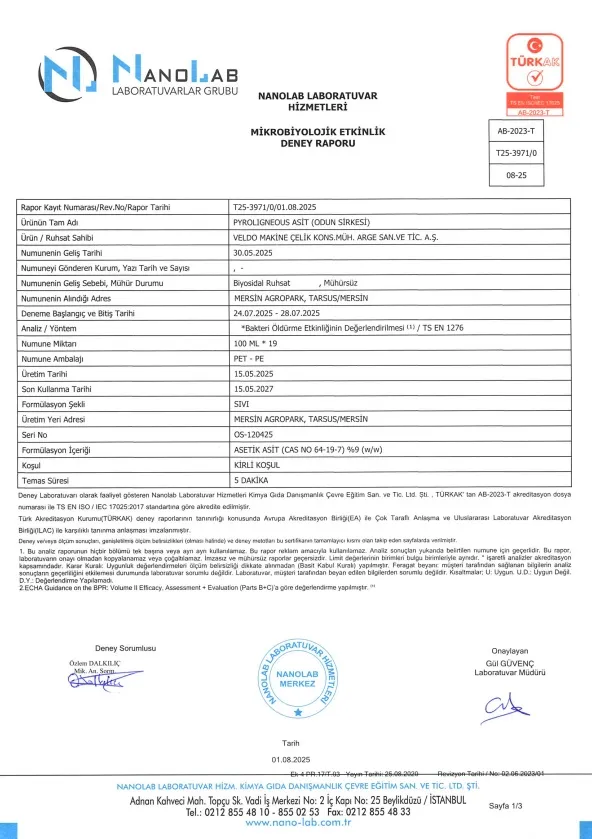 Enlarge document: Nanolab microbiological efficacy test report T25-3971/0 for pyroligneous acid, TS EN 1276, first page (opens in a new tab)
Microbiological Efficacy Test Report: bactericidal activity (TS EN 1276)
Pyroligneous acid (wood vinegar), lot OS-120425, 9% (w/w) acetic acid; dirty conditions, 5-minute contact time. At an 80% test concentration: >5 log (over 99.999%) reduction of Staphylococcus aureus ATCC 6538, Pseudomonas aeruginosa ATCC 15442, Enterococcus hirae ATCC 10541 and Escherichia coli ATCC 10536.
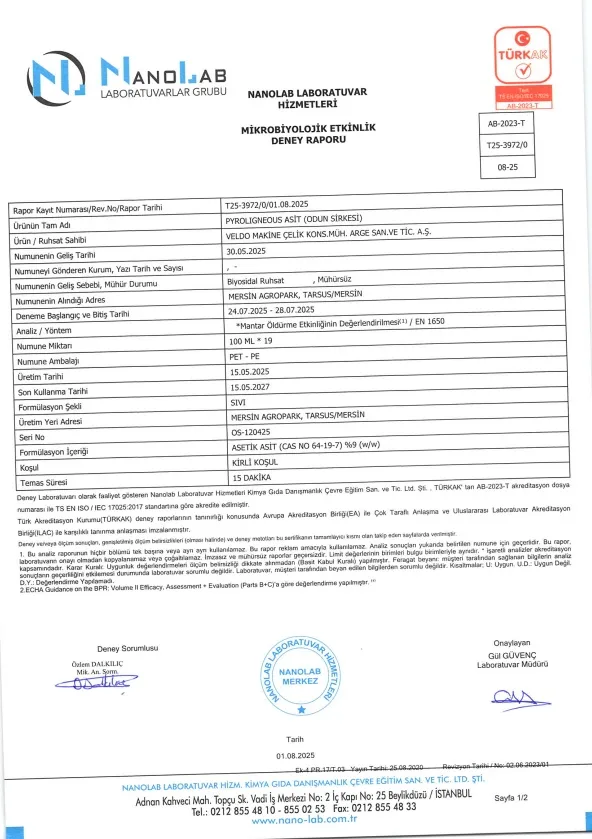 Enlarge document: Nanolab microbiological efficacy test report T25-3972/0 for pyroligneous acid, EN 1650, first page (opens in a new tab)
Microbiological Efficacy Test Report: fungicidal activity (EN 1650)
Pyroligneous acid (wood vinegar), lot OS-120425, 9% (w/w) acetic acid; dirty conditions, 15-minute contact time. At an 80% test concentration: >5 log (over 99.999%) reduction of Candida albicans ATCC 10231 and Aspergillus brasiliensis ATCC 16404.
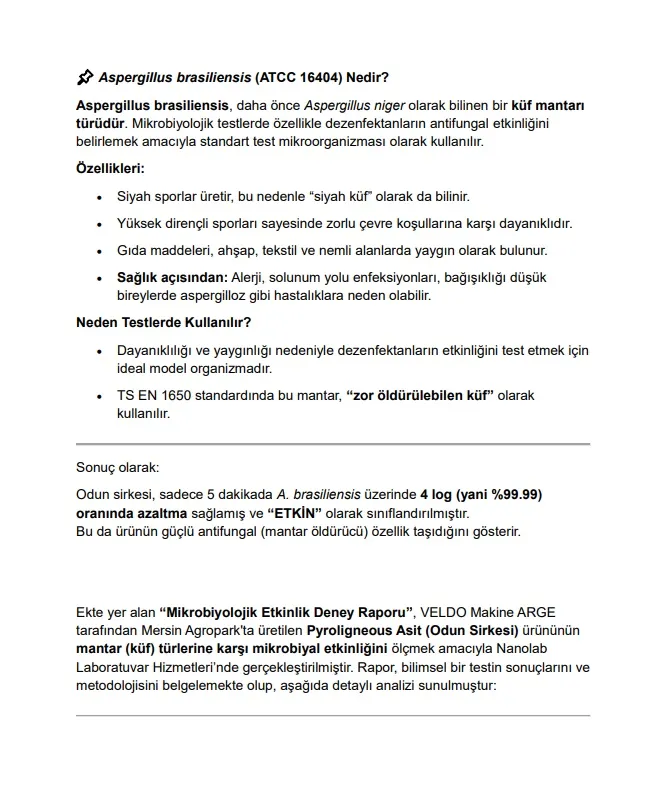 Enlarge document: V-Pyro explanatory sheet in Turkish on Aspergillus brasiliensis (ATCC 16404) and the TS EN 1650 test (opens in a new tab)
V-Pyro summary: fungicidal activity against Aspergillus brasiliensis (TS EN 1650; Nanolab report T25-3459/0, 22 July 2025)
V-Pyro summary of Nanolab report T25-3459/0: pyroligneous acid with 9% (w/w) acetic acid achieved a 4 log (99.99%) reduction of Aspergillus brasiliensis ATCC 16404 in 5 minutes under dirty conditions and was classified as “EFFECTIVE”.
Analysis report
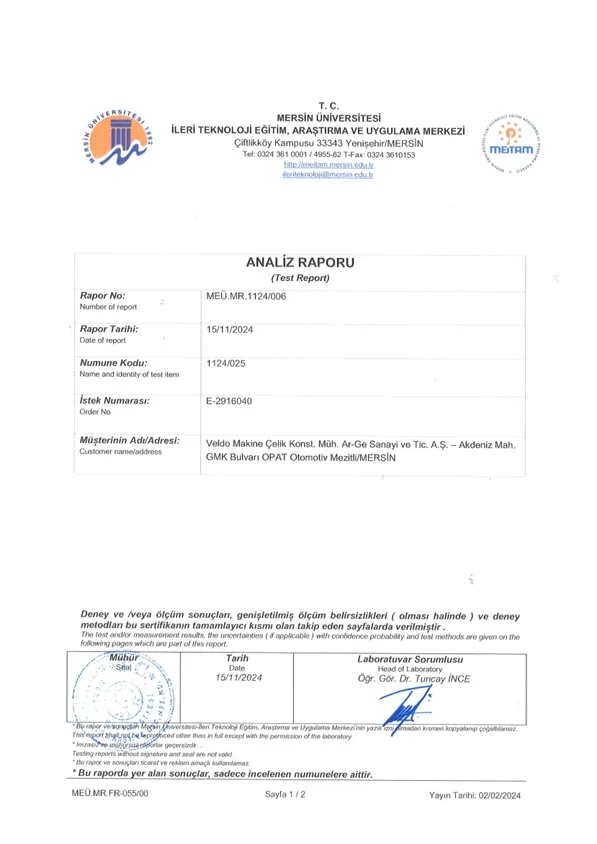 Enlarge document: MEİTAM analysis report MEÜ.MR.1124/006 for wood vinegar, first page (opens in a new tab)
Analysis Report: wood vinegar, TSE K 665 criteria
pH, refractive index, density, dissolved tar, acetic acid and heavy metals (Pb, As, Cd, Hg) against the TSE K 665 criteria. This is the report behind the TSEK certificate (0413243-TSEK-01/01).
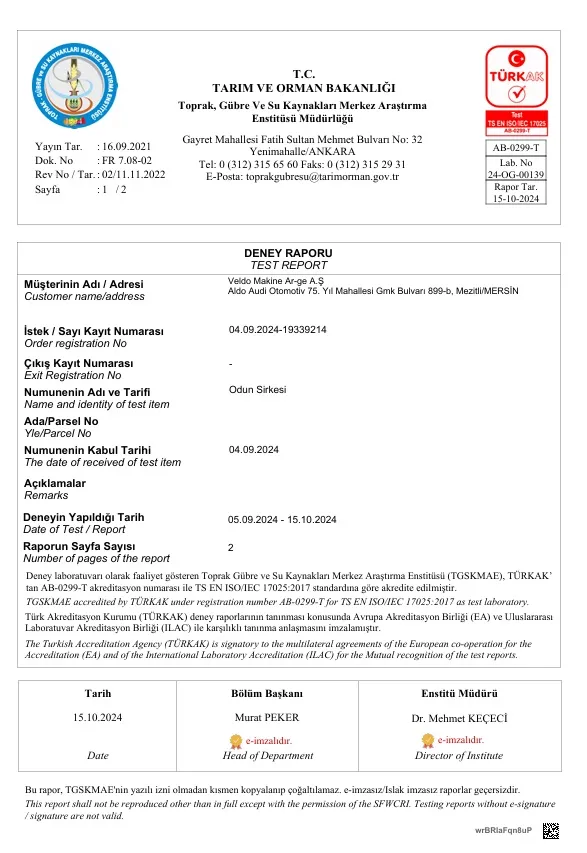 Enlarge document: TGSKMAE test report, laboratory no. 24-OG-00139, sample wood vinegar, cover page (opens in a new tab)
Test Report: wood vinegar
Plant and Organic Fertilizer Laboratory analyses; organic matter, organic carbon, pH, EC, humic + fulvic acid, nutrients and heavy metals.
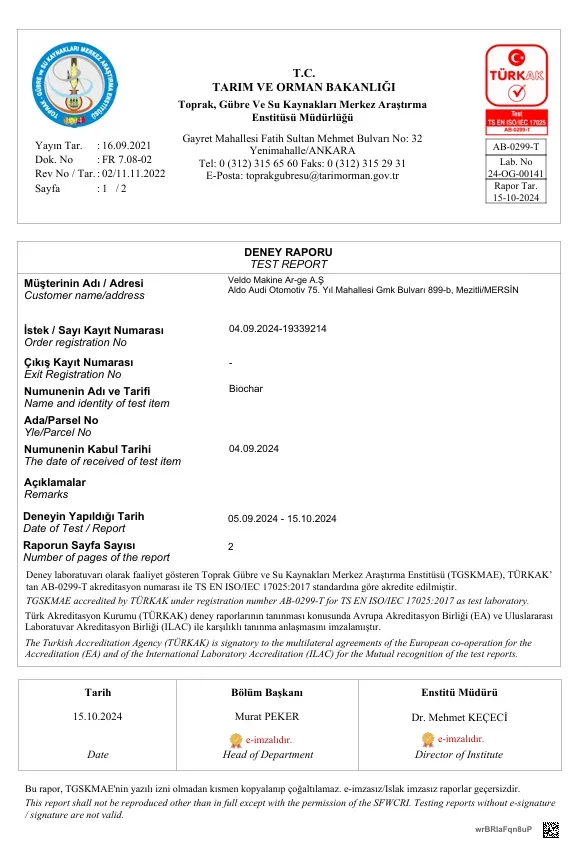 Enlarge document: TGSKMAE test report, laboratory no. 24-OG-00141, sample biochar, cover page (opens in a new tab)
Test Report: biochar
Plant and Organic Fertilizer Laboratory analyses; moisture, organic matter, pH, phosphorus, potassium, nitrogen and heavy metals.
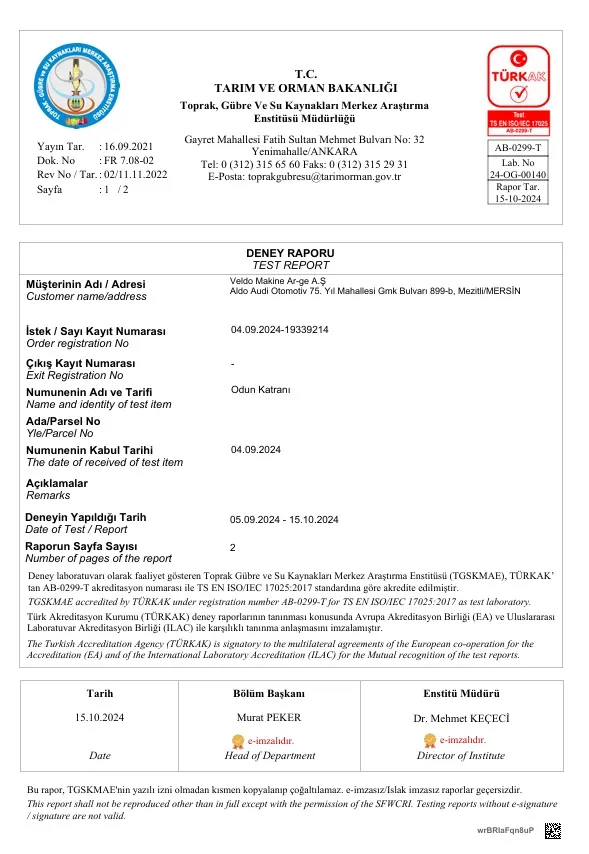 Enlarge document: TGSKMAE test report, laboratory no. 24-OG-00140, sample wood tar, cover page (opens in a new tab)
Test Report: wood tar
Plant and Organic Fertilizer Laboratory analyses; organic matter, nitrogen, phosphorus, nutrients and heavy metals.
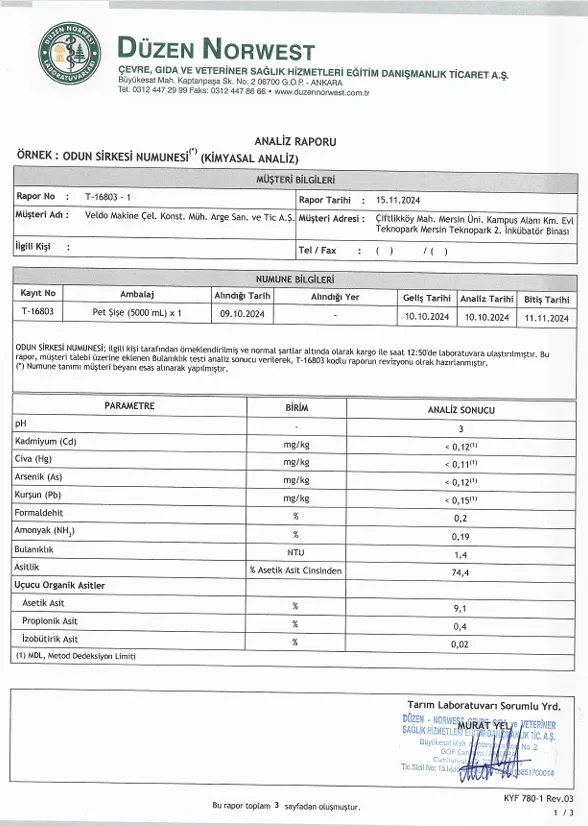 Enlarge document: Düzen Norwest analysis report T-16803-1 for a wood vinegar sample, first page (opens in a new tab)
Analysis Report: wood vinegar sample (chemical analysis)
pH, heavy metals (Cd, Hg, As, Pb), formaldehyde, ammonia, turbidity, acidity and organic acids (acetic, propionic and isobutyric acid).
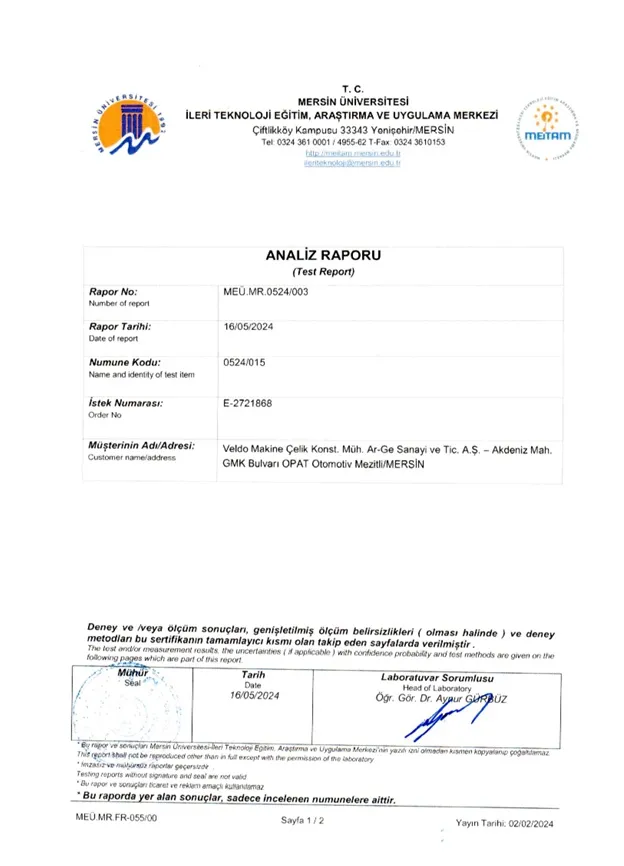 Enlarge document: MEİTAM analysis report MEÜ.MR.0524/003, MIC test of wood vinegar, first page (opens in a new tab)
Analysis Report: minimum inhibitory concentration (MIC) of wood vinegar
MIC values of two wood vinegar samples coded “NAR” and “ZEYTİN” against Staphylococcus aureus, Escherichia coli and Candida albicans, C. glabrata, C. tropicalis and C. parapsilosis (controls: ampicillin, fluconazole).
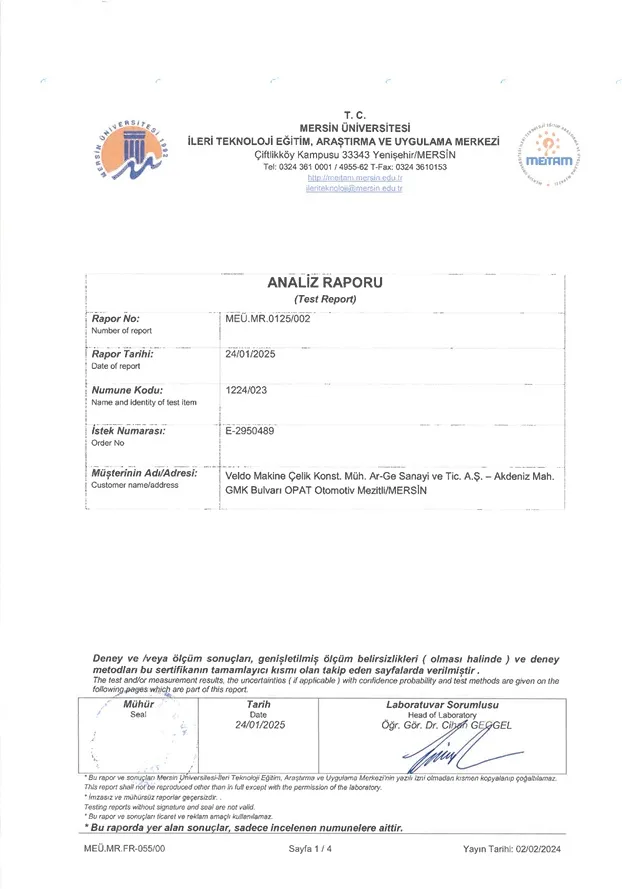 Enlarge document: MEİTAM analysis report MEÜ.MR.0125/002, cytotoxicity test of wood vinegar, first page (opens in a new tab)
Analysis Report: cytotoxicity of wood vinegar (human dermal fibroblast cells)
Cytotoxicity of three wood vinegar samples made from pomegranate peel, measured with the xCELLigence and MTT methods at dilutions from 1/2 to 1/500 after 24, 48 and 72 hours.
Safety data sheet (SDS)
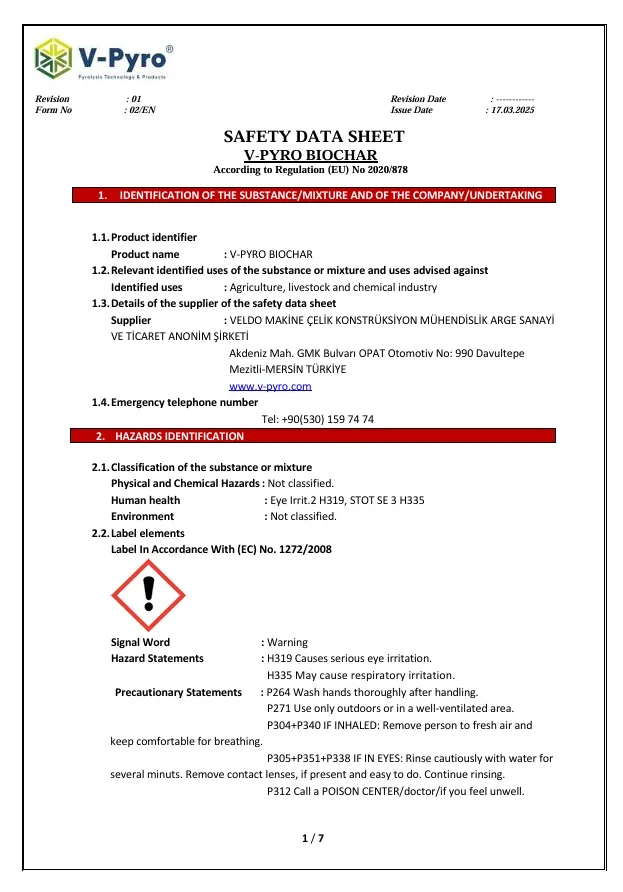 Enlarge document: V-Pyro Biochar safety data sheet, form no. 02/EN, first page (opens in a new tab)
Safety Data Sheet (SDS): V-Pyro Biochar
Prepared according to Regulation (EU) 2020/878 (English). Classification: Eye Irrit. 2 (H319), STOT SE 3 (H335); pictogram GHS07; signal word: Warning.
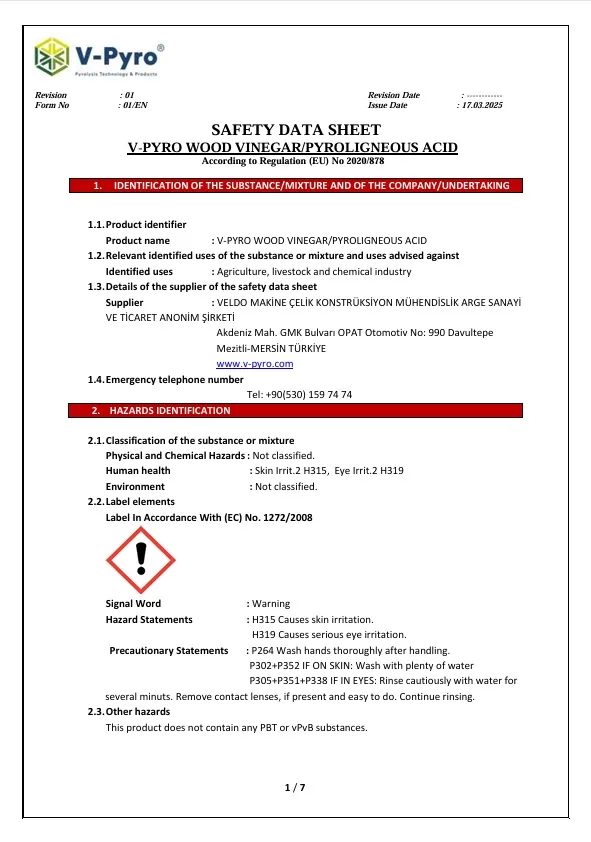 Enlarge document: V-Pyro Wood Vinegar / Pyroligneous Acid safety data sheet, form no. 01/EN, first page (opens in a new tab)
Safety Data Sheet (SDS): V-Pyro Wood Vinegar / Pyroligneous Acid
Prepared according to Regulation (EU) 2020/878 (English). Classification: Skin Irrit. 2 (H315), Eye Irrit. 2 (H319); pictogram GHS07; signal word: Warning. Contains no PBT or vPvB substances.
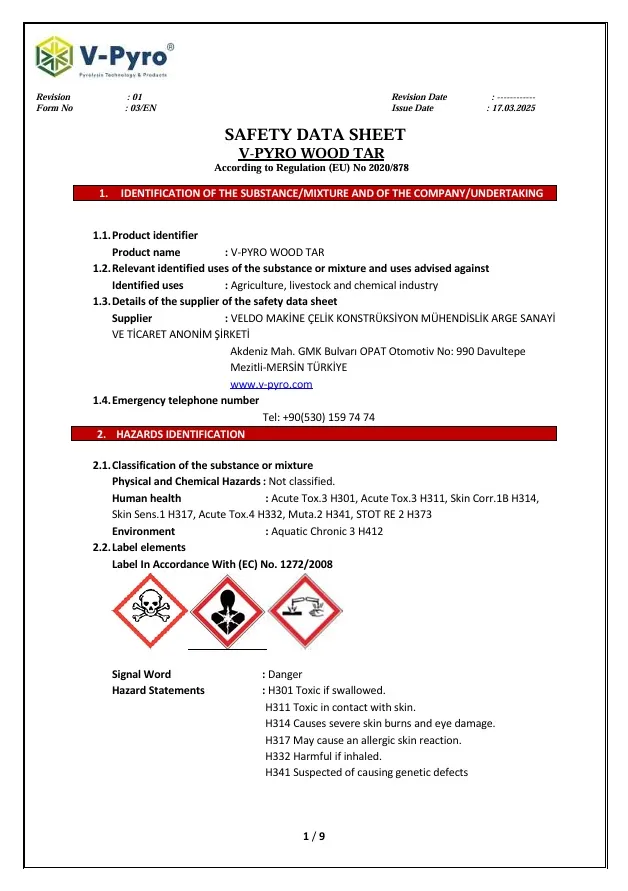 Enlarge document: V-Pyro Wood Tar safety data sheet, form no. 03/EN, first page (opens in a new tab)
Safety Data Sheet (SDS): V-Pyro Wood Tar
Prepared according to Regulation (EU) 2020/878 (English). Classification: Acute Tox. 3 (H301, H311), Skin Corr. 1B (H314), Skin Sens. 1 (H317), Acute Tox. 4 (H332), Muta. 2 (H341), STOT RE 2 (H373), Aquatic Chronic 3 (H412); pictograms GHS05, GHS06, GHS08; signal word: Danger.
Frequently asked questions
Wood Vinegar (Pyroligneous Acid)
What is wood vinegar?
It is a liquid obtained by condensing the smoke released during the pyrolysis of organic agricultural waste. It contains acetic acid, phenols, ketones, esters and alcohols, and is used as a natural microbial balancer and antifungal agent.
How is it applied to plants?
It is generally diluted at a ratio of 1:100 (1 litre of wood vinegar + 100 litres of water) and applied as a foliar spray or through drip irrigation. Positive effects have been observed on crops such as tomatoes, peppers and lettuce.
Is wood vinegar harmful to human health?
It is natural in content but can be irritating at high concentrations. It should be diluted before use, and direct contact should be avoided. Certified organic versions are available.
Can it be used in animal feed?
Yes, especially to support the immune system. However, only products licensed as “animal feed additives” should be used, in a controlled way.
Wood vinegar is not a pesticide, so what does it do?
It is a natural microbial balancer in agriculture. It reduces the use of chemical pesticides, strengthens plant immunity and promotes growth.
Can wood vinegar be used as a disinfectant?
Yes. Thanks to its natural phenolic content, it suppresses harmful microorganisms and prevents bad odours in areas such as waste containers, animal shelters and barn floors.
Can it be used to wash fruit and vegetables?
Appropriately diluted wood vinegar (1:200) helps remove pesticide residues from fruit and vegetables. Rinse thoroughly with water before consumption.
Can wood vinegar be mixed with other fertilisers?
Yes. It has a synergistic effect when mixed with compost, liquid fertilisers, seaweed extracts or humic acids. Follow the application dose carefully.
Biochar
What is biochar and why should it be used?
Biochar is a high-carbon soil amendment obtained by carbonising agricultural waste through pyrolysis at 350–700°C in an oxygen-free environment. It increases water retention, balances soil pH and helps mitigate climate change through carbon sequestration.
What does biochar do in the soil?
It enhances microbial activity, reduces nutrient loss and improves water-holding capacity. It rehabilitates saline and barren soils and, over time, improves soil structure, thus increasing yield.
How much biochar should I apply?
Typically, 50–100 kg per decare (da) is applied. However, the amount may vary depending on soil type, crop and irrigation conditions. A soil analysis before application is recommended.
Can biochar be used together with traditional animal manure?
Yes. When mixed with manure, biochar retains the manure's nutrients, provides slow release and reduces bad odours. It also improves the composting process.
Is biochar truly beneficial for the environment?
Absolutely. Each tonne of biochar applied to the soil removes on average 2.5–3 tonnes of CO₂-equivalent carbon from the atmosphere for the long term, which lowers the carbon footprint of agriculture.
Does biochar reduce the need for irrigation?
Yes. Thanks to its porous structure, it retains water and keeps the root zone moist for longer, a significant advantage especially in arid regions.
Can biochar be used in organic farming?
Certified organic biochar can be used as a soil conditioner in organic production. It is important to buy from a certified producer.
Try it on your farm.
Request a sample or find your nearest authorised dealer.