
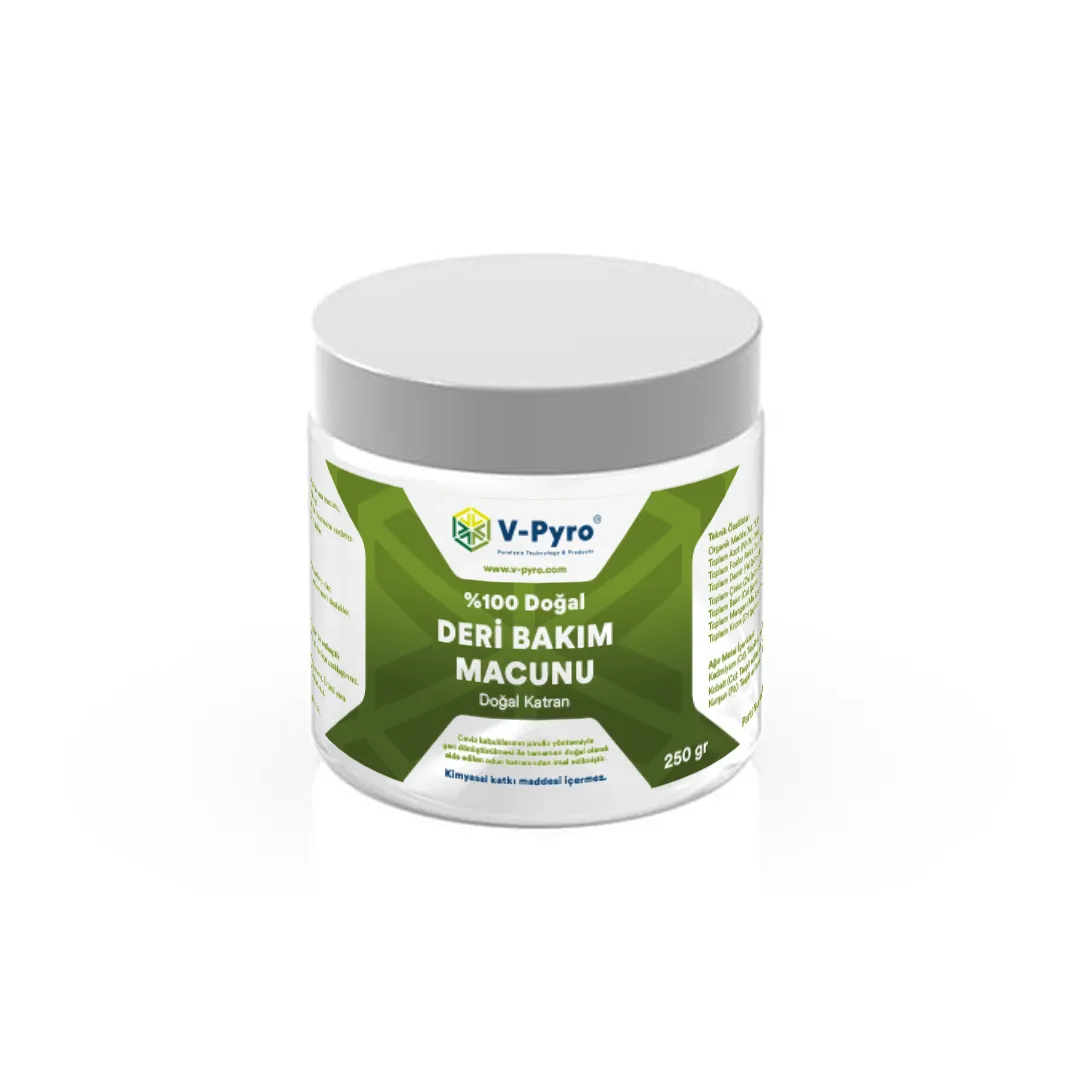
Livestock
Skin Care Paste
Natural Tar · For animals
A natural skin care paste based on wood tar obtained through the pyrolysis of biomass with high lignin and phenolic content, such as olive pits, walnut shells and apricot kernels. It provides protective, healing and moisturising effects against common issues in traditional livestock farming such as skin cracks, irritations, fungal skin lesions and hoof and foot health problems.
- 85–95%Wood tar content
- 3–5 daysOnce daily for treatment
- 7–10 daysTime to positive results
What is Skin Care Paste?
Skin Care Paste is a natural, wood-tar-based paste for animals. Its wood tar, made by pyrolysing olive pits, walnut shells and apricot kernels, is combined with natural beeswax and olive oil. It contains no pharmaceutical active ingredients and is for external use only. It gives protective, moisturising care for skin cracks, irritation and hoof problems in livestock.
Skin integrity, hoof health and protection from flies.
Skin integrity
Maintains skin integrity.
Wound healing
Accelerates wound healing.
Hoof and foot health
Prevents and treats fungal infections, rot and cracks in the hoof and sole areas.
Parasites and flies
Reduces parasite bites and fly-induced irritation.
Dryness and cracking
Protects against dryness and cracks caused by cold or hot weather.
Wood tar, beeswax and olive oil.
Wood tar provides the antiseptic and antifungal effect; natural beeswax thickens the paste and forms a protective layer, and cold-pressed olive oil softens the skin.
Ingredients (qualitative and quantitative composition)
| Component | Percentage (%) | Function |
|---|---|---|
| Wood tar | 85–95 | Antiseptic, antifungal, anti-inflammatory |
| Natural beeswax | 3–7 | Thickener, protective layer |
| Cold-pressed olive oil | 1–3 | Skin softener, carrier |
| Castor oil (optional) | <2 | Skin nourishing |
| Natural aromatic oils | <1 | Ease of application, insect repellent (e.g. lavender, eucalyptus) |
Once a day for treatment, once a week for prevention.
| Application | Rate | Frequency | Source |
|---|---|---|---|
| For treatmentPositive results in 7–10 days depending on the conditionTreatment | Thin layer | Once daily for 3–5 days | Manufacturer's recommendation |
| For preventionProtection | Thin layer | Once a week or as needed | Manufacturer's recommendation |
Which animals is it for?
| Animal group | Use |
|---|---|
| Cattle and buffalo | Teat cracks, hoof and foot fungal infections, fly-related wounds and irritations in summer |
| Sheep and goats | Foot rot, lameness and fungal infections developing in moist areas |
| Equines (horses, donkeys) | Cracks around hooves and knees, fly bites |
| Pets | Paw cracks or localised eczema in dogs (on a veterinarian’s advice) |
For pets, use only in limited amounts and under veterinary supervision.
Clean, apply a thin layer, repeat regularly.
- 01
Clean
Gently clean the area with clean water or an antiseptic solution (e.g. wood vinegar), then dry it.
- 02
Apply
Apply a thin layer of the paste to the affected area with sterile gloves or a spatula. Thanks to its natural stickiness, the product stays on the area for a long time.
- 03
Repeat
For treatment, once daily for 3–5 days; for prevention, once a week or as needed.
- 04
Monitor
Positive results are usually seen within 7–10 days depending on the condition of the skin. In resistant cases, the period of use may be extended.
Usage warnings
- For external use only. Do not ingest.
- Consult a veterinarian before applying directly to open wounds.
- Wash hands after use.
- Avoid contact with eyes.
Safety information
- Signal word
- Danger
- Hazard statements
- H301 Toxic if swallowed.
- H311 Toxic in contact with skin.
- H314 Causes severe skin burns and eye damage.
- H317 May cause an allergic skin reaction.
- H332 Harmful if inhaled.
- H341 Suspected of causing genetic defects.
- H373 May cause damage to organs through prolonged or repeated exposure.
- H412 Harmful to aquatic life with long lasting effects.
- Precautionary statements
- P201 Obtain special instructions before use.
- P261 Avoid breathing vapours.
- P264 Wash hands thoroughly after handling.
- P301+P330+P331 IF SWALLOWED: Rinse mouth. Do NOT induce vomiting.
- P303+P361+P353 IF ON SKIN (or hair): Take off immediately all contaminated clothing. Rinse skin with water/shower.
- P304+P340 IF INHALED: Remove person to fresh air and keep comfortable for breathing.
- P305+P351+P338 IF IN EYES: Rinse cautiously with water for several minutes. Remove contact lenses, if present and easy to do. Continue rinsing.
- P312 Call a POISON CENTER/doctor if you feel unwell.
- P501 Dispose of contents/container in accordance with national regulations.
Phenols and a long tradition in animal health.

Wood tar contains phenolic compounds, organic acids and aromatic hydrocarbons, which give it antimicrobial and antifungal properties. Traditionally, products such as Swedish tar or birch tar have been used in animal health for many years. Tar derived from olive pits is a suitable natural alternative for this use thanks to its high phenolic content and plant-based origin.
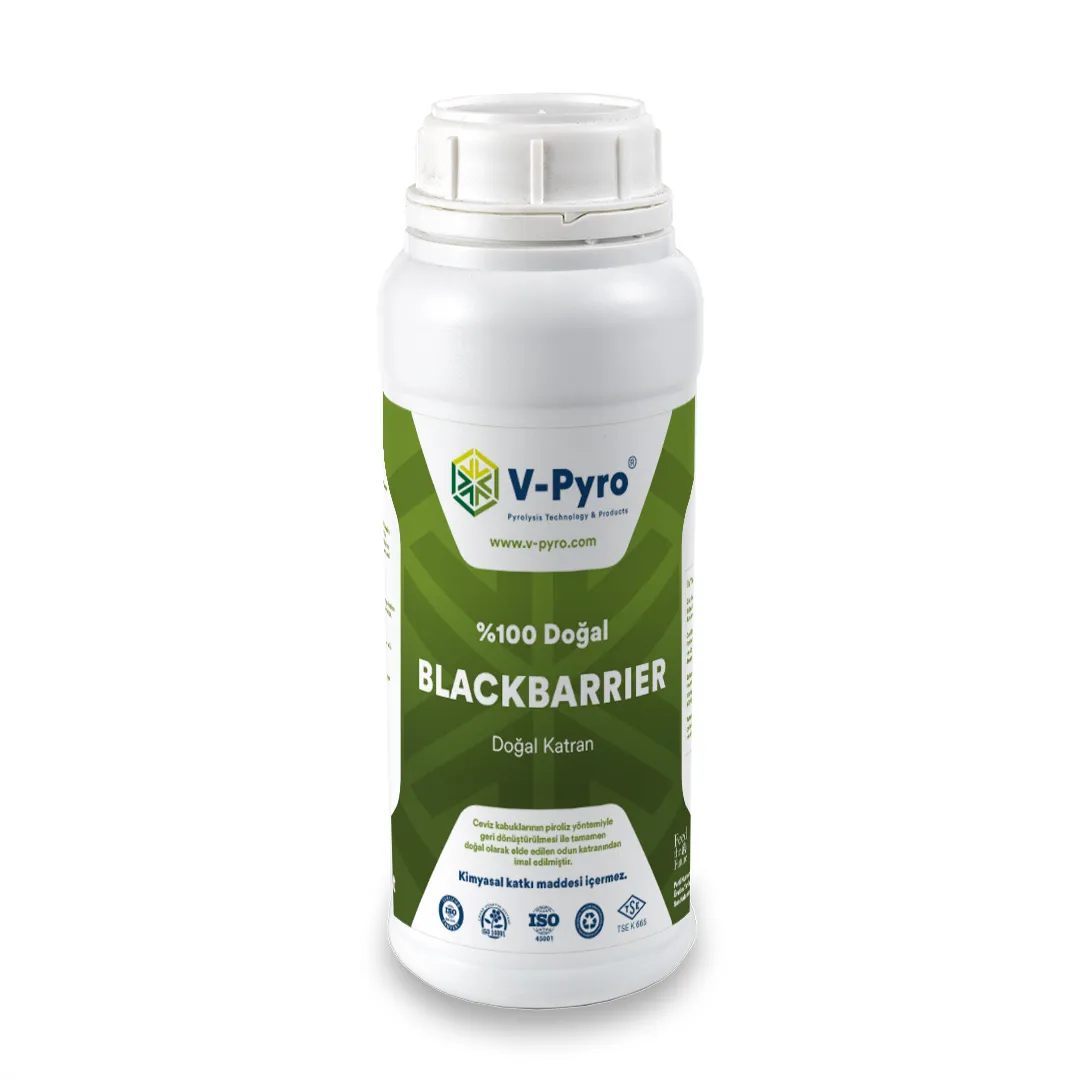 Industry
BLACKBARRIER
Water-repellent, anti-corrosion natural tar coating for wood and metal surfaces.
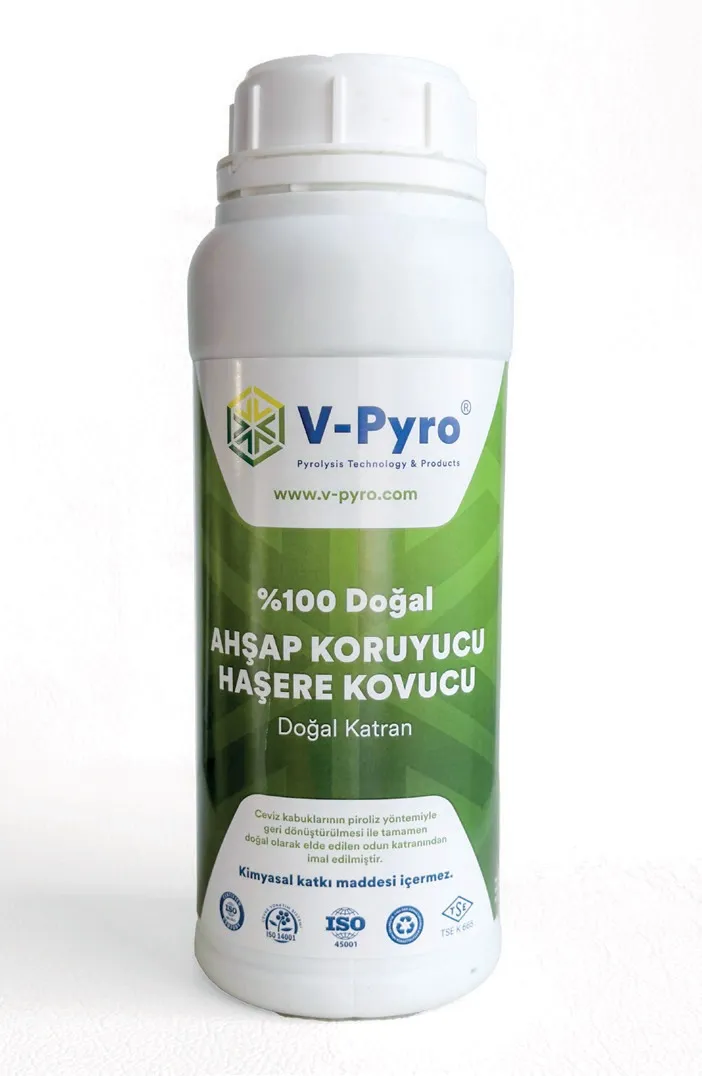 Industry
Wood Protector / Pest Repellent
Natural tar that protects wood against decay, fungi and wood-boring pests.
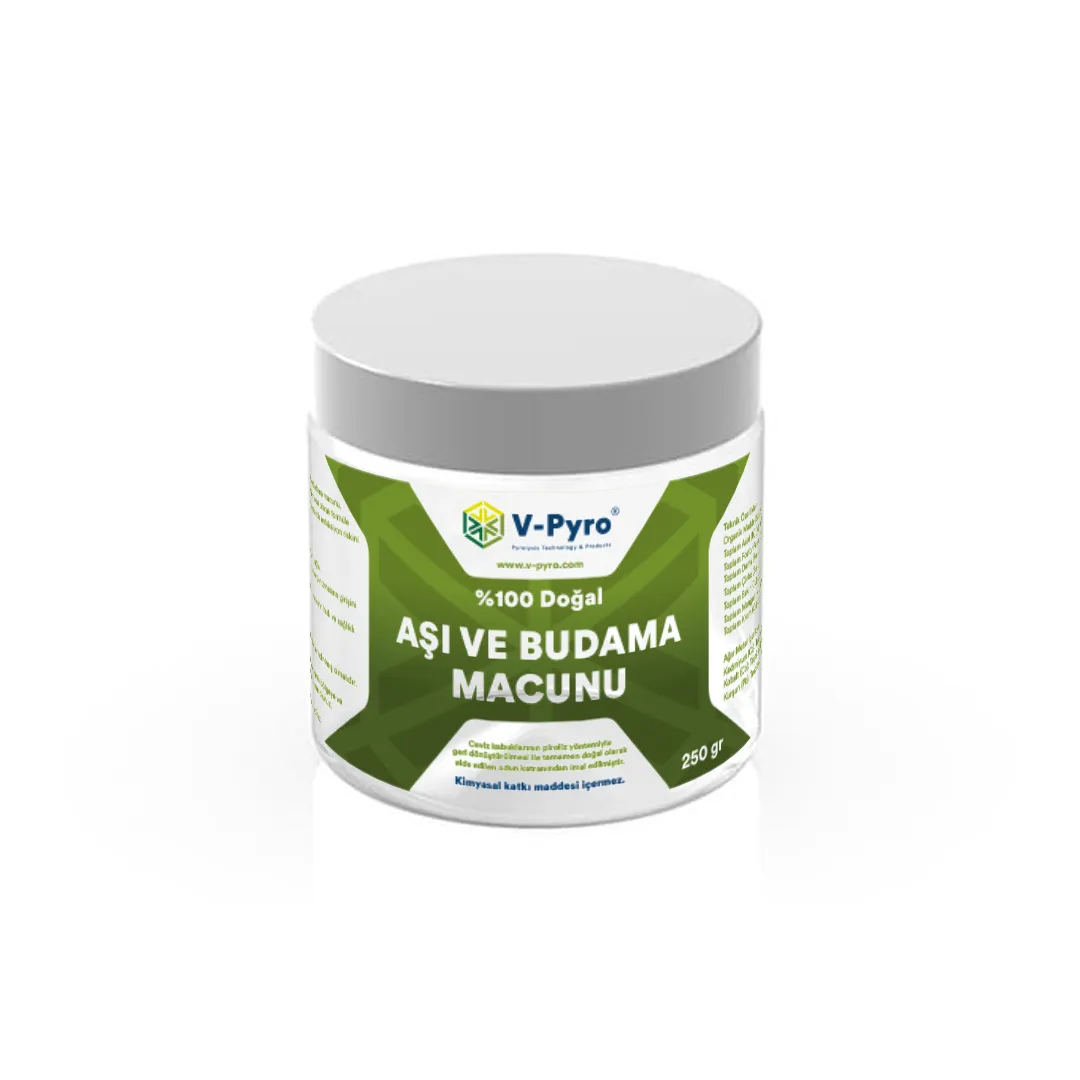 Agriculture and soil
Grafting / Pruning Paste
Natural wood-tar paste that seals graft sites and pruning cuts.
Try it in the field.
Request a sample or find your nearest authorised dealer.