
Industry
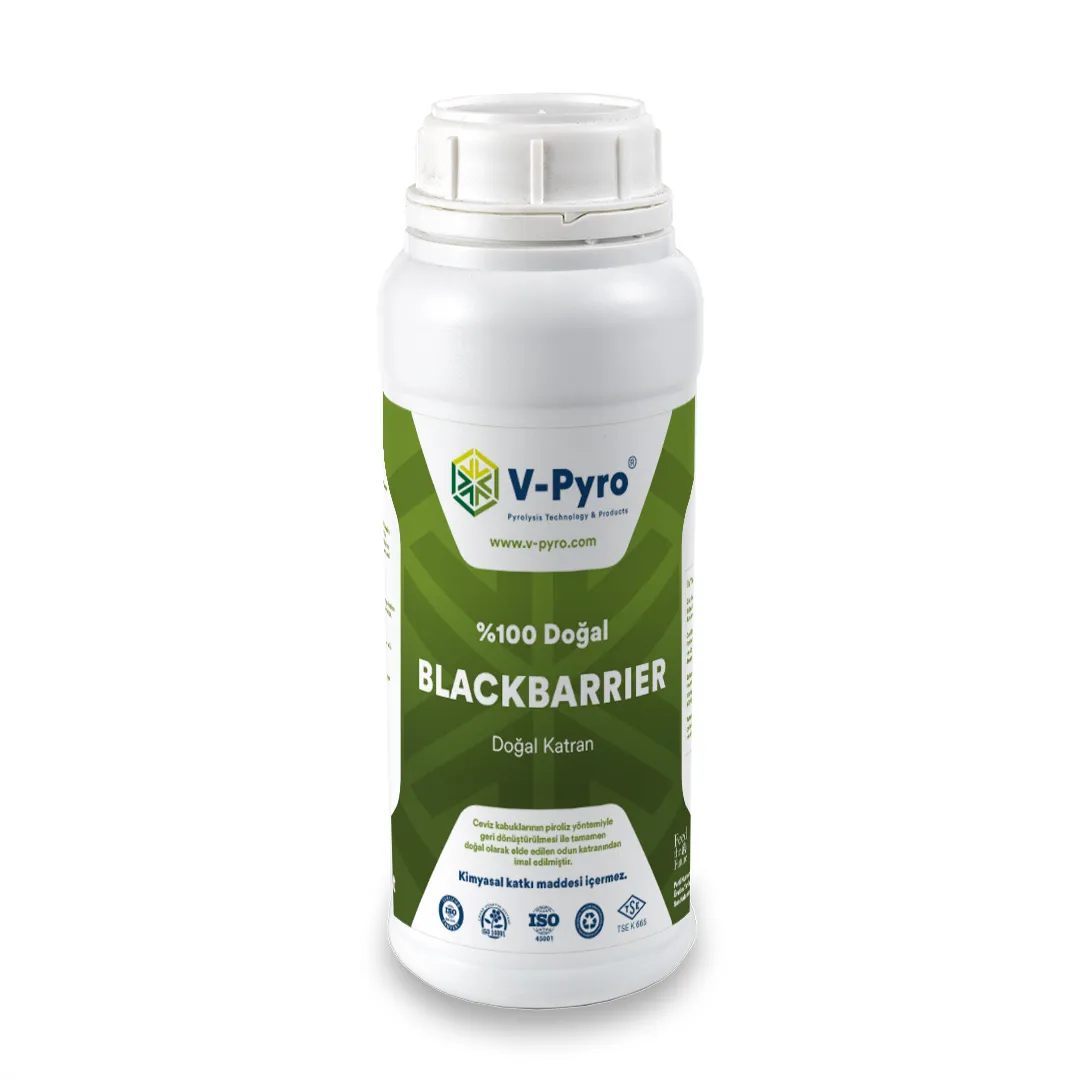
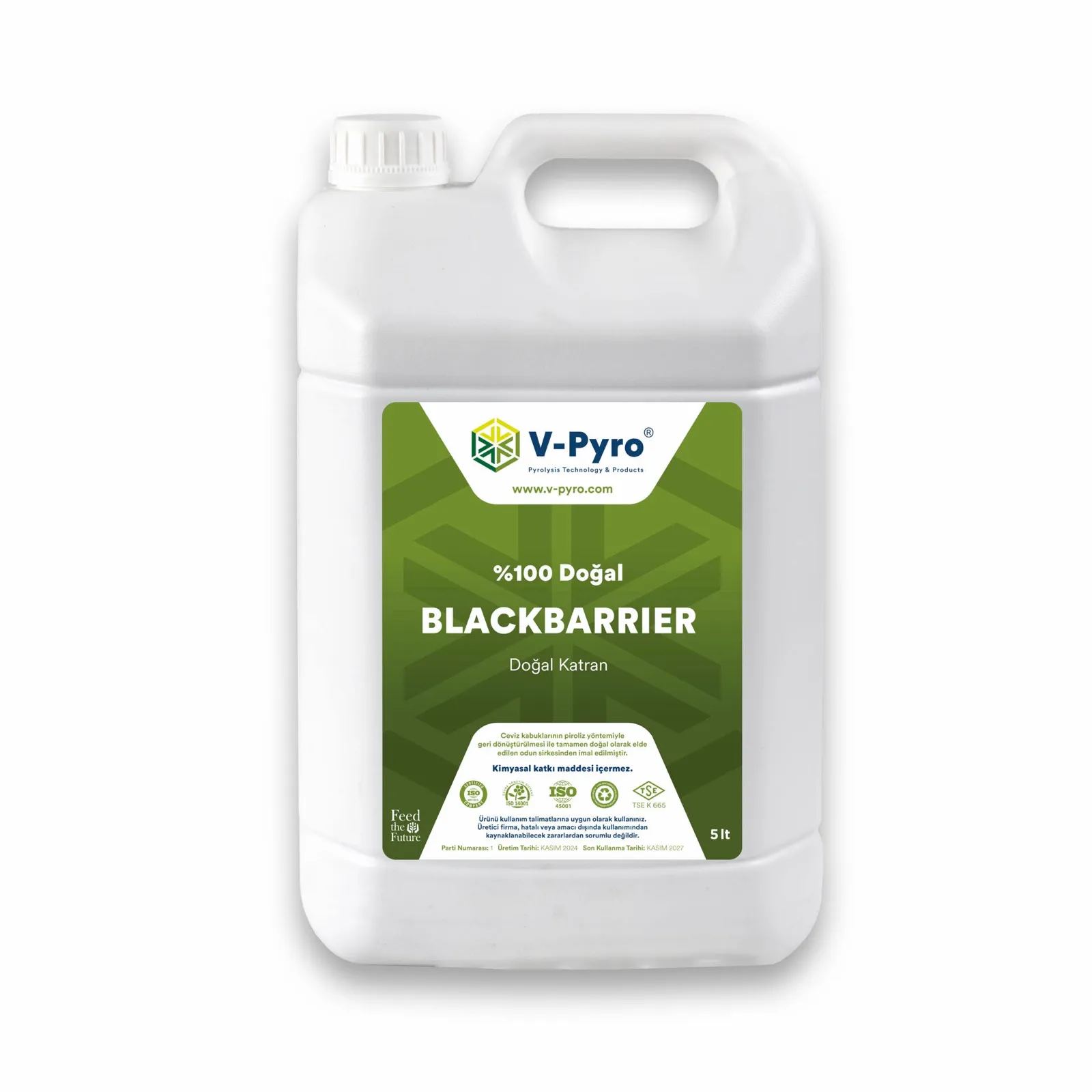
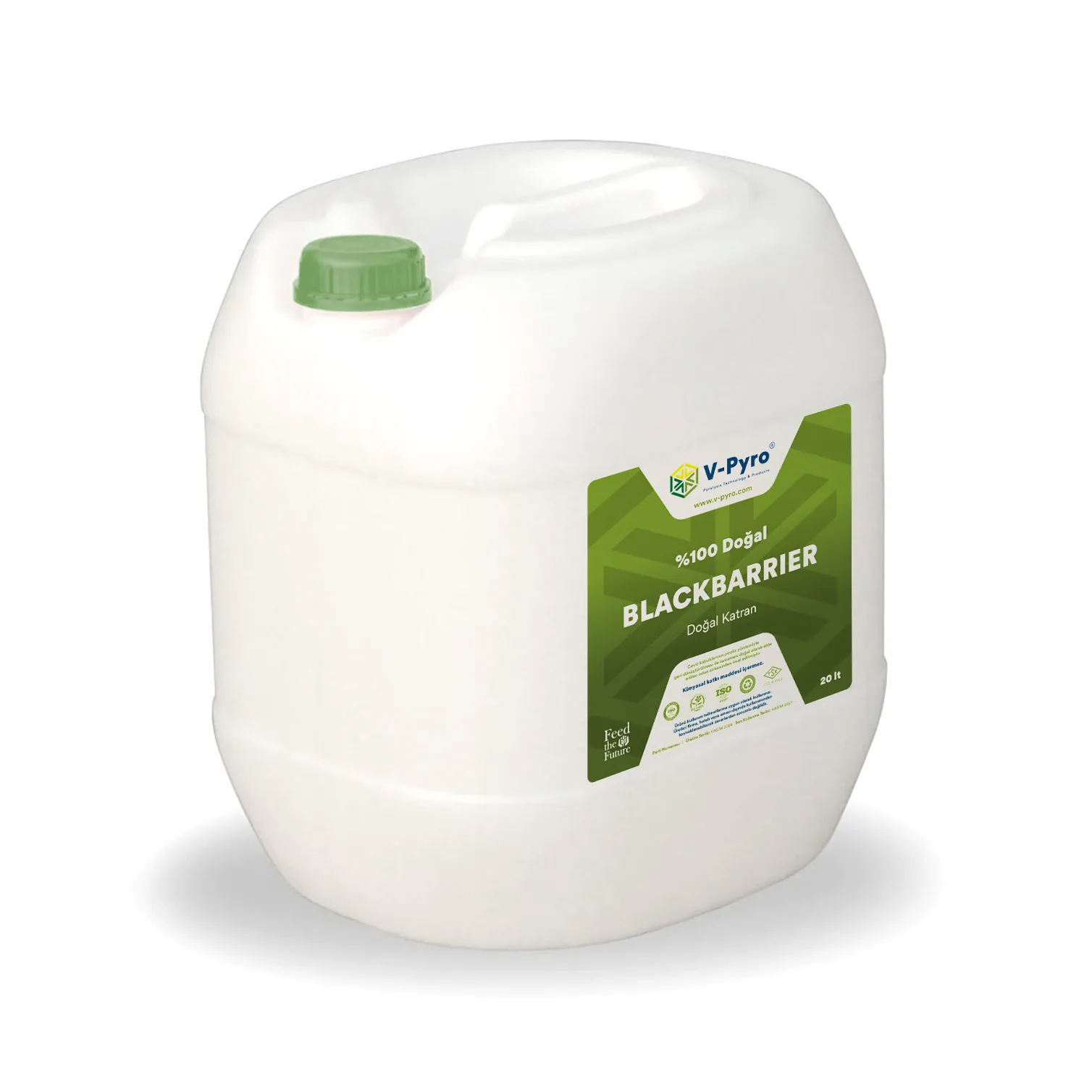
BLACKBARRIER
Natural Tar · Wood and Metal Protector
A 100% natural, viscous, dark-coloured wood tar with a distinctive odour, obtained through pyrolysis of organic agricultural waste (such as olive pits, walnut shells and apricot kernels). It gives wood and metal surfaces both physical protection and biological resistance, and is an eco-friendly alternative to chemical-based surface protectants.
- 60–70%Resinous fraction · coating and water repellency
- 24–72 hDrying time depending on air circulation
- 2–3 yearsRenewal interval on wood
What is BLACKBARRIER?
BLACKBARRIER is a natural, viscous, dark-coloured wood tar obtained through pyrolysis of organic agricultural waste such as olive pits, walnut shells and apricot kernels. It gives wood and metal surfaces physical protection and biological resistance: it repels water, prevents corrosion and deters insects. It is used on fences, barns, storage tanks, agricultural machinery and the underwater hulls of boats.
Penetrates wood, coats metal, repels water.
Used to give wood and metal surfaces both physical protection and biological resistance.
Wood preservative
Fences, barns, vineyard houses and agricultural structures.
Metal protector
Storage tanks, structural profiles, agricultural machinery.
Insect repellent
A natural deterrent against woodworms, moths, termites and similar pests.
Anti-corrosion
Forms a protective film on metal surfaces, especially in humid or marine environments.
Water repellency
Enhances durability against outdoor weather conditions.
Marine vessels
Used on the underwater hulls of boats, dinghies and fishing vessels as a biological protective coating against barnacles, algae and marine borers. Creates a traditional, natural anti-fouling layer on wooden boats.
Resins coat, phenols protect.
The resinous fraction, 60–70% of the product, provides coating, water repellency and long-term protection on the surface. Phenolic compounds (2–5%) add antiseptic and antifungal properties, and aromatic hydrocarbons help it penetrate wood and repel insects.
Qualitative composition (ingredient list)
| Component group | Constituent | Function |
|---|---|---|
| Aromatic hydrocarbons | Naphthalene, anthracene (trace) | Penetrates wood; insect-repellent effect |
| Phenolic compounds | Guaiacol, cresol, phenol (2–5%) | Antiseptic and antifungal properties |
| Organic acids | Acetic acid, formic acid (trace) | Mildly acidic, microbial suppression |
| High molecular weight resins | Polyaromatic fractions | Coating, water repellency, long-term protection |
| Volatile organic compounds | Esters, ketones (<0.5%) | Odour carrier, contributes to faster drying |
Quantitative composition (percentage breakdown)
| Component | Percentage (%) |
|---|---|
| Resinous fraction | 60–70 |
| Phenolic compounds | 2–5 |
| Volatile compounds | <0.5 |
| Organic acids | 0.5–1.5 |
| Water (natural moisture) | <5 |
Applied neat; thinned with 10–15% solvent if needed.
| Application | Rate | Frequency | Source |
|---|---|---|---|
| Wood surfacesFences, barns, vineyard houses, farm structuresProtection | Neat | Every 2–3 years | Manufacturer's recommendation |
| Metal surfacesTanks, profiles, farm machineryProtection | Neat | Annual inspection | Manufacturer's recommendation |
| DilutionCan be diluted with solvent if necessaryProtection | 10–15% solvent | — | Manufacturer's recommendation |
On a clean, dry surface, by brush, roller or spray.
- 01
Prepare the surface
Surfaces should be clean and dry before application.
- 02
Dilute if needed
If necessary, dilute with solvents at a rate of 10–15%.
- 03
Apply
Apply by brush, roller or spray. Drying takes 24–72 hours depending on air circulation.
- 04
Renew
Renew every 2–3 years on wood; an annual inspection is recommended for metal surfaces.
Safety information
- Signal word
- Danger
- Hazard statements
- H301 Toxic if swallowed.
- H311 Toxic in contact with skin.
- H314 Causes severe skin burns and eye damage.
- H317 May cause an allergic skin reaction.
- H332 Harmful if inhaled.
- H341 Suspected of causing genetic defects.
- H373 May cause damage to organs through prolonged or repeated exposure.
- H412 Harmful to aquatic life with long lasting effects.
- Precautionary statements
- P201 Obtain special instructions before use.
- P261 Avoid breathing vapours.
- P264 Wash hands thoroughly after handling.
- P301+P330+P331 IF SWALLOWED: Rinse mouth. Do NOT induce vomiting.
- P303+P361+P353 IF ON SKIN (or hair): Take off immediately all contaminated clothing. Rinse skin with water/shower.
- P304+P340 IF INHALED: Remove person to fresh air and keep comfortable for breathing.
- P305+P351+P338 IF IN EYES: Rinse cautiously with water for several minutes. Remove contact lenses, if present and easy to do. Continue rinsing.
- P312 Call a POISON CENTER/doctor if you feel unwell.
- P501 Dispose of contents/container in accordance with national regulations.
Waterproofing, biological resistance and anti-fouling.

The phenolic and aromatic compounds in wood tar deeply penetrate surfaces, providing both waterproofing and protection against biological degradation. Studies have shown that these natural tars exhibit anti-fouling effects against marine organisms (Kakuta et al., 2020), helping protect submerged surfaces from biofouling. It is also a non-toxic yet effective insect control solution for agricultural structures.
Kakuta et al., 2020
 Industry
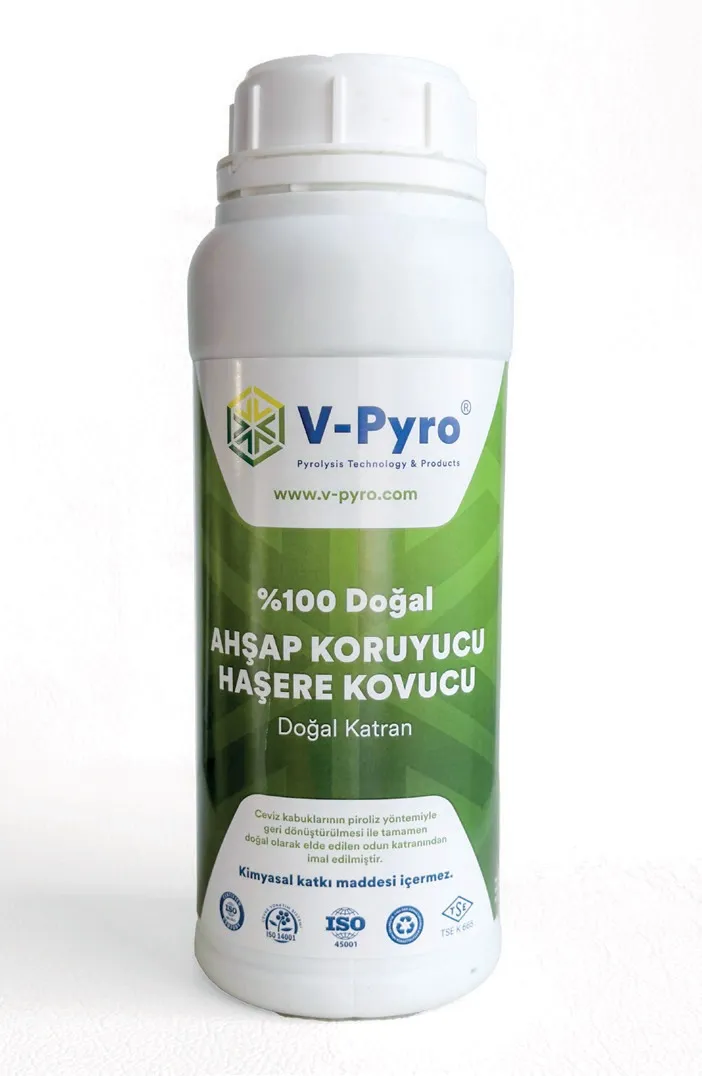
Wood Protector / Pest Repellent
Natural tar that protects wood against decay, fungi and wood-boring pests.
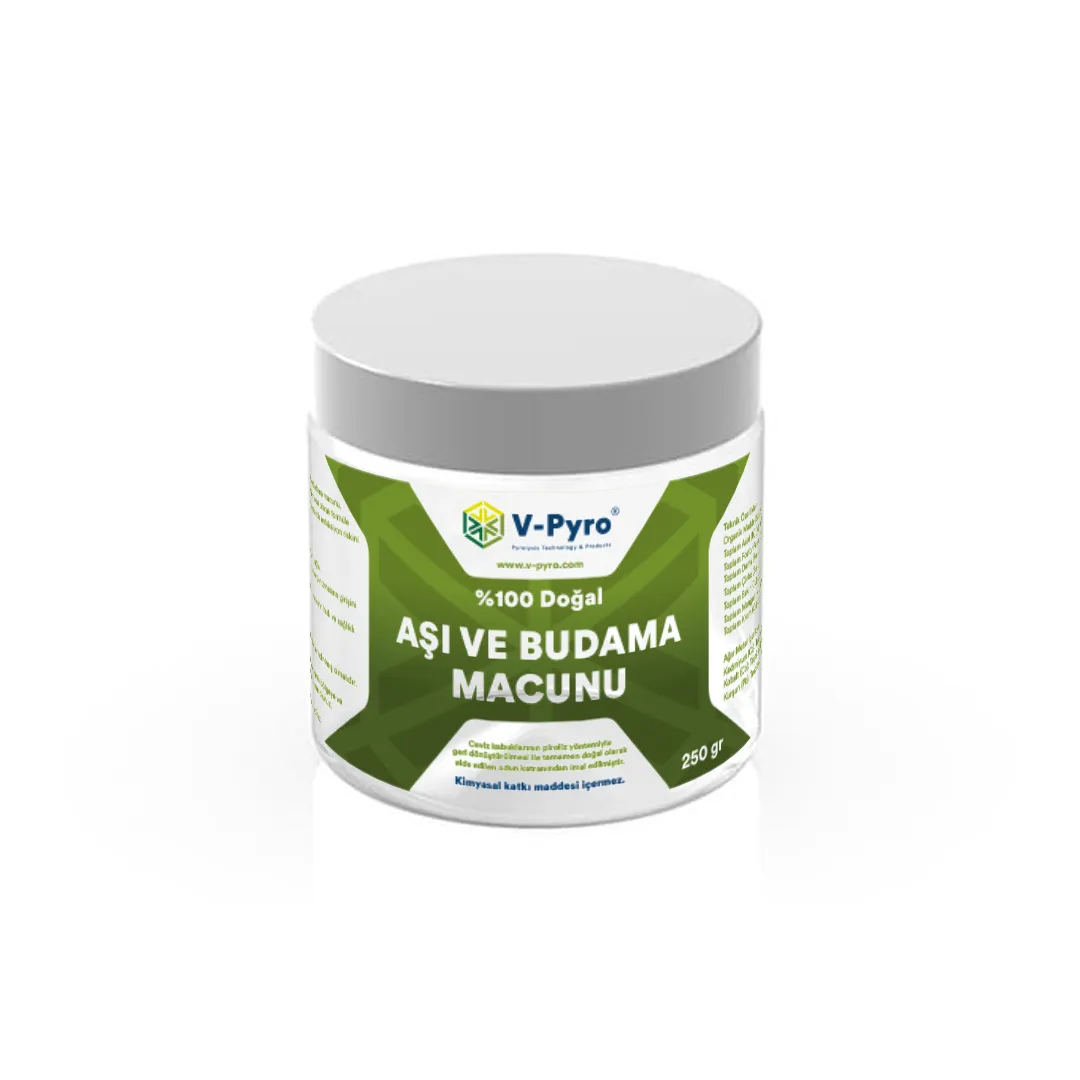 Agriculture and soil
Grafting / Pruning Paste
Natural wood-tar paste that seals graft sites and pruning cuts.
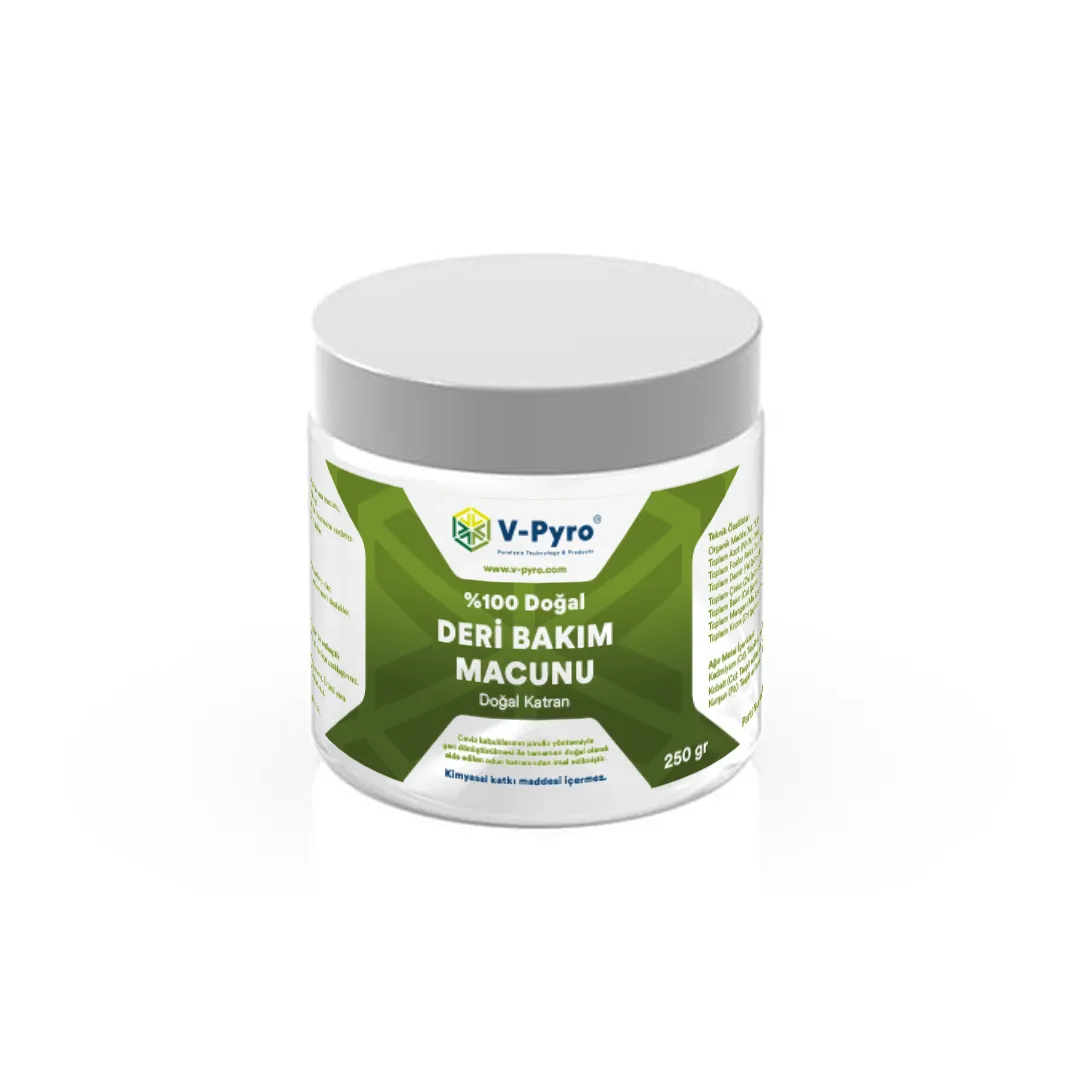 Livestock
Skin Care Paste
Wood-tar-based care paste for skin cracks, irritation and hoof problems.
Try it in the field.
Request a sample or find your nearest authorised dealer.