
Agriculture and soil
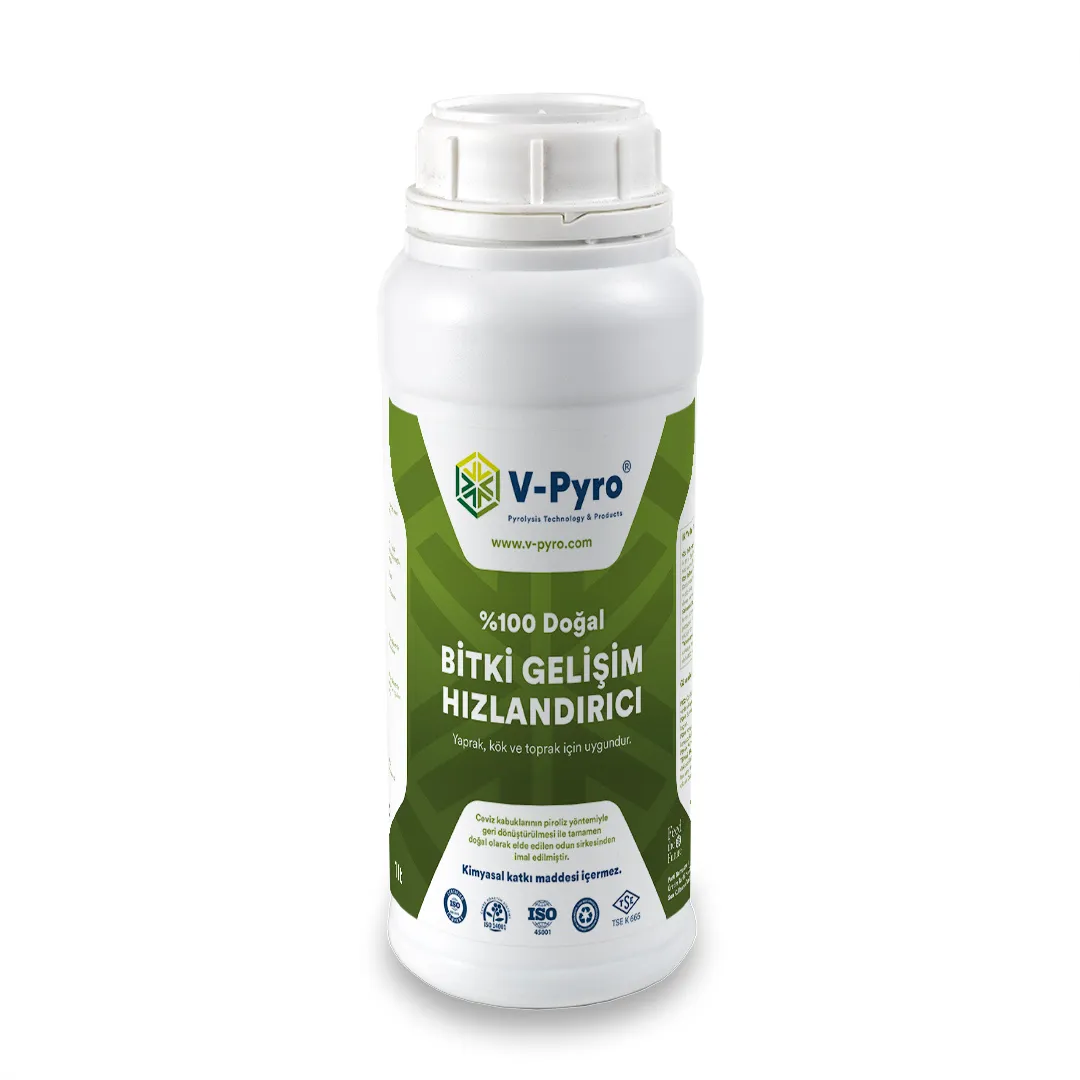
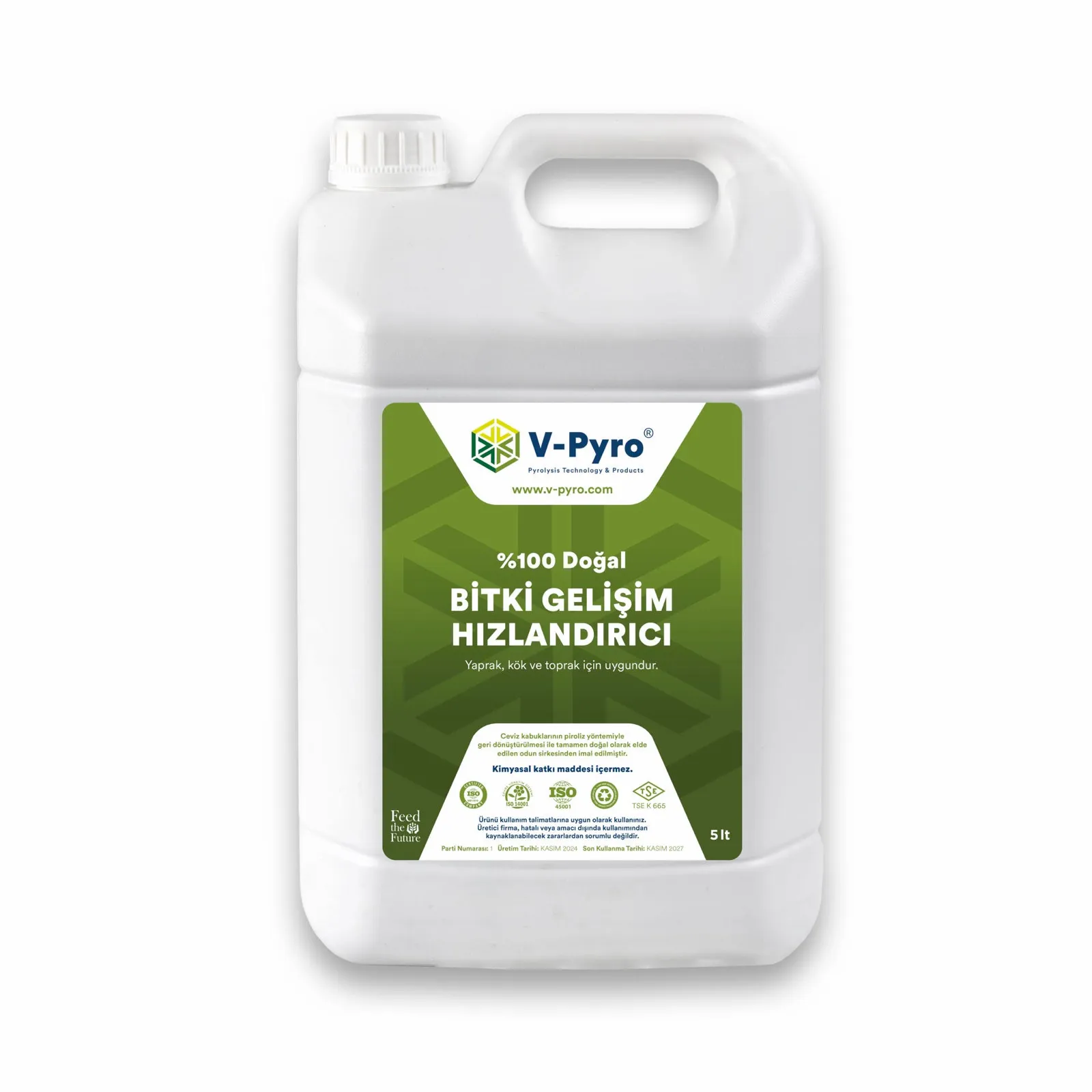
Plant Growth Regulator
Wood Vinegar · For leaves, roots and soil
A completely natural wood vinegar obtained from agricultural waste such as olive pits, walnut shells and apricot kernels. It contains components that support plant growth and resistance mechanisms, and is applied to the soil or the leaves.
- 1:300Foliar dilution · every 15–20 days
- 1:500Soil dilution · via drip irrigation
- 100%Natural · no synthetic growth hormones
What is Plant Growth Regulator?
Plant Growth Regulator is a completely natural wood vinegar obtained through the pyrolysis of agricultural waste such as olive pits, walnut shells and apricot kernels. It contains components that support plant growth and resistance mechanisms but no synthetic growth hormones. In agriculture it is applied to the soil or leaves to support root, leaf and fruit development.
From seedling to fruit, from root to leaf.
Pyroligneous acid (wood vinegar), a completely natural liquid obtained through low-temperature pyrolysis of lignocellulosic agricultural waste such as olive pits, walnut shells and apricot kernels, contains components that support plant growth and resistance mechanisms. It can be applied to the soil or the leaves as a plant growth regulator.
Root development
Stimulates root development in seedlings.
Leaf growth
Supports leaf growth and deepens leaf colour.
Photosynthesis
Increases photosynthetic capacity.
Soil microbiota
Revitalises soil microbiota and enhances biological activity.
Stress tolerance
Improves plant resistance to stress conditions such as drought and salinity.
Fruit set
Enhances fruit set and increases yield.
Nutrient uptake
Facilitates nutrient uptake from the soil, especially nitrogen and phosphorus.
Acetic acid, phenols and organic acids; no synthetic hormones.
Pyroligneous acid is a complex mixture obtained by condensing the liquid compounds released during the pyrolysis of woody materials in an oxygen-free environment. Each group of components works in the plant through a different mechanism.
- Feedstock
- Olive pits, walnut shells, apricot kernels
- Main component
- Acetic acid
- Application
- Leaves and soil
- Content
- No synthetic hormones
Composition (qualitative and quantitative structure)
| Component | Ratio (%) | Mechanism of action |
|---|---|---|
| Acetic acid (CH₃COOH) | 3.0 – 5.5 | Enhances cell wall permeability, promotes root development |
| Phenolic compounds | 0.3 – 1.2 | Antimicrobial, enhances stress resistance |
| Organic acids (propionic, butyric, lactic) | 0.2 – 0.5 | Stimulates soil microbiota |
| Esters, ketones, aldehydes | <0.3 | Activates plant metabolism |
| Water | 90 – 95 | Carrier substance |
1:300 on the leaf, 1:500 in the soil.
Because pyroligneous acid contains naturally occurring but potent compounds, the amount used and the dilution rate are crucial. Low doses have a stimulating effect, while high doses may have a suppressive effect; controlled application is therefore strongly recommended.
| Application | Rate | Frequency | Source |
|---|---|---|---|
| Foliar application1 L product + 300 L water · sprayed in the cool hours of morning or eveningGrowth | 1:300 | Every 15–20 days | Manufacturer's recommendation |
| Soil applicationVia drip irrigation · particularly effective at seedling planting and before floweringGrowth | 1:500 | — | Manufacturer's recommendation |
Use lower doses during the flowering stage.
Dilute, apply in the cool hours, repeat every 15–20 days.
- 01
Dilute
For foliar use, add 1 L of product to 300 L of water; for soil use, add 1 L of product to 500 L of water.
- 02
Spray the leaves
Spray the solution onto the leaves during the cool hours of morning or evening.
- 03
Feed the soil
Apply the soil solution via drip irrigation; it is particularly effective at seedling planting and before flowering.
- 04
Repeat
Repeat the foliar application every 15–20 days.
Usage warnings
- Do not use undiluted; always dilute with water before application.
- Use lower doses during the flowering stage.
- Do not mix with chemical fertilisers or pesticides at the same time.
Safety information
- Signal word
- Warning
- Hazard statements
- H315 Causes skin irritation.
- H319 Causes serious eye irritation.
- Precautionary statements
- P264 Wash hands thoroughly after handling.
- P302+P352 IF ON SKIN: Wash with plenty of water.
- P305+P351+P338 IF IN EYES: Rinse cautiously with water for several minutes. Remove contact lenses, if present and easy to do. Continue rinsing.
Widely used in Japan, South Korea and China.

15–25%
Reported increase in seedling growth. The organic acids and phenolic compounds in wood vinegar provide benefits such as allelopathic effects, increased stress tolerance and activation of soil organisms in plants. The use of such products is widespread in Japan, South Korea and China.
Kojima et al., 2012; Park & Kim, 2017
 Agriculture and soil
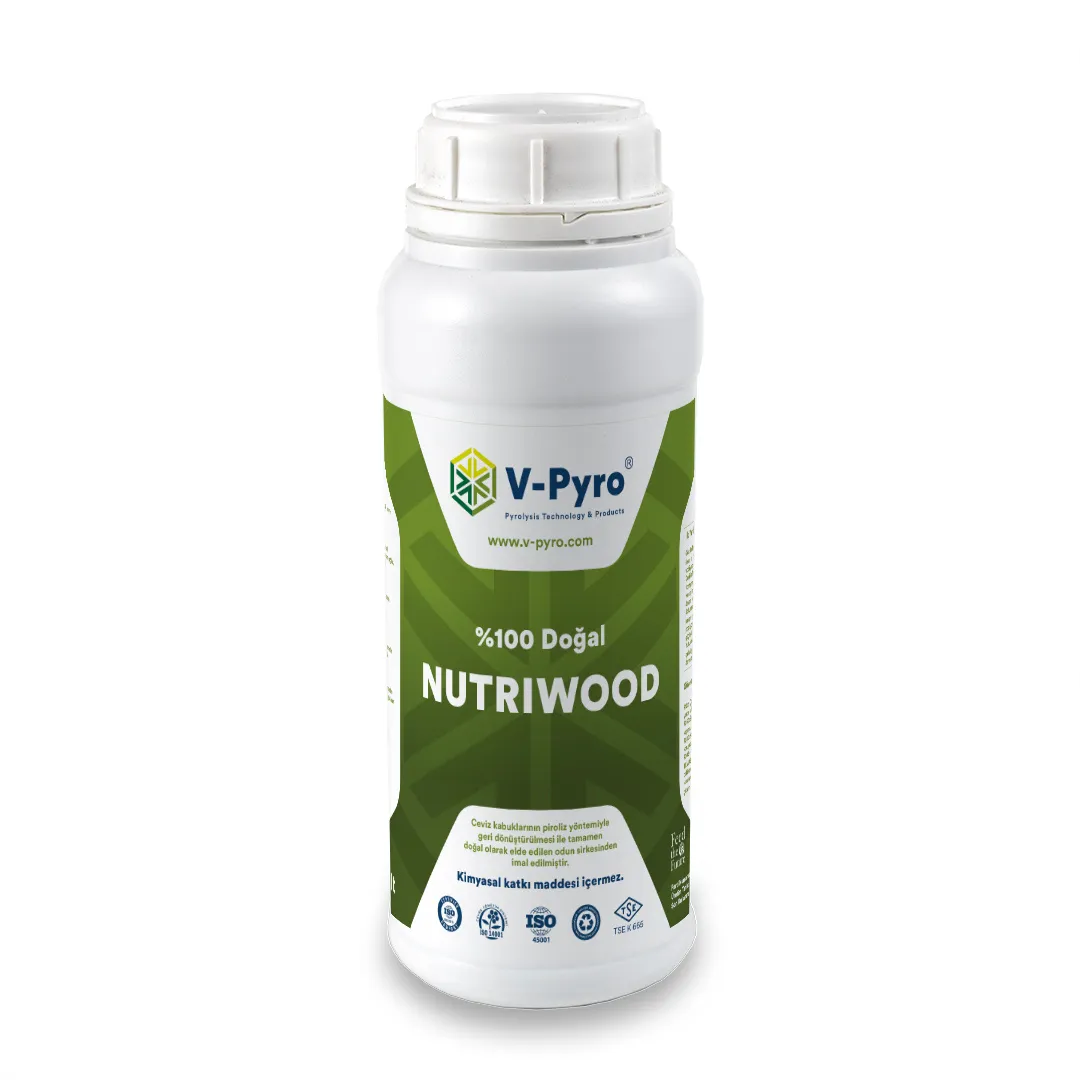
NUTRIWOOD
Wood-vinegar plant nutrition additive for organomineral fertiliser systems.
 Agriculture and soil
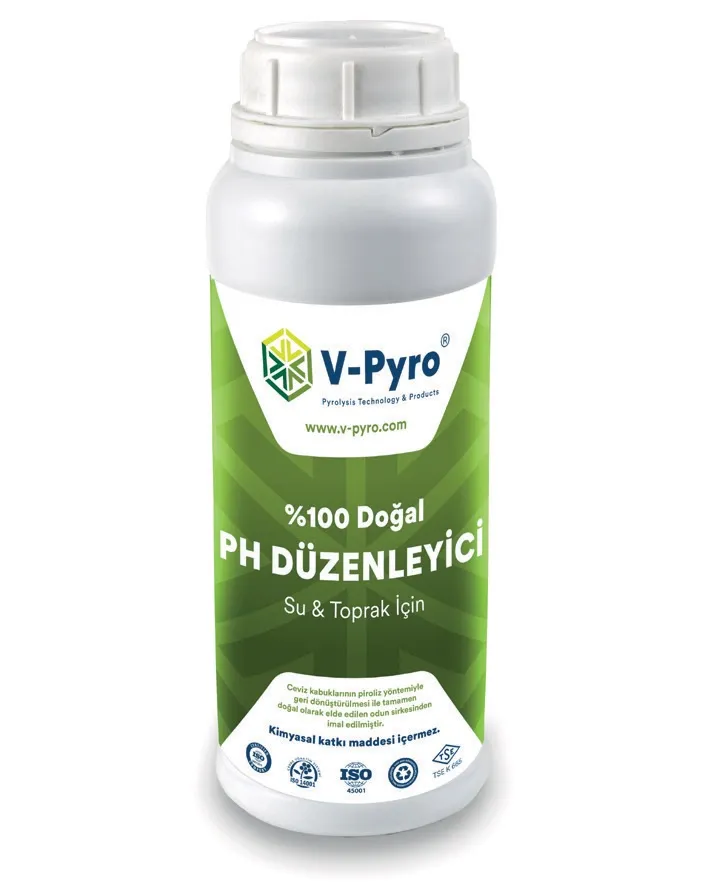
pH Regulator
Natural wood-vinegar pH regulator for soil, foliar and hydroponic use.
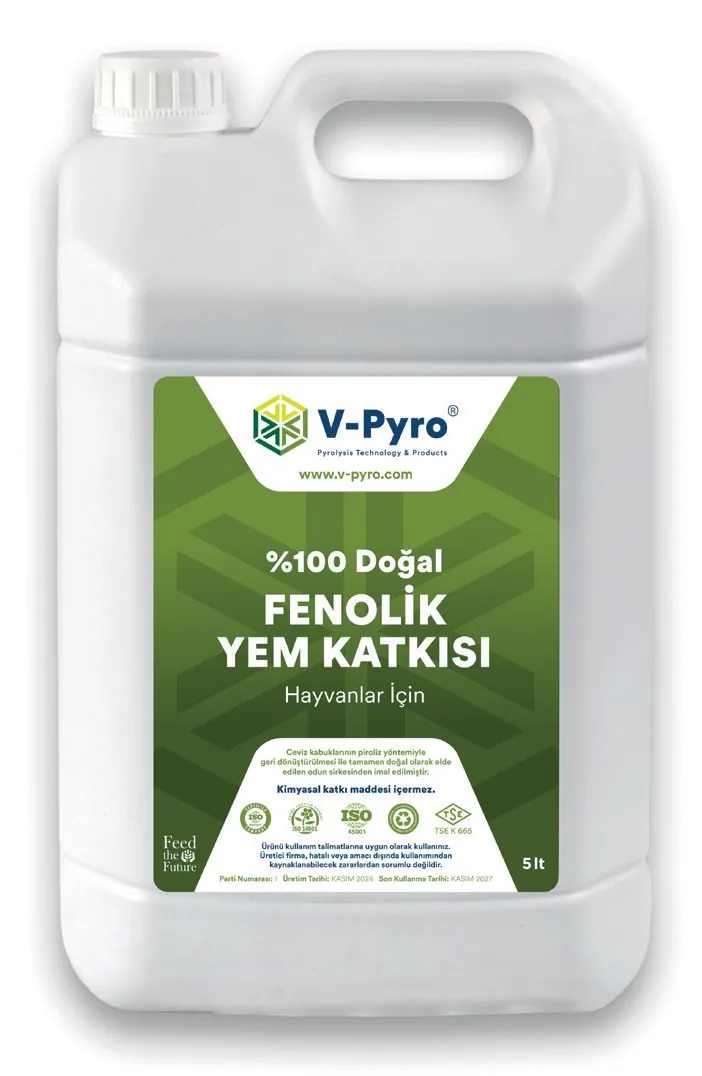 Livestock
Phenolic Feed Additive
Wood-vinegar based natural feed additive for drinking water.
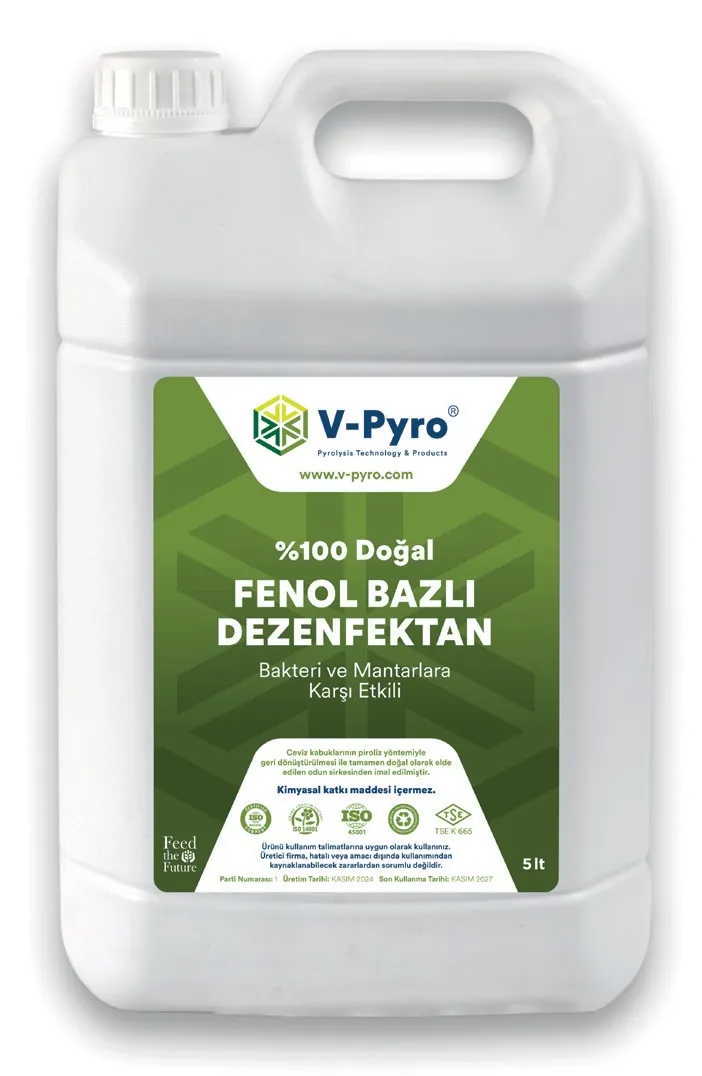 Hygiene
Phenol-Based Natural Disinfectant
Wood-vinegar based natural disinfectant for barns, surfaces and equipment.
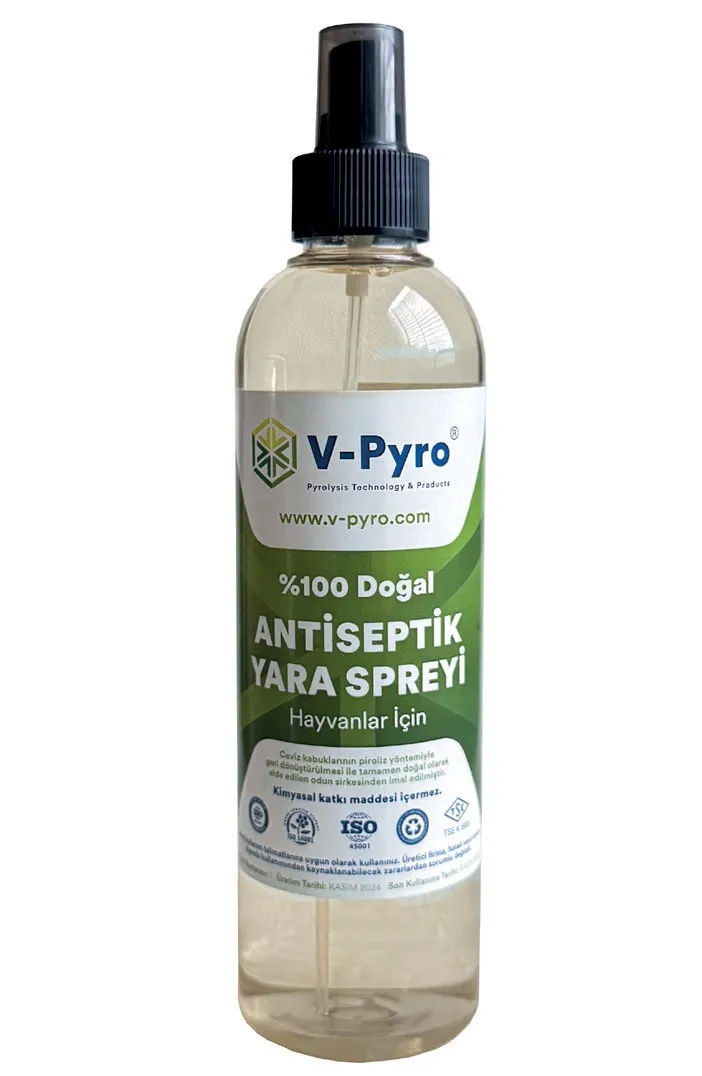 Livestock
Skin Care Spray
Wood-vinegar based wound and skin care spray for animals.
Try it in the field.
Request a sample or find your nearest authorised dealer.