Our Products
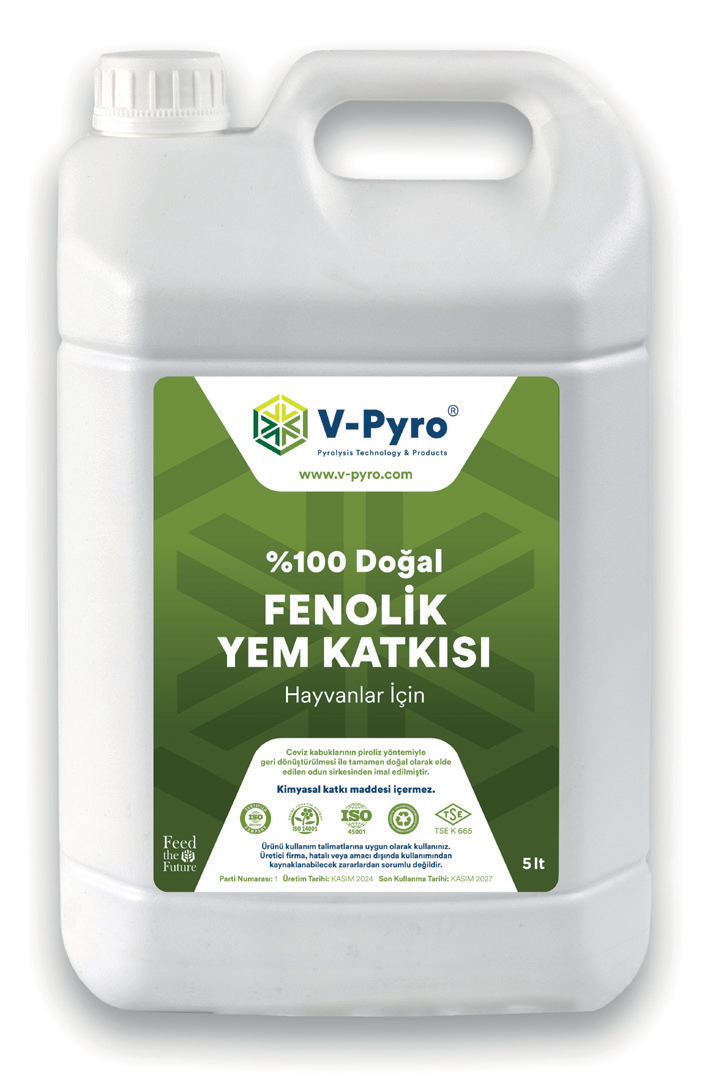
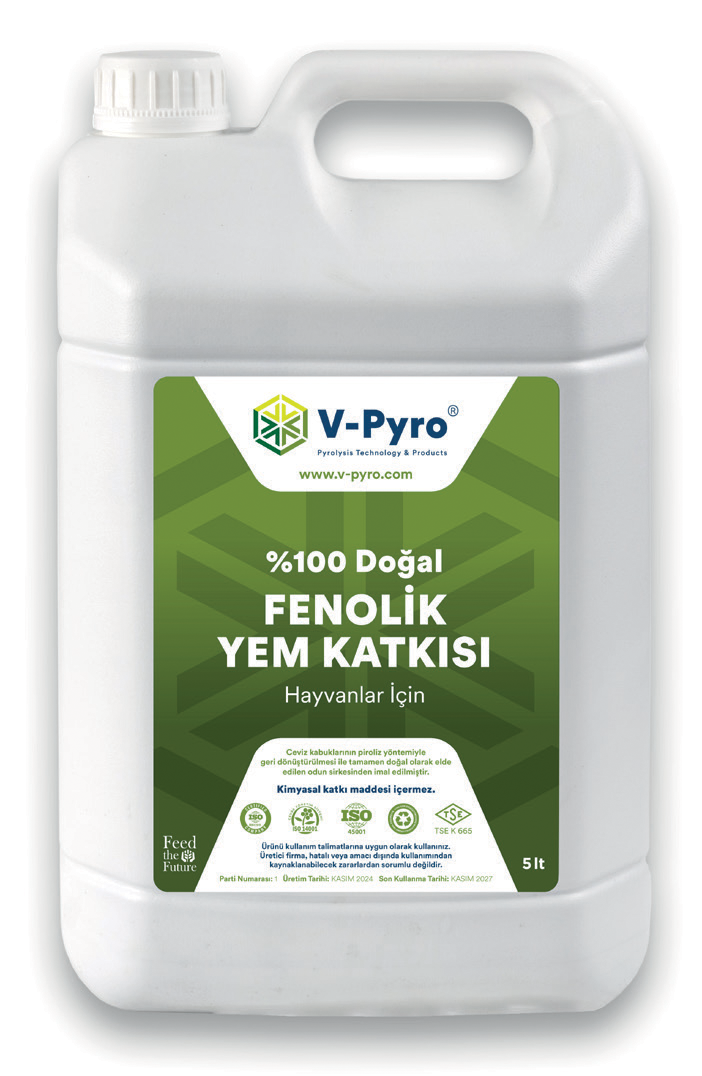
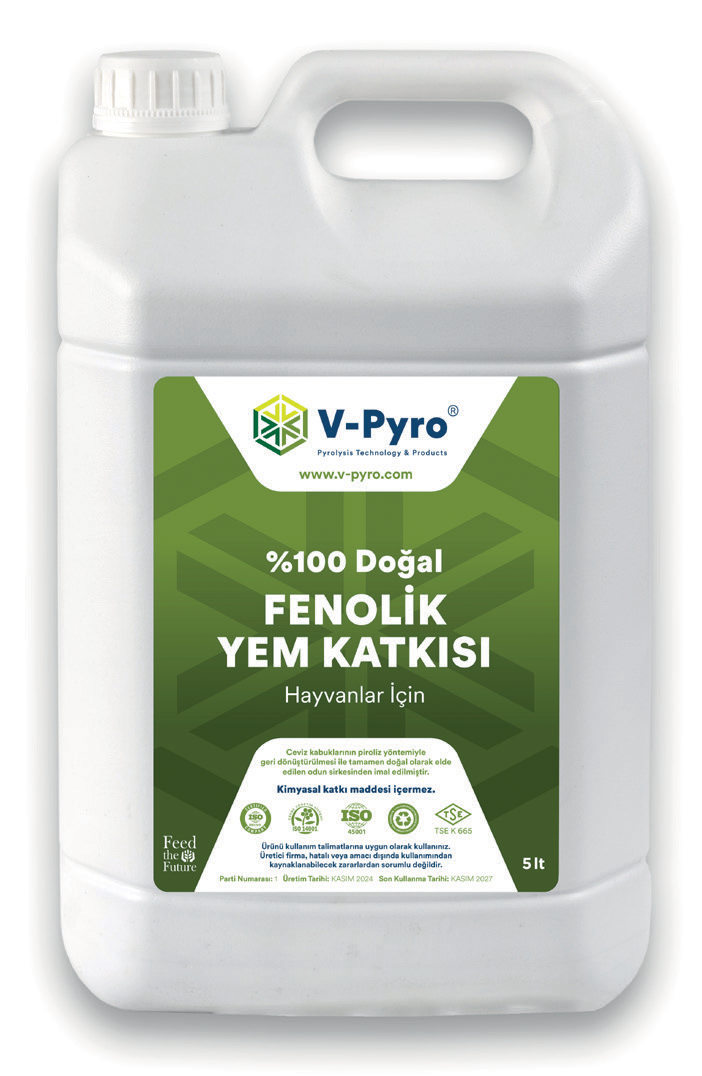
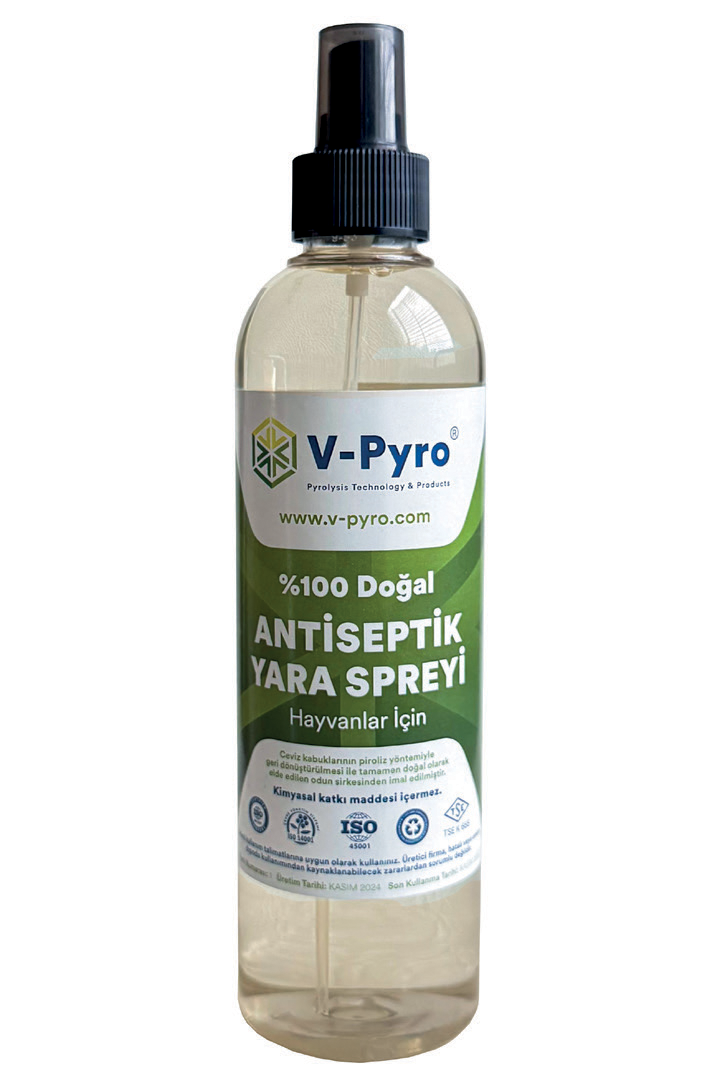
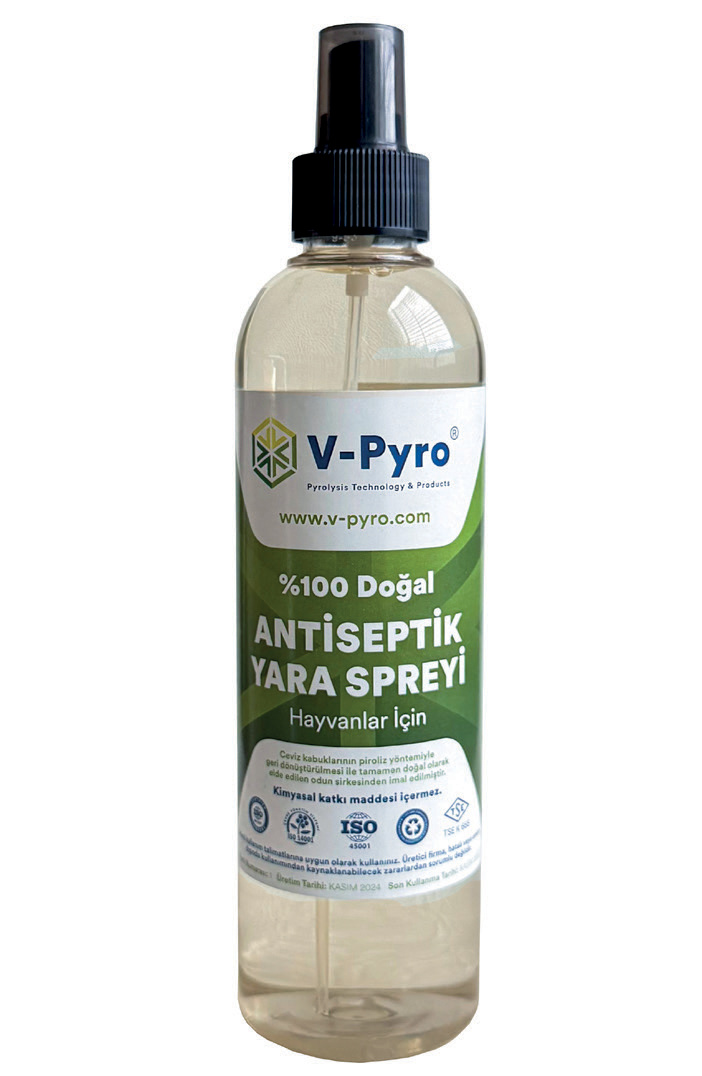
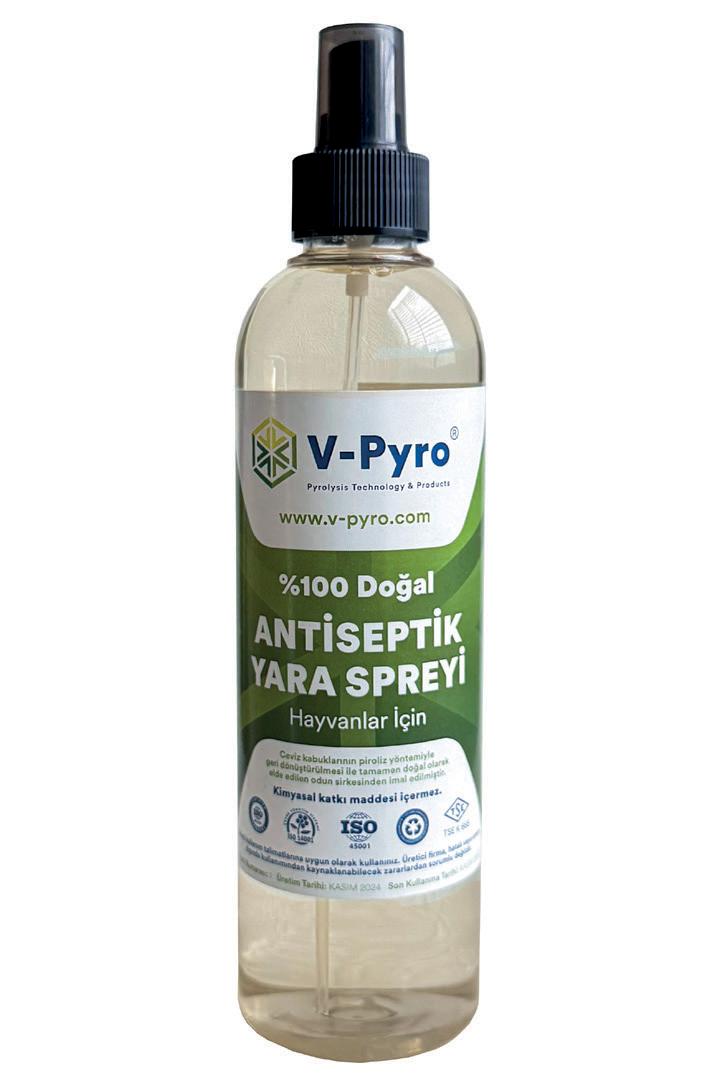
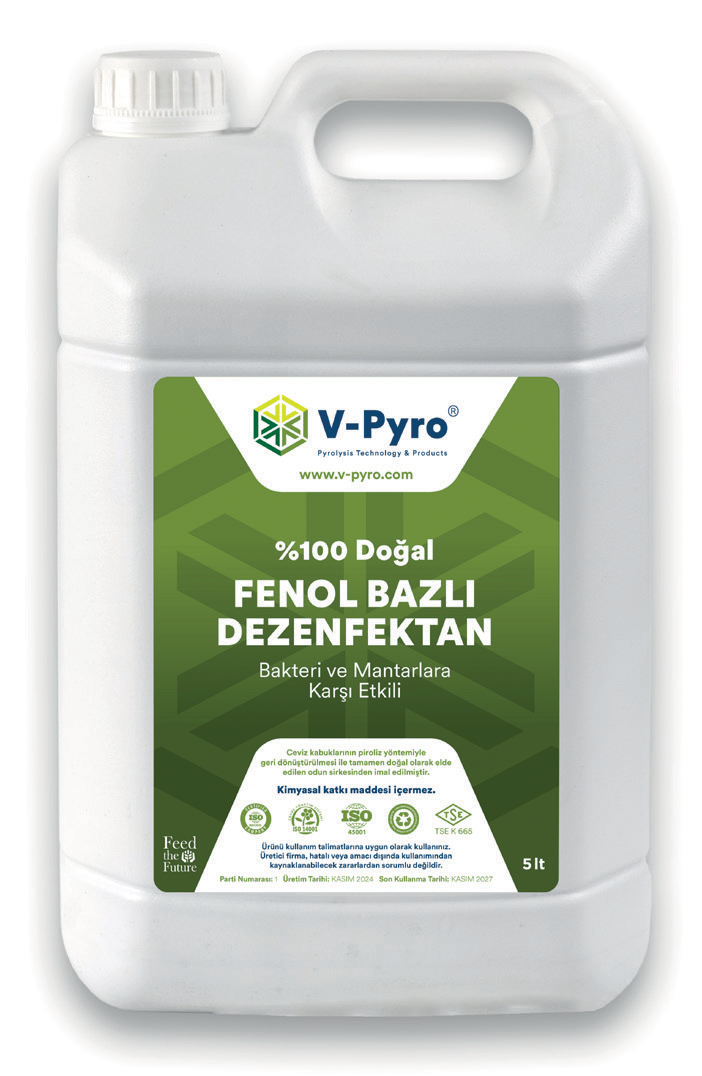
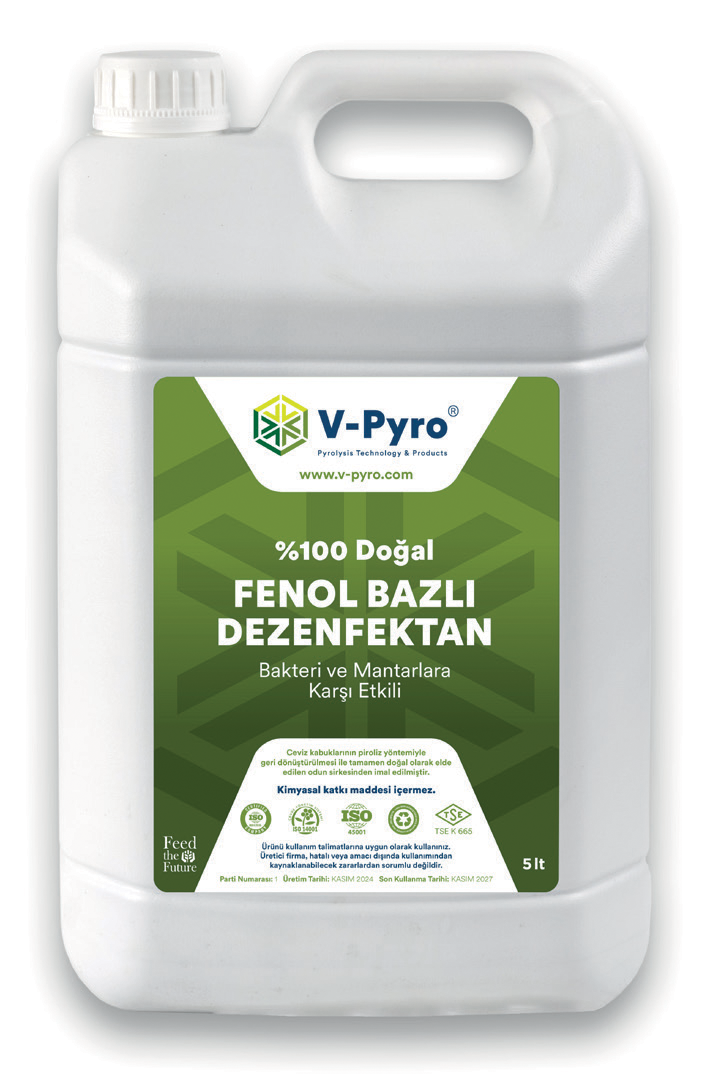
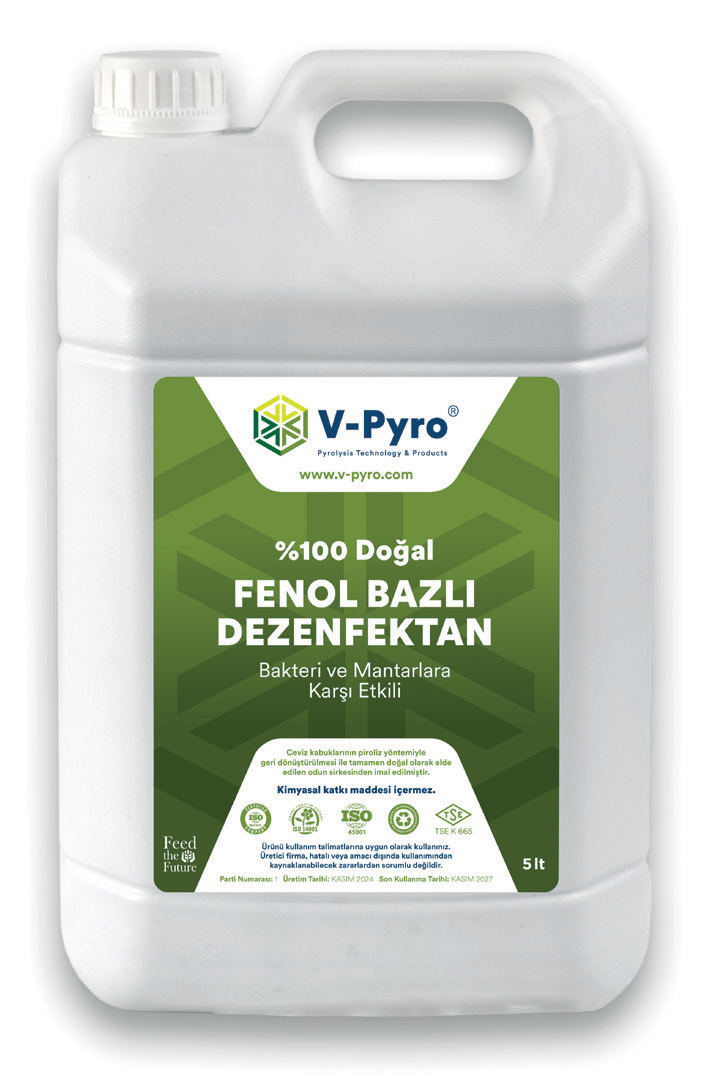
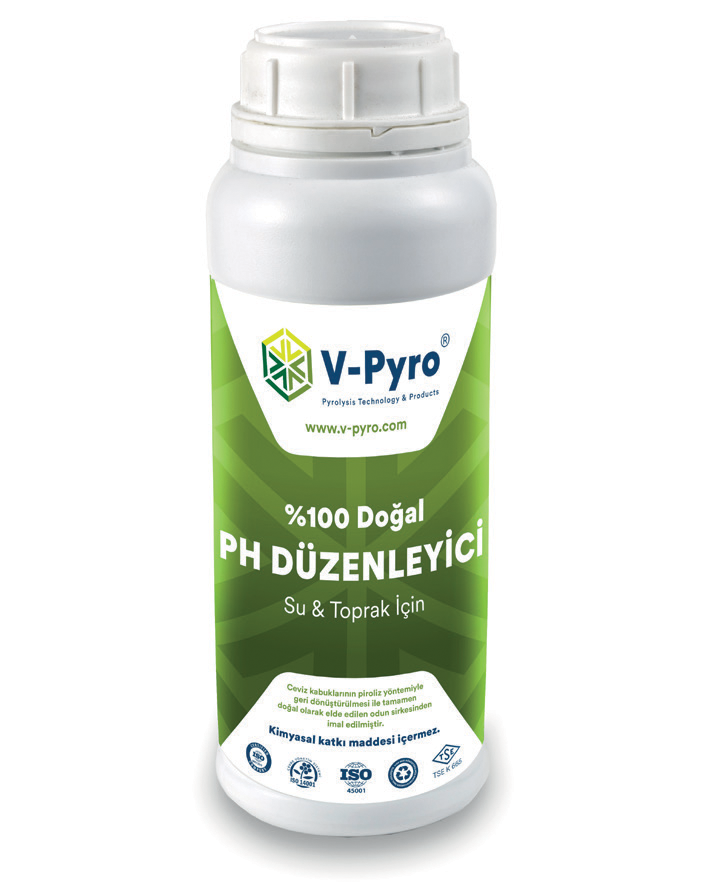
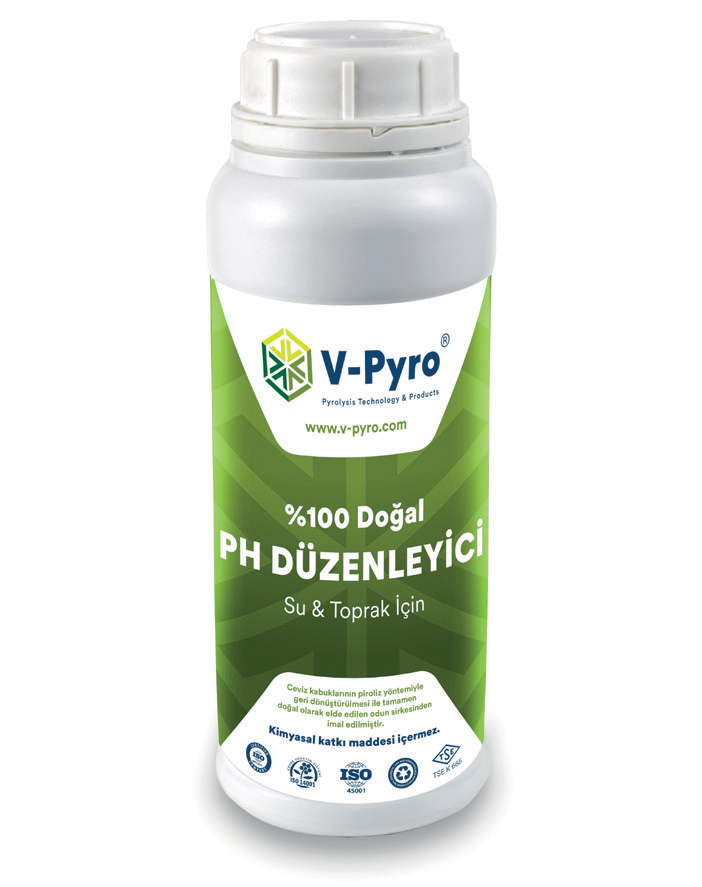
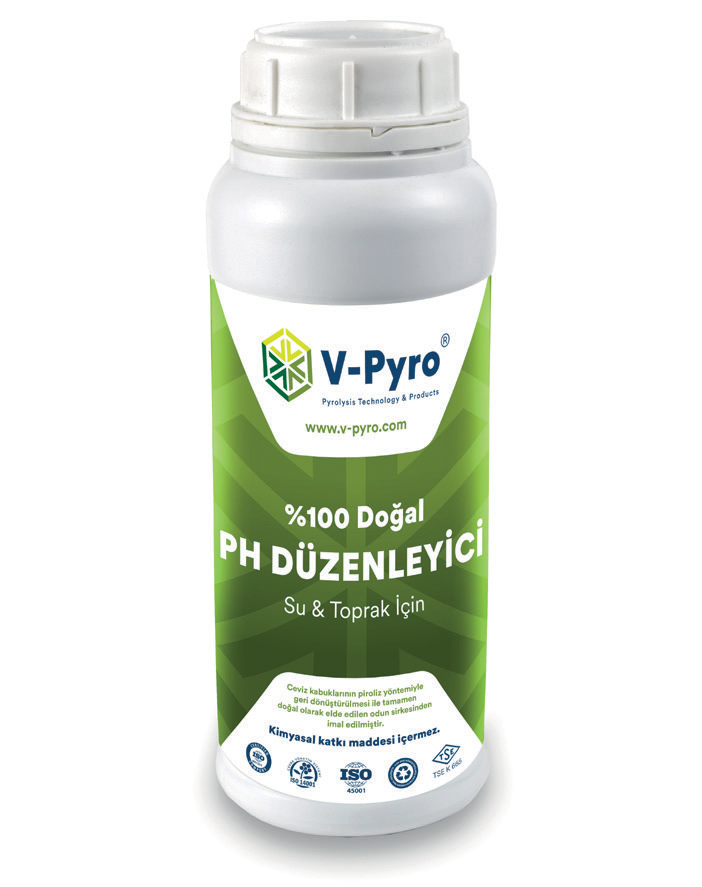
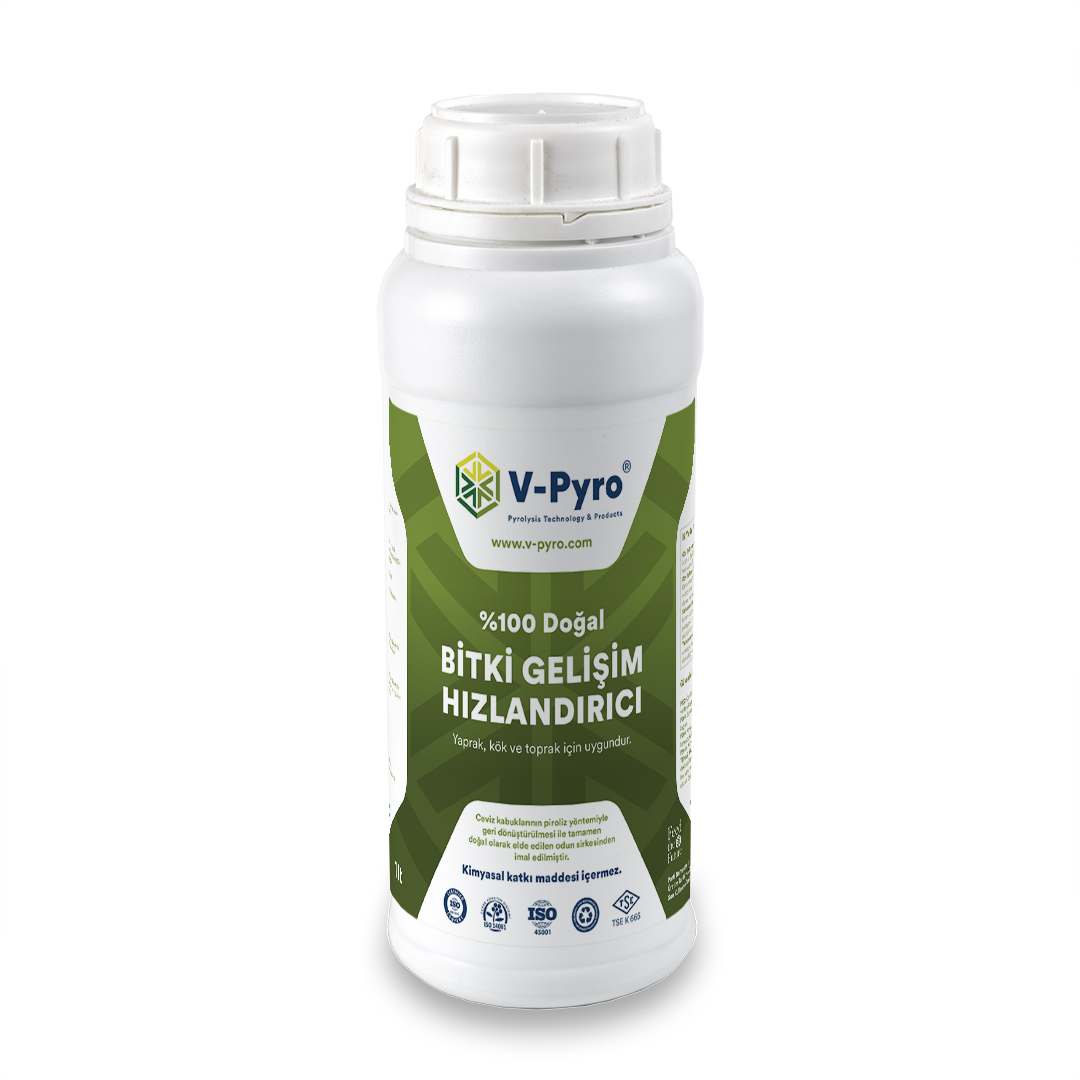
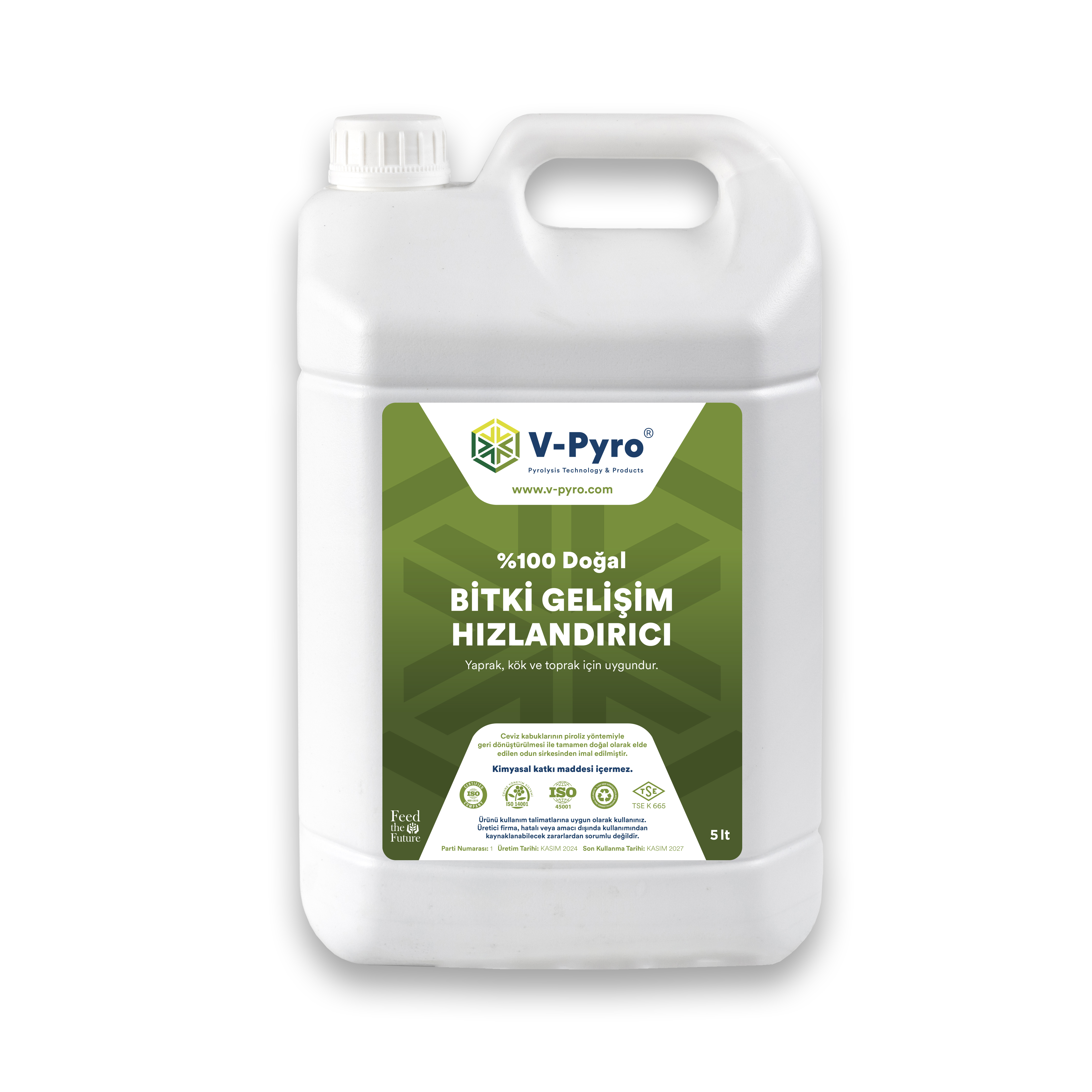
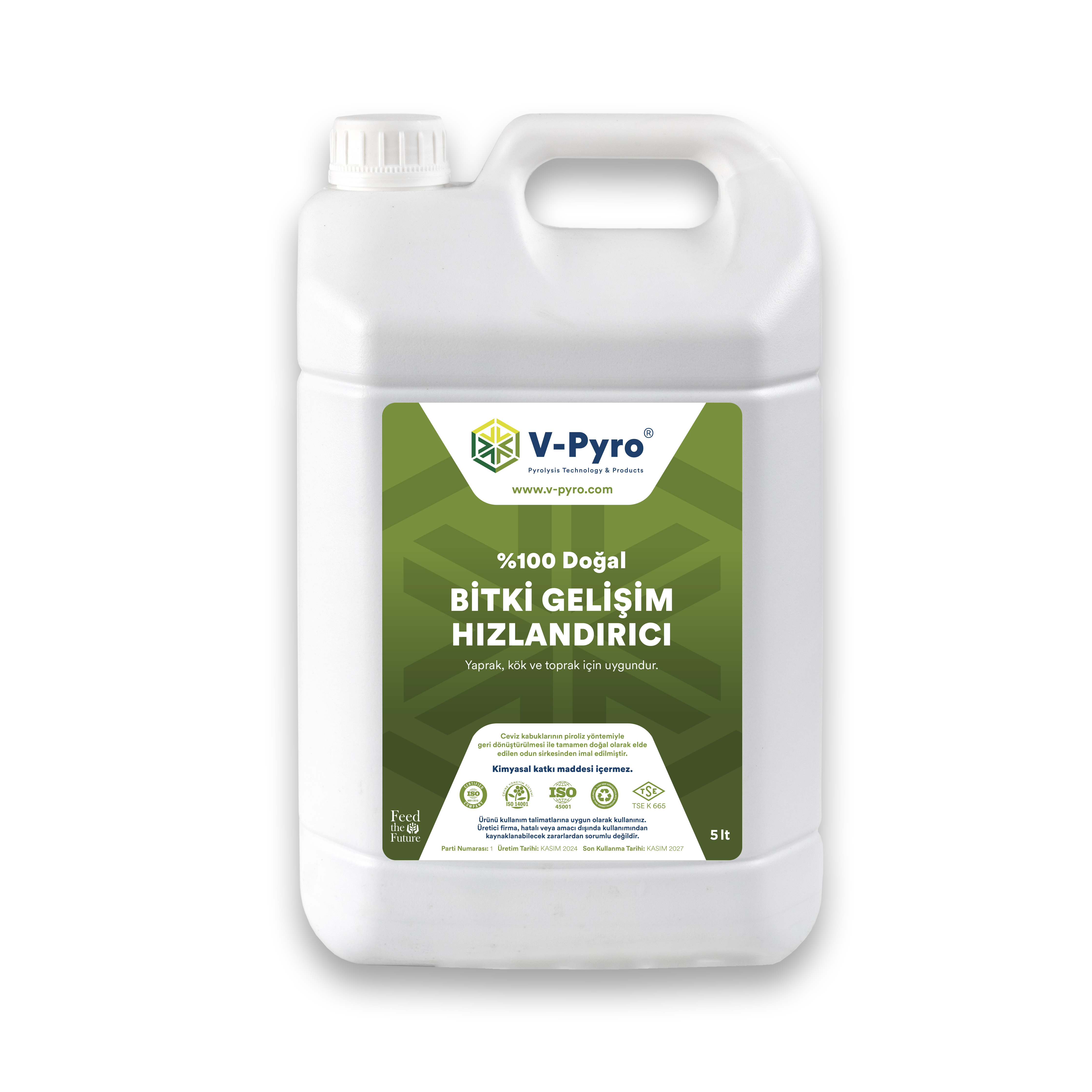
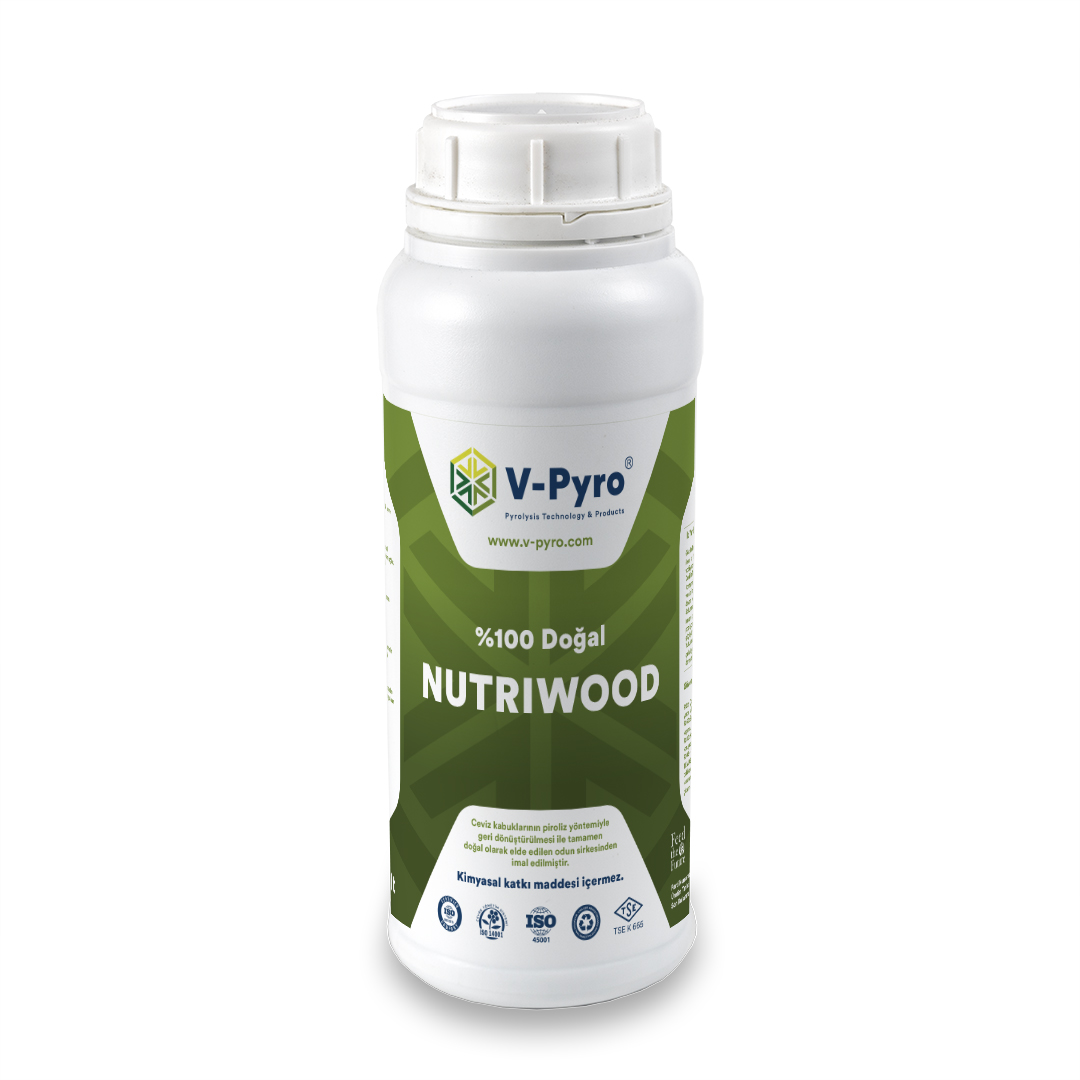
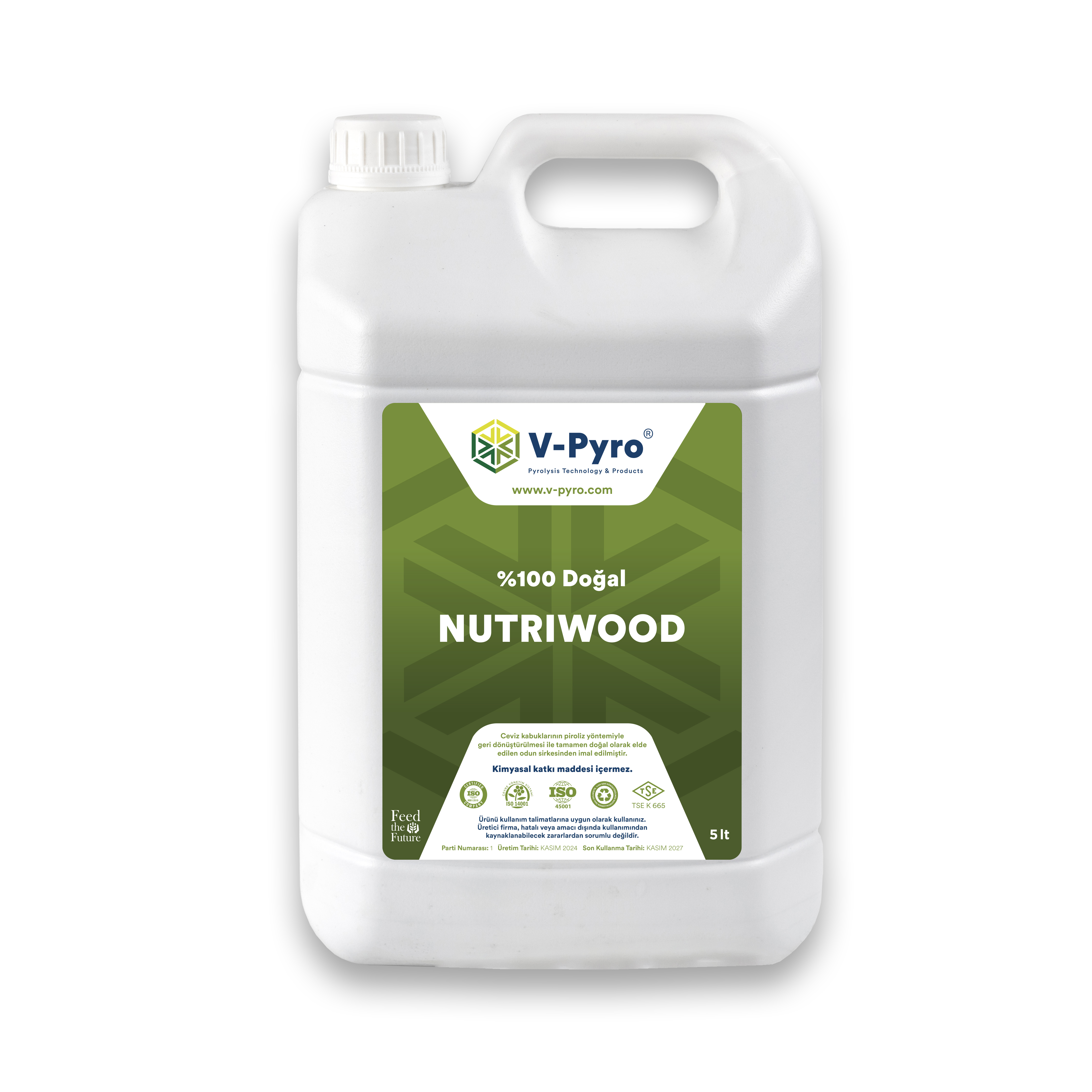
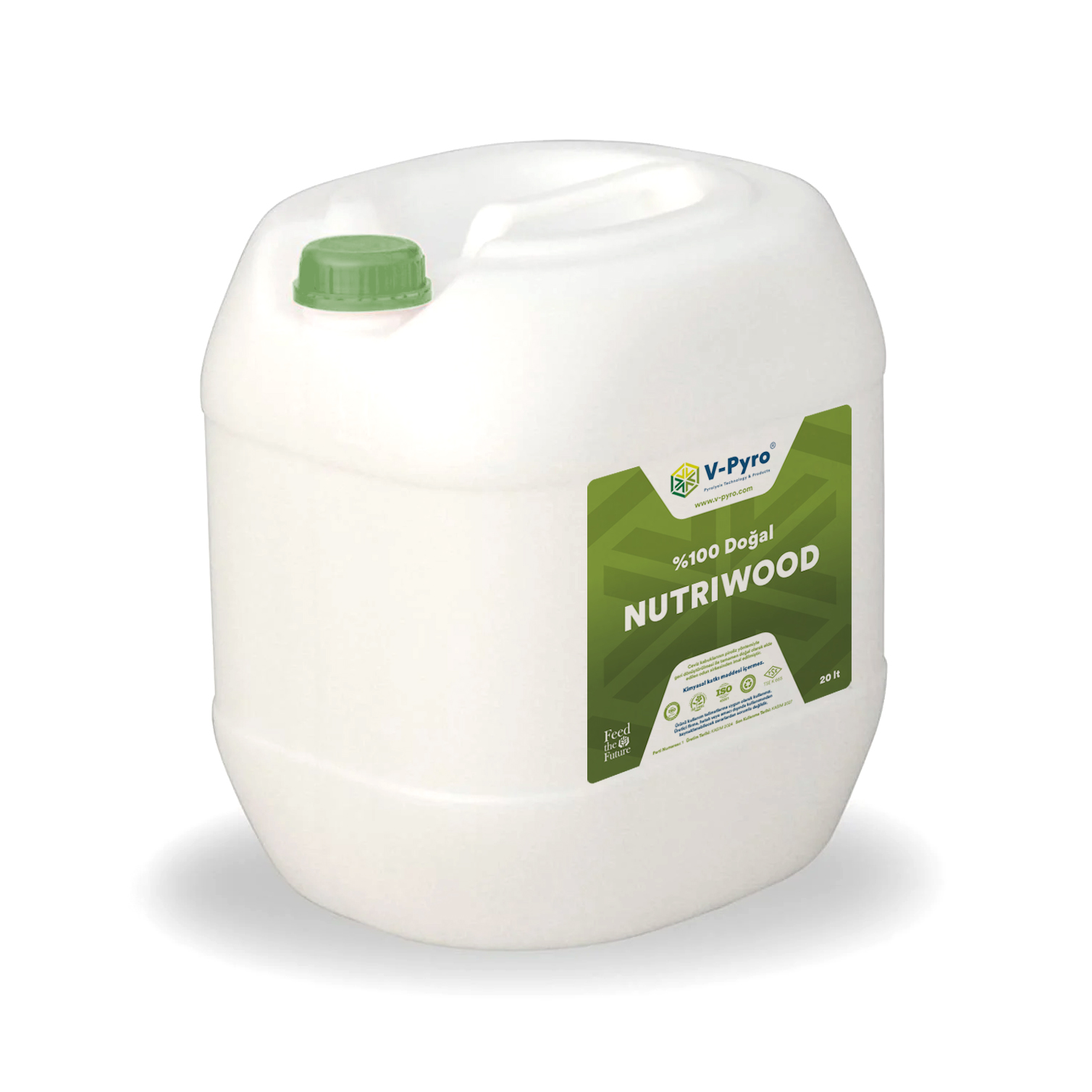
Pyroligneous Acid
Pyroligneous Acid (also known as Wood Vinegar, Liquid Smoke, or Smoke Water) is an excellent natural fertilizer for your garden. It is 100% natural; produced from biomass obtained from sustainable sources without adding any chemicals. This wood vinegar is a great biostimulant for plants; it promotes plant growth and enhances absorption through roots. Bulk wood vinegar supply is available. We proudly state that this product is produced from 100% natural, organic, and sustainably sourced local waste biomass.
-60.png)
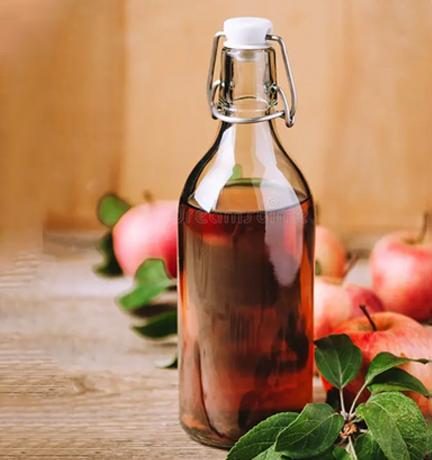
Parameters
Appearance:
Acidic liquid with yellow or light yellow color
Main components:
Contains various organic compounds such as acetic acid, phenols, and ketones
pH value:
Generally between 2-4, exact values depend on density and composition
Density:
Similar to water, typically between 1.0-1.1 g/cm³
Boiling point:
Relatively low, usually between 100–110℃
Flash point:
Relatively high, not easily flammable
Solubility:
Miscible with water in any ratio, slightly soluble in organic solvents
Applications:
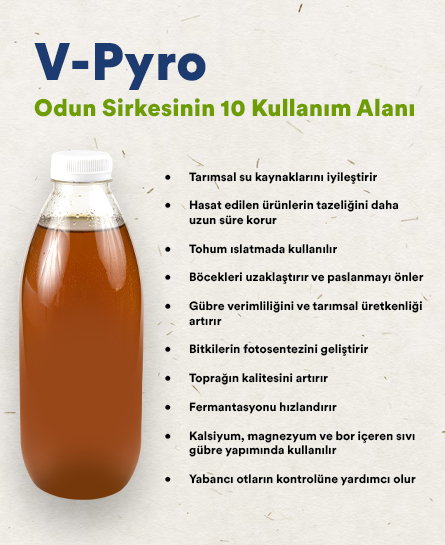
Wood vinegar has various functions such as antibacterial, antiseptic, and deodorizing properties. It is widely used in agriculture, animal husbandry, environmental protection, and other fields. For example, it is applied in soil improvement, promoting plant growth, as an animal feed additive, and in wastewater treatment.
Features of Wood Vinegar
Organic compounds and biological activity:
Wood vinegar contains various organic compounds, has high biological activity, and plays an important role in plant growth and human health.
Bacteria, microbes, and pest control:
Wood vinegar has sterilization and antibacterial properties; it has inhibitory and destructive effects on various microbes and viruses. It is also effective against bacteria and insects; it can prevent the proliferation of unwanted bacteria and the development of pests.
Environmentally friendly, usage areas, and production process:
Wood vinegar is natural and environmentally friendly; it is obtained through the pyrolysis (thermal decomposition) of wood and is an eco-friendly natural product. It has a wide range of applications in fields such as agriculture, horticulture, animal husbandry, as well as in food processing, health, and medicine. Additionally, the production process of wood vinegar is simple; liquid products can be obtained solely through the pyrolysis of wood. However, there are various methods available for the production of this product, including steam distillation, solvent extraction, and supercritical fluid extraction.

🌍 SUSTAINABILITY
During the production of this product, approximately 1.5 kg of CO₂ is removed from the atmosphere for every liter produced. It is an eco-friendly, carbon-negative process.
-50.png)
How Does the Organic Waste Recycling Chain Operate in Municipalities?
A
The waste collected by garbage collection teams is sorted and dried.
B
This waste is ground, and the recycling process begins in pyrolysis reactors.
C
As a result of pyrolysis, pyroligneous acid, wood tar, and biochar are obtained.
D
While wood tar is used for coating the inner surfaces of garbage containers, pyroligneous acid is used for disinfection purposes, eliminating the need for toxic chemicals.
E
Since the water used in this process contains no chemical toxins and is enriched with pyroligneous acid, it is extremely beneficial along with biochar for the municipality’s compost production.
F
The compost enriched with biochar and pyroligneous acid is used as a 100% natural and harmless fertilizer on plants cultivated and maintained by the municipality.
OUR CERTIFICATES
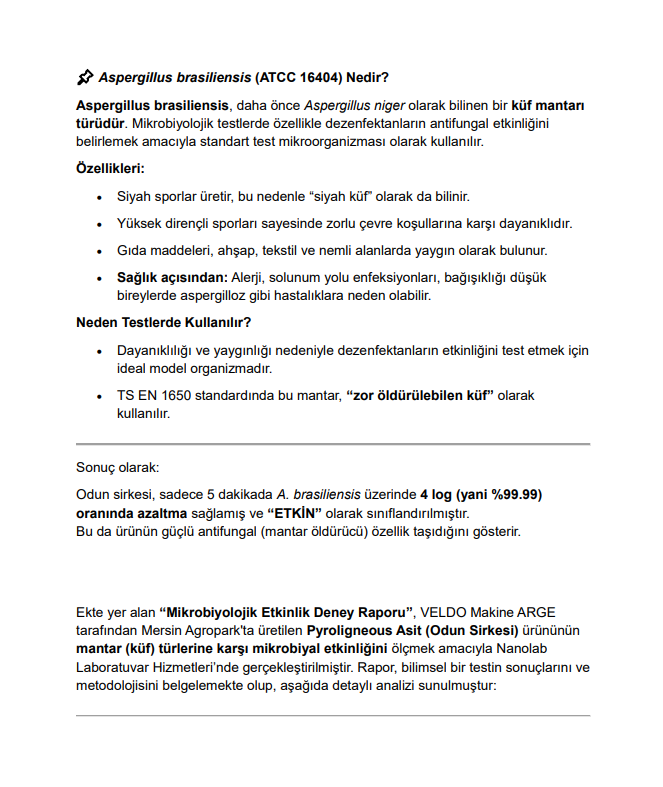
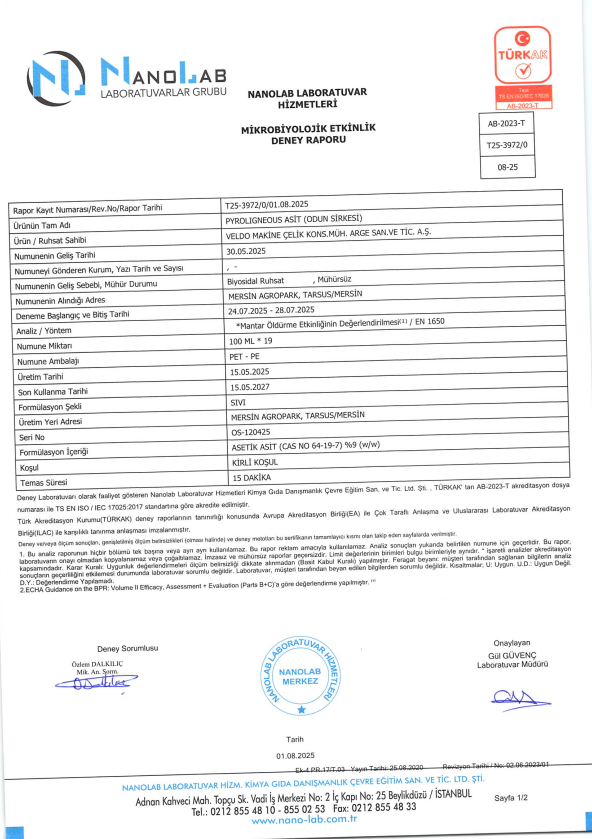
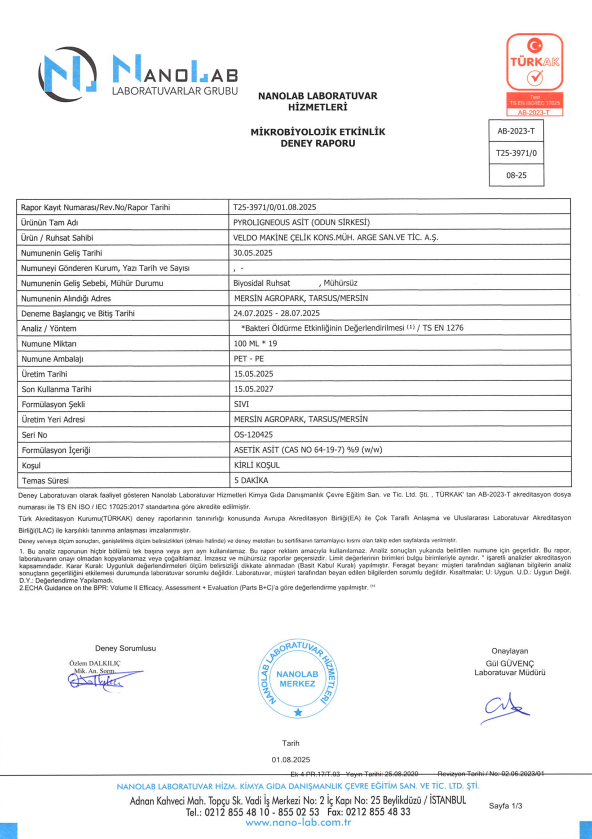
You can review our certificates below, which bring our quality, environmental, and production processes in line with international standards.