
Our Products
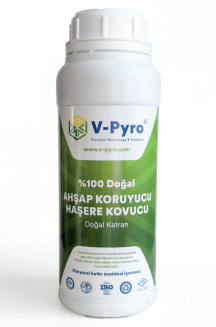
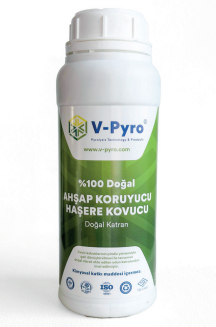
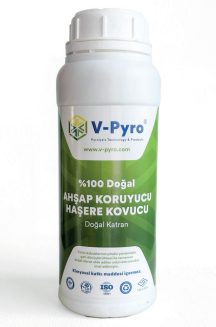
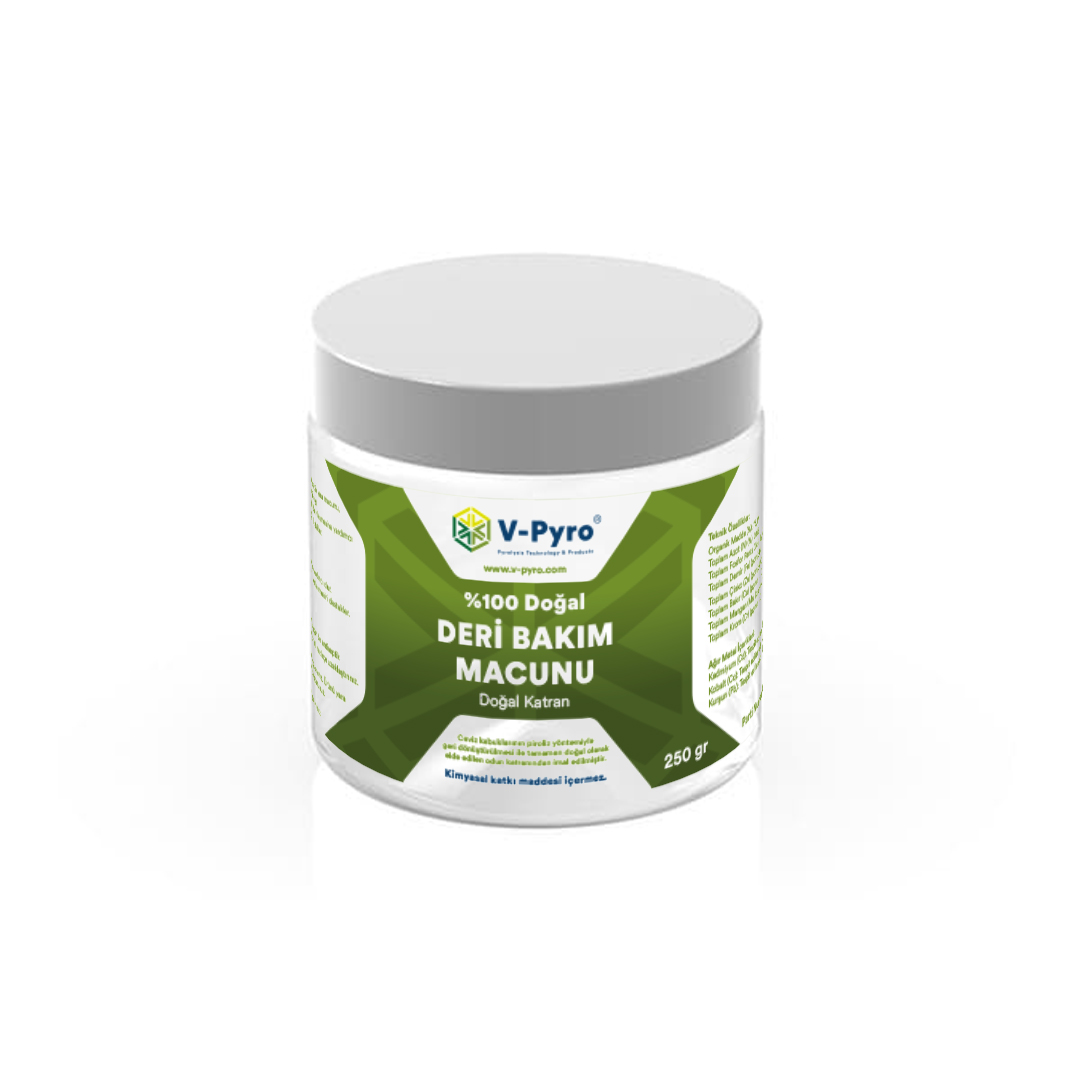
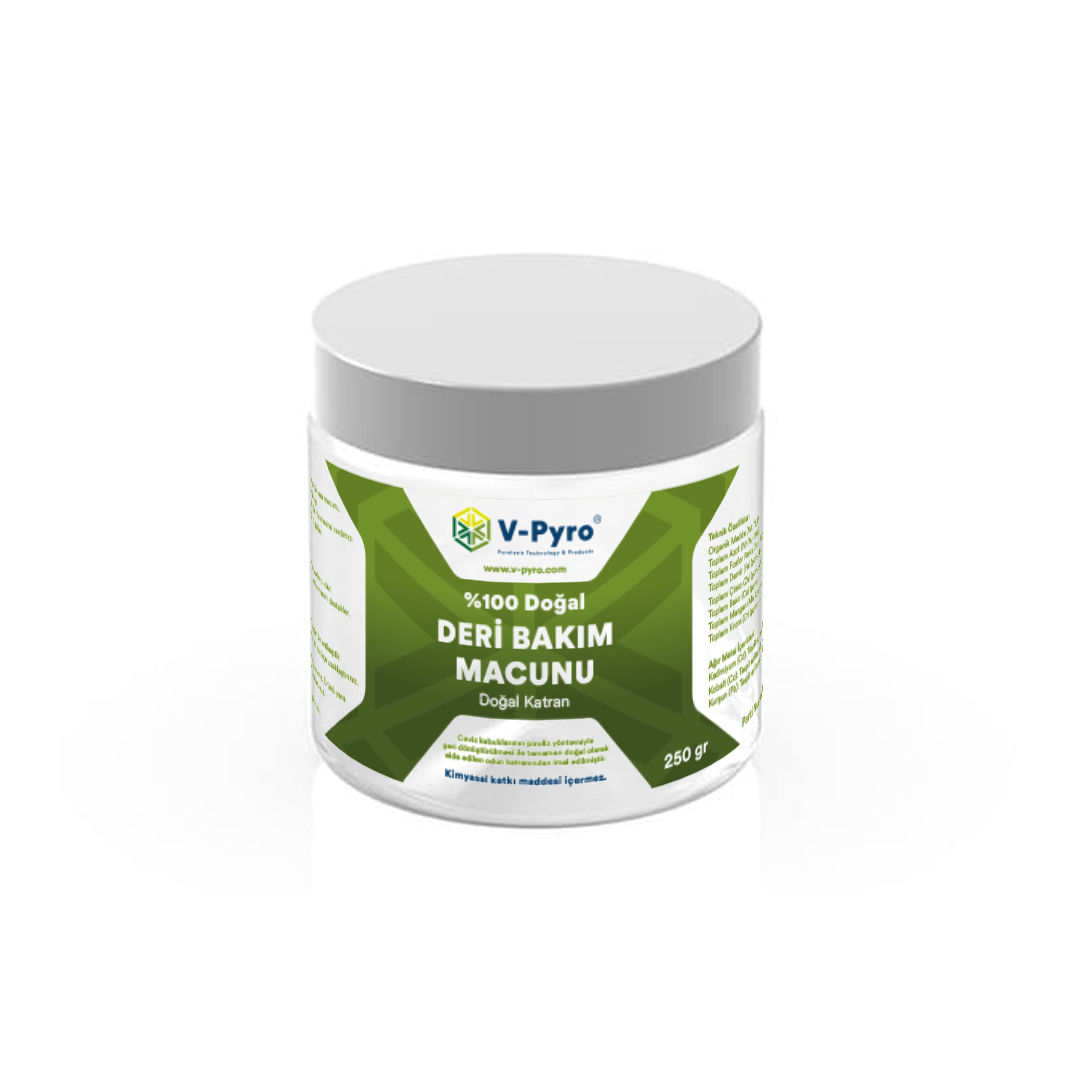
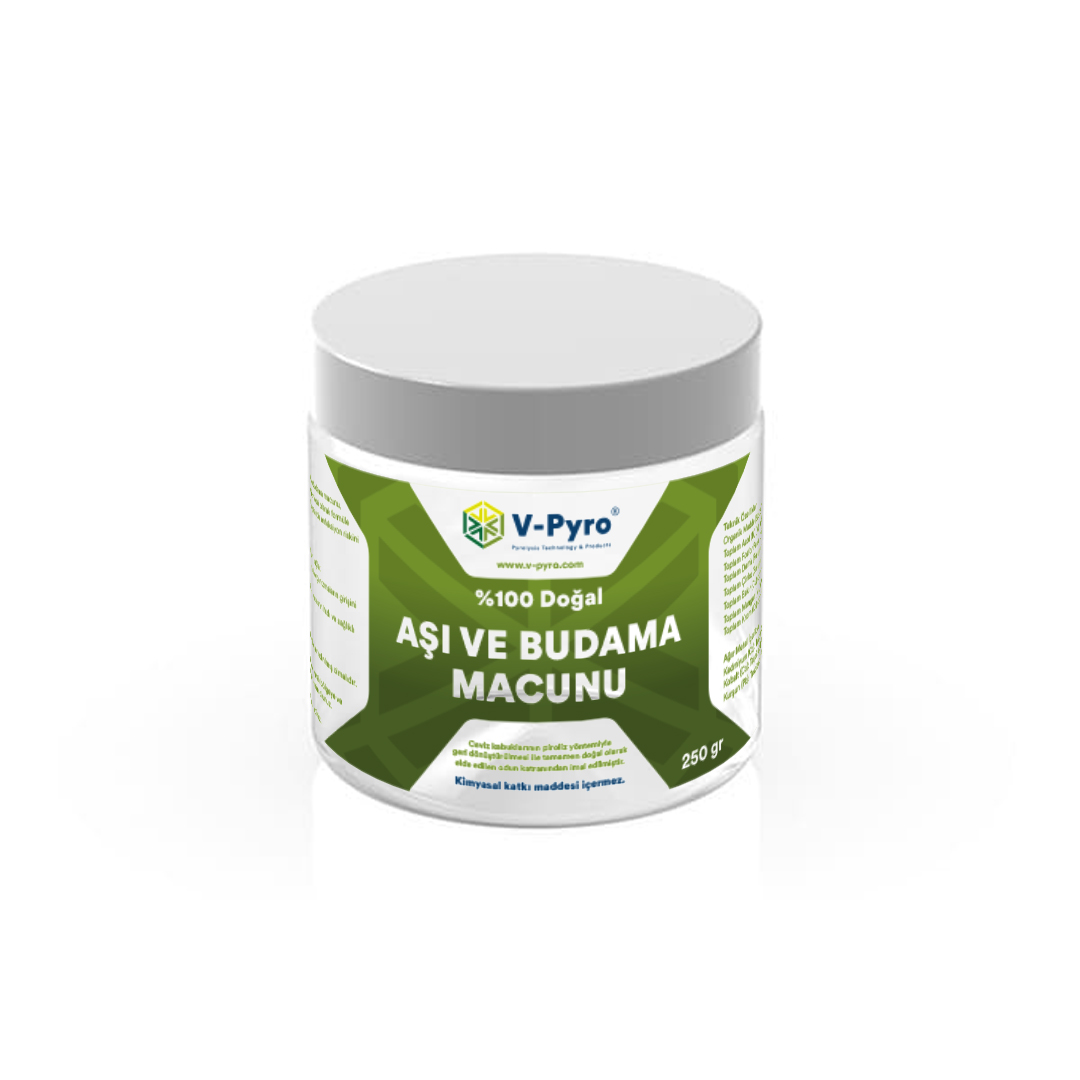
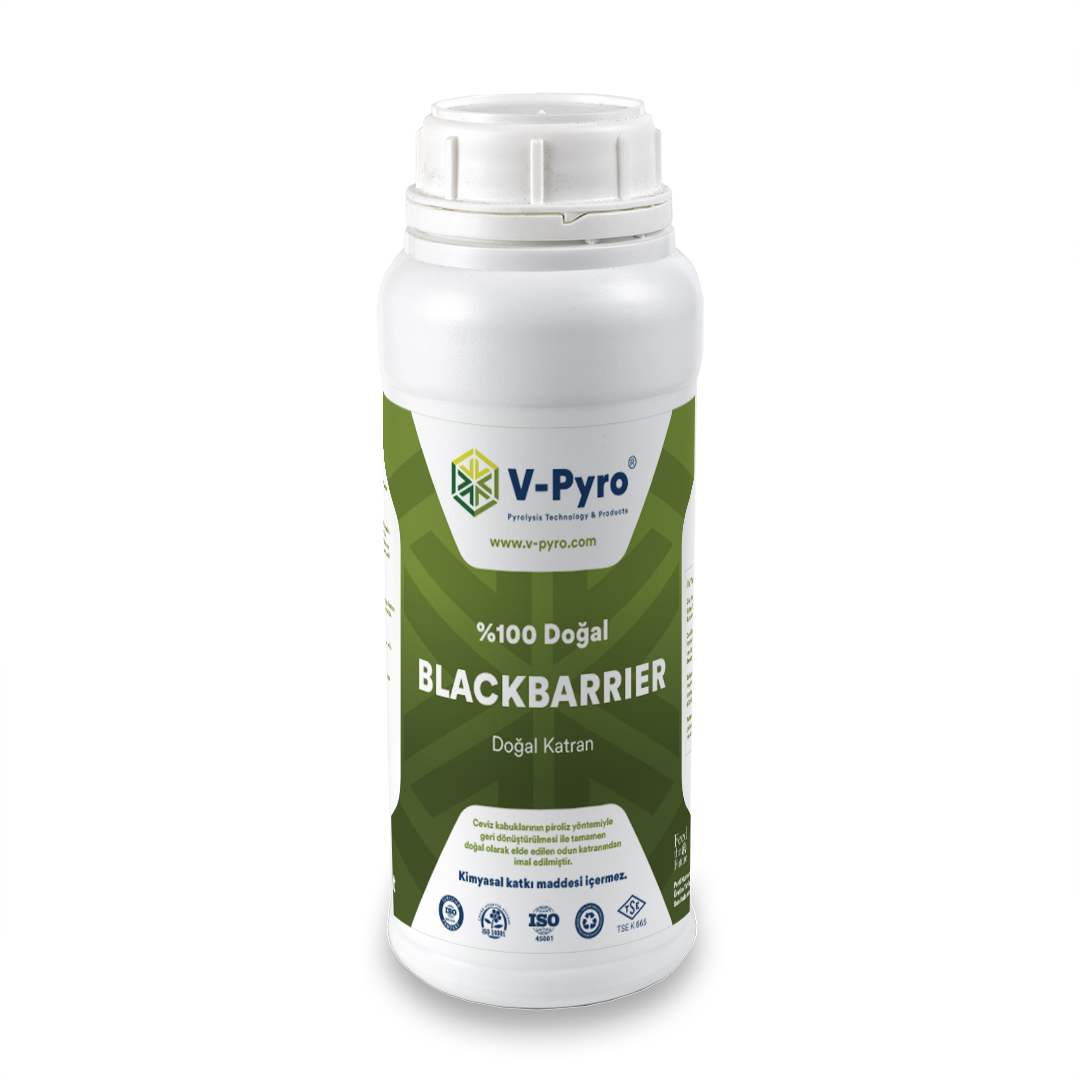
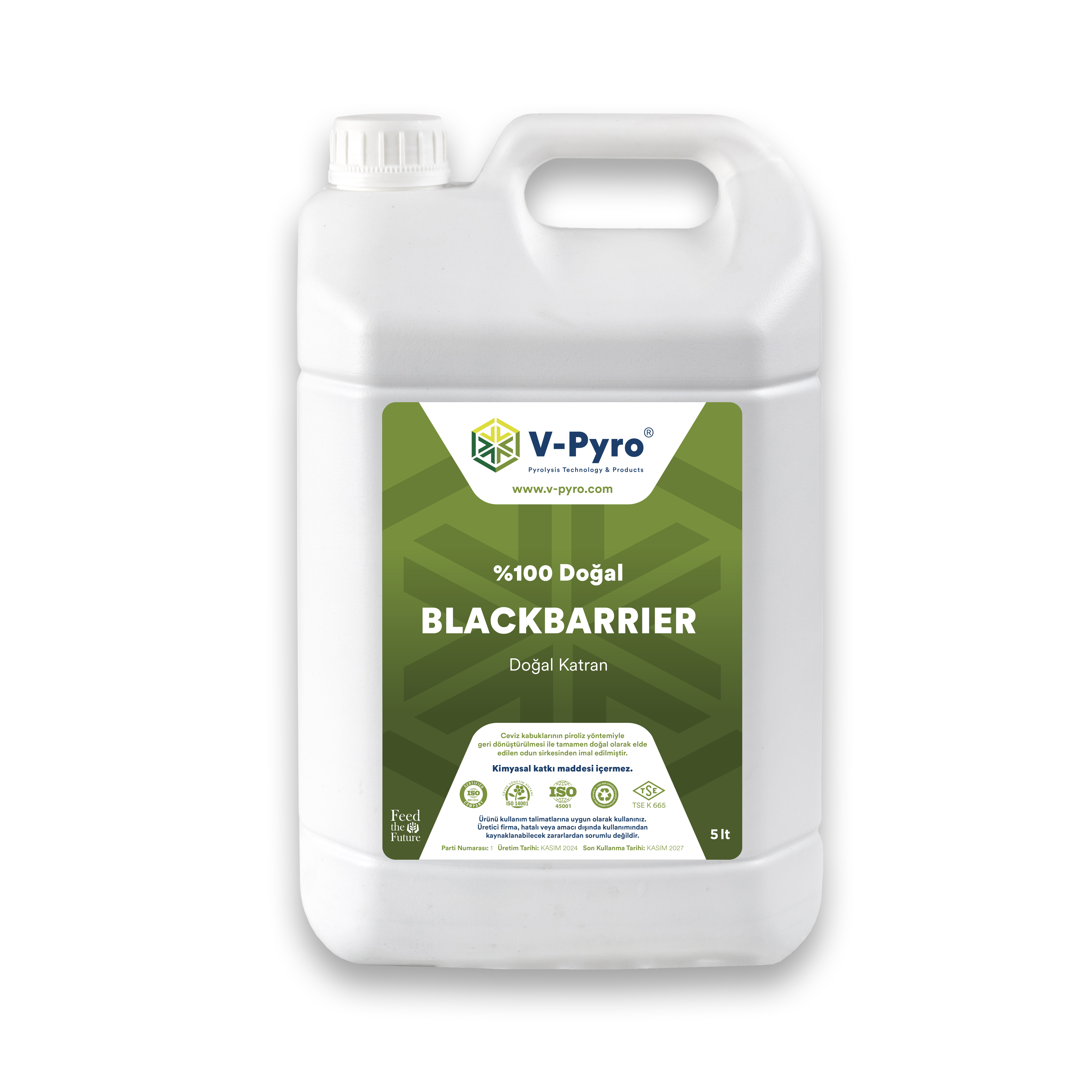
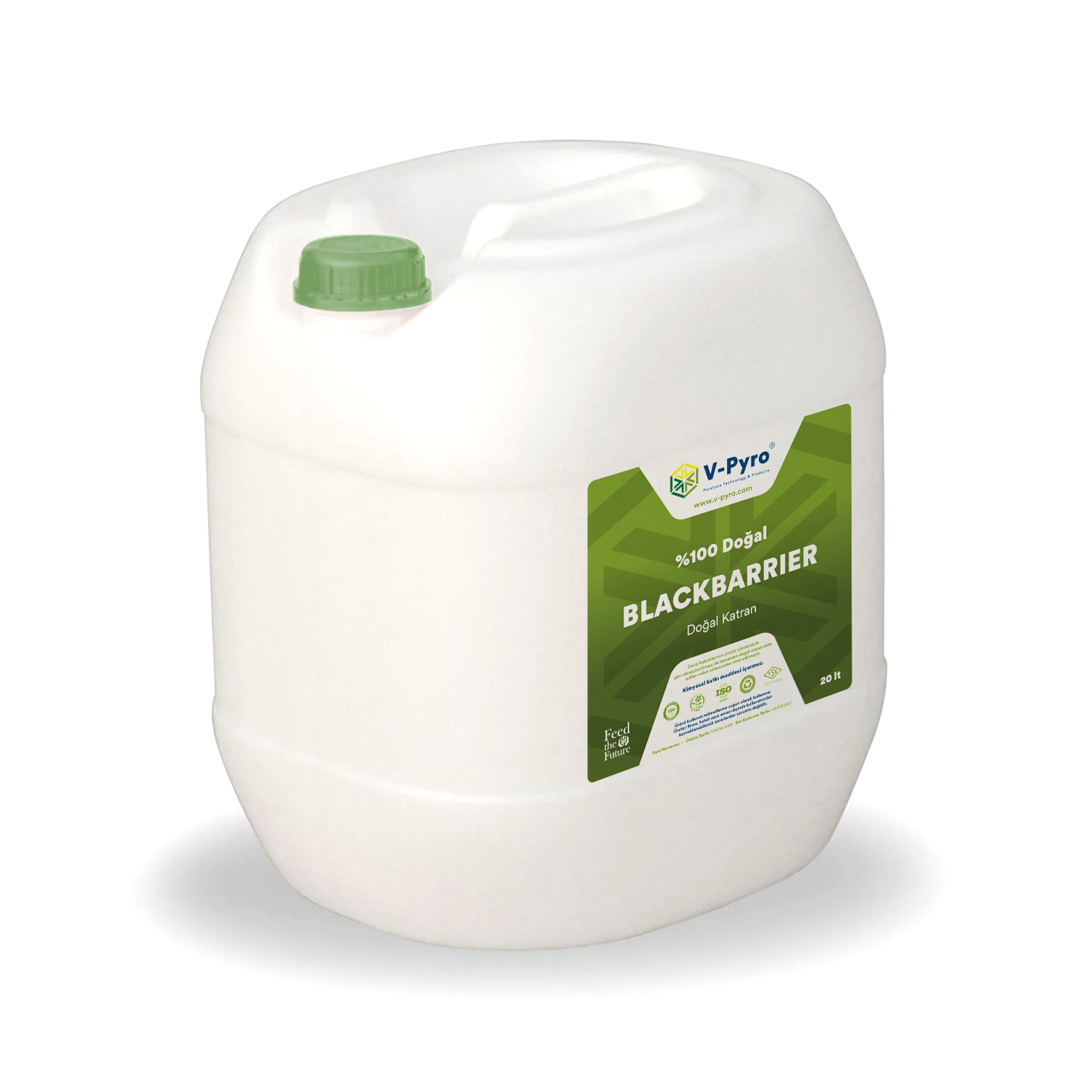
Wood Tar
Pyrolysis oil is a type of organic compound that contains a high amount of hydrocarbons, acids, and phenols. It is a black, viscous oil obtained by the dry distillation of hardwood. This is a complex mixture of organic compounds, primarily phenolic compounds, which can constitute 10% to 20% of the content.
Additionally, pyrolysis oil is widely used in medicine, synthetic rubber, and metallurgy. In medicine, it can be used in the production of antibiotics, painkillers, disinfectants, and other pharmaceuticals. In the field of synthetic rubber, it is used in the production of rubber fillers, additives, and other related products. In metallurgy, it is used for the extraction of metal elements. Appropriate precautions should be taken when using pyrolysis oil, including the use of personal protective equipment and adherence to safety measures.
Pyrolysis oil is a complex mixture obtained through wood distillation; it contains various phenols, alkyl phenols, alcohols, esters, and olefin compounds. It has resistance to acids, oxidation, pests, and corrosion, and can be used in applications such as coatings, paints, inks, building waterproofing materials, and preservatives. It is also utilized in the production of environmentally friendly materials like biofuels and biodegradable plastics. Safety precautions should be observed while handling pyrolysis oil, and contact with skin or inhalation of its vapors should be avoided.
Parameters
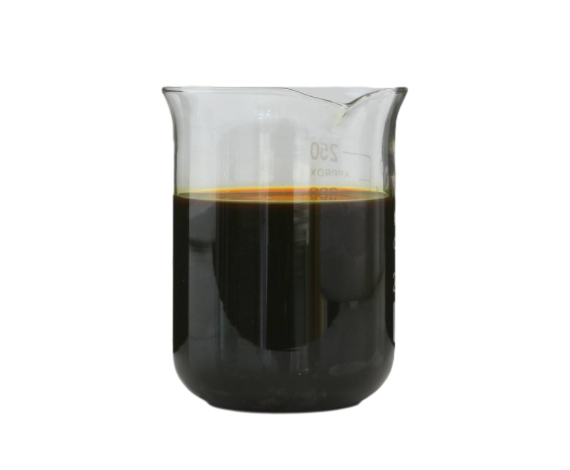
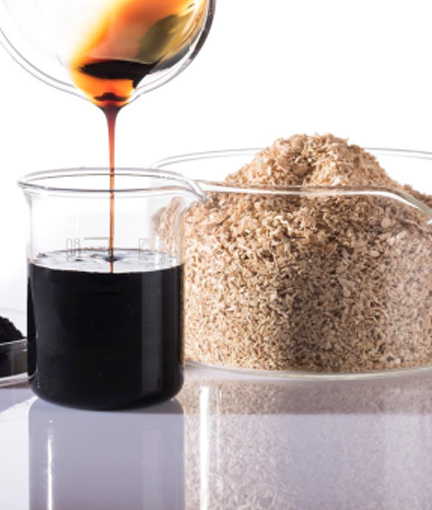
Appearance:
Dark brown to black viscous liquid or semi-solid
Main Components:
Phenolic compounds such as guaiacol, cresol, xylenol, phenol, o-ethylphenol, turpentine, resin, hydrocarbons, acids, and other organic compounds
Relative Density:
Approximately 1.15–1.30 relative to water; exact values may vary depending on composition and temperature.
Boiling Point Range:
Has a wide range, generally between 200–400℃, depending on its composition.
Solubility:
Insoluble in water, but readily soluble in organic solvents such as ethanol, ether, chloroform, glacial acetic acid, fixed oils, volatile oils, and sodium hydroxide solutions.
Flash Point:
Generally high; exact values depend on composition and density.
Applications:
Wood tar is an important chemical raw material used in the production of substances such as rubber softeners, wood preservatives, and medical antiseptics. It is also widely used in mineral flotation, paints, plastics, and other manufacturing industries.
OUR CERTIFICATES
You can review our certificates below, which bring our quality, environmental, and production processes in line with international standards.