
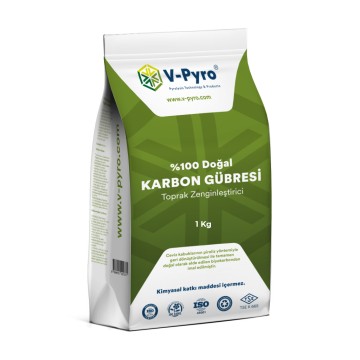
What is Biochar?
A plant-based soil amendment made from sustainably sourced wood waste.

USES LESS WATER
Retains moisture and helps plants withstand dry periods.

ENHANCED NUTRIENT RETENTION
Absorbs nutrients and slowly releases them as needed by plants.

BOOSTS MICROBIAL ACTIVITY
Provides a natural habitat for microbes to convert organic matter into nutrients.

IMPROVES SOIL STRUCTURE
Enhances aeration and drainage, encouraging deeper and stronger root growth.
Fossil fuels worsen global warming by releasing more carbon dioxide (CO₂) and other greenhouse gases into the atmosphere. These fuels are carbon positive; they return carbon that was trapped in the earth for thousands of years back into the atmosphere. As plants grow, they absorb carbon from the atmosphere through a process called photosynthesis. However, at the end of their life cycle, this organic carbon is usually broken down by soil microbes and released back into the atmosphere.
How Does Biochar Mitigate Climate Change?
When biochar is produced, the carbon is transformed into a more stable and inorganic form, which cannot be easily broken down by bacteria and fungi. This means the carbon captured during biochar production is prevented from returning to the atmosphere and can remain stable in the soil for hundreds or even thousands of years.
According to a prominent study, widespread and sustainable application of biochar could offset up to 12% of annual anthropogenic greenhouse gas emissions. This is a significant contribution! For more information on climate change and biochar, check out this link.
Therefore, biochar production is a carbon-negative technology that helps fight climate change by capturing carbon from the atmosphere and storing it in the soil. It also offers an opportunity to contribute individually to climate action and support the transition toward a more sustainable economy.
The carbon sequestration effect of this product has been verified according to international standards. Carbon credits are separate from the physical product.
Biochar
Recommended Application Methods
| Plant Type | Field Crops (Corn, Wheat, Cotton, etc.) | Vegetables (Tomato, Pepper, Cucumber, etc.) | Fruit Trees (Apple, Peach, Citrus, etc.) | Vine Plants (Grapes, Kiwi, etc.) | Ornamental Plants and Flowers |
|---|---|---|---|---|---|
| Biochar Amount per Decare (kg/da) | 200–300 | 250–350 | 300–500 | 250–400 | 150–250 |
| Application Depth (cm) | 10–15 | 10–20 | 20–30 | 15–25 | 5–15 |
| Application Timing | During soil preparation before planting | Before seedling transplantation | Before planting and early spring | Before planting and early spring | Before planting or repotting |
| Reapplication Interval | Every 3–5 years | Every 2–3 years | Every 4–6 years | Every 3–5 years | Every 2–3 years |
General Features and Advantages:
- Water Retention Capacity: Increases the soil's ability to retain moisture.
- Nutrient Retention: Enhances fertilizer efficiency and improves plant nutrition.
- Microbial Activity: Boosts soil microorganism diversity and activity.
- pH Regulation: Balances soil pH to create a suitable environment for plant growth.
- Carbon Sequestration: Improves environmental sustainability by storing carbon in the soil over the long term.